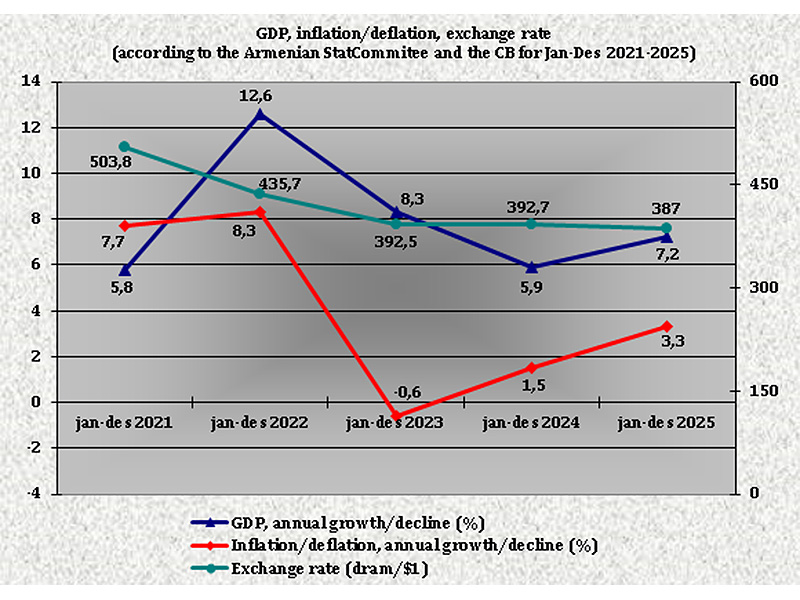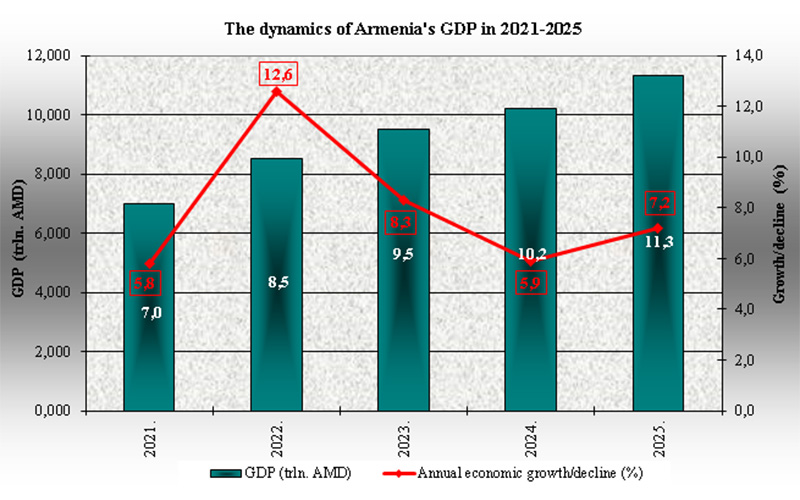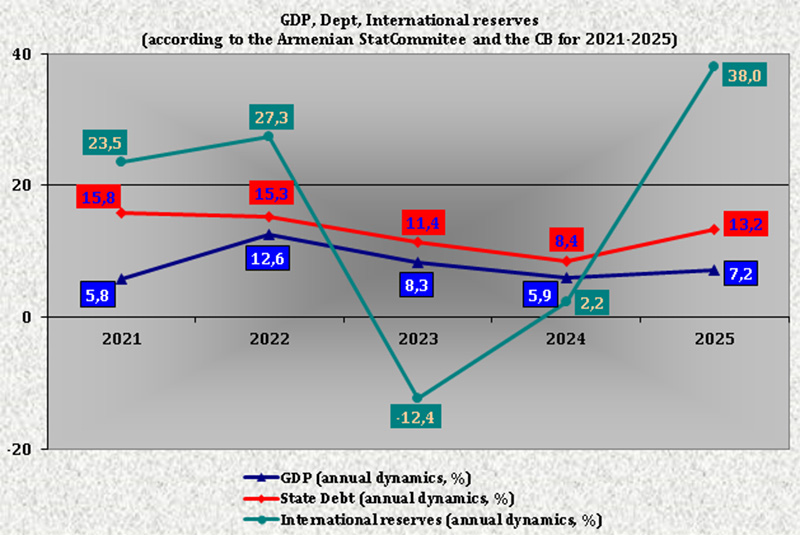


ArmInfo. With a significantly stronger -than-expected Q2 indicator and continued observed activity in Q3, economic growth in Armenia this year will exceed EDB's baseline forecast.
This is stated in the regular Macroeconomic Outlook of the analytical group of the Center for Country Analysis of the Directorate for Analytical Work of the Eurasian Development Bank (EDB). It should be noted that in May, the Bank forecasted for Armenia a slowdown in GDP growth to 1% in 2022, with an acceleration to 3.5% in 2023. According to the document, the Armenian economy is supported by the service, trade, construction and, to a lesser extent, industry sectors. The growth of the trade and services sectors is explained by the active tourist season and the expansion of demand from Russian citizens. This can be seen in the consumer and financial sectors. The industry was supported by the manufacturing, and construction volumes increased against the background of strengthening lending to the industry and a steady increase in mortgage lending.
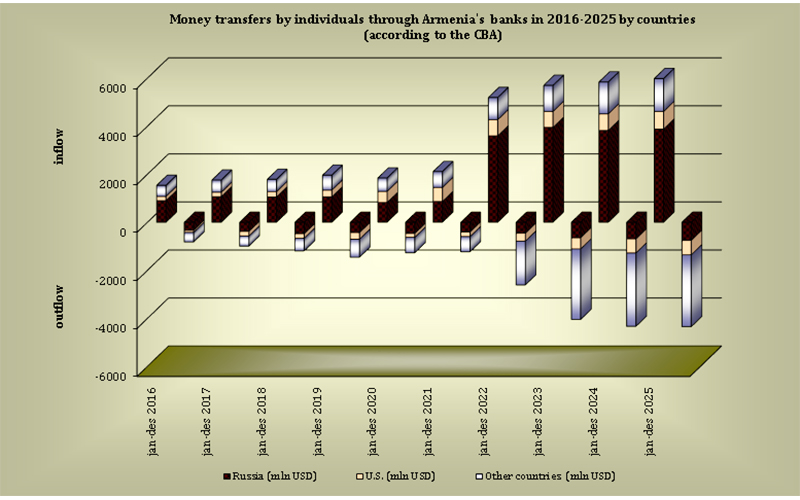
According to analysts, the expansion of financial and insurance activities, information and communications, transport, accommodation and catering is associated with increased demand against the backdrop of an increase in the number of non-residents, an influx of international capital and labor resources, as well as support for domestic demand by remittances. It is expected that the impact of these factors on demand will continue during the third quarter of this year.
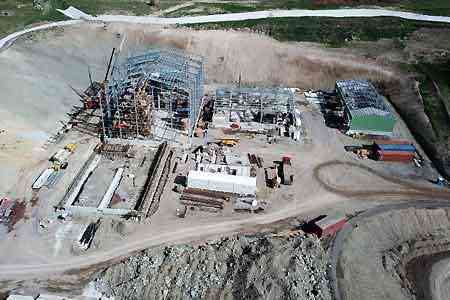
Growth in the manufacturing industry is explained both by the expansion of domestic demand and supplies abroad. The negative dynamics of the mining industry continues. In January-May, the decline was 12.1% y / y against the backdrop of the suspension of works at the Teghut mine.
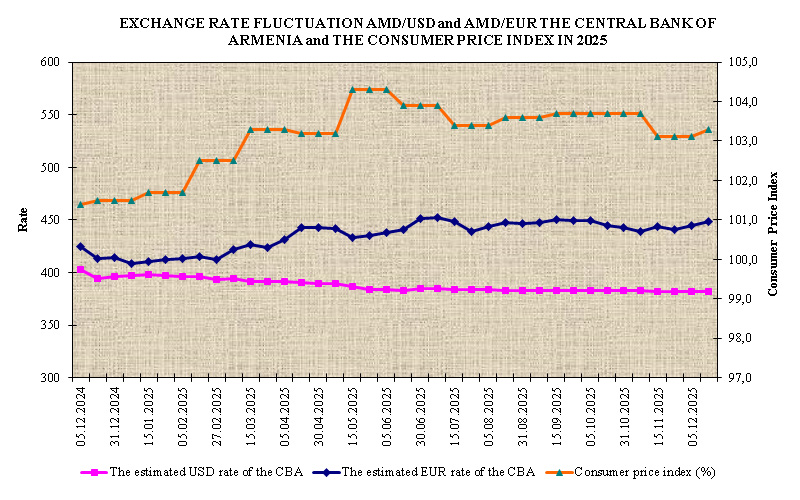
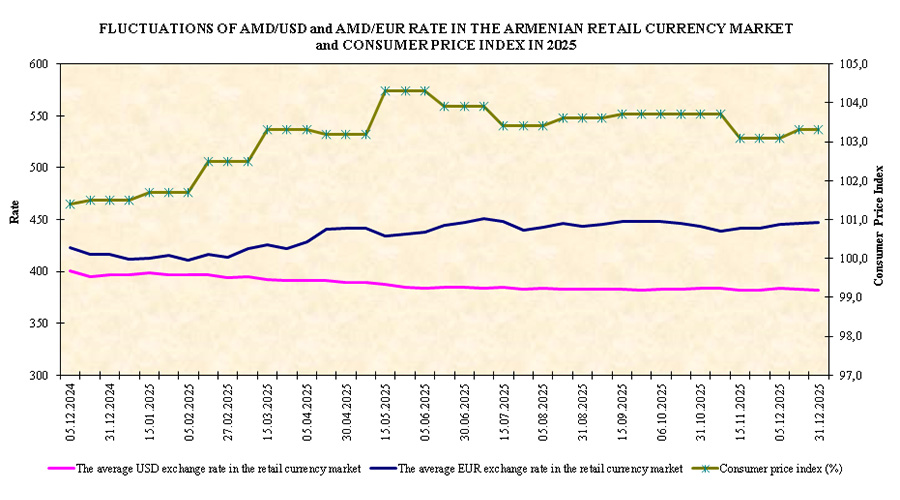
Meanwhile, the steady dynamics of the construction sector continue to support Armenia's economy. The volume of construction works increased by 18.1% y/y in May (by 11.4% y/y in January-May). The acceleration was facilitated by construction financed by organizations. Works are concentrated in real estate-related sectors amid strong growth in mortgages and construction loans (up 32% y/y and 20% y/y, respectively, as of May). The trend of revaluation of the Armenian dram against the dollar and the euro continued in May-June. At the end of June, the dram appreciated against the dollar and against the euro by 17.9% y/y and 28.2% y/y, respectively, and devalued against the Russian ruble by 14.3% y/y. The revaluation of the dram was facilitated by both an increase in supply and a decrease in demand for foreign currency in the foreign exchange market, as well as an increase in demand for the Armenian dram. This was influenced by the increasing importance of the ruble in trade transactions with Russia and the large number of foreign tourists who formed the demand for the national currency.
The influx of remittances, in turn, further expanded consumer demand and hence demand for the Armenian dram. The revaluation of the dram against the backdrop of a significant inflow of foreign currency may have a negative impact on the income of exporters in the short term, reduce price competitiveness, and limit the growth of exports.
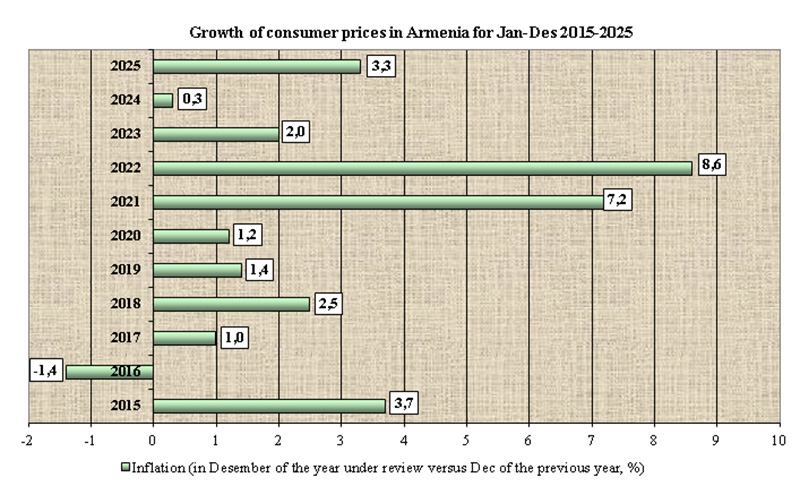
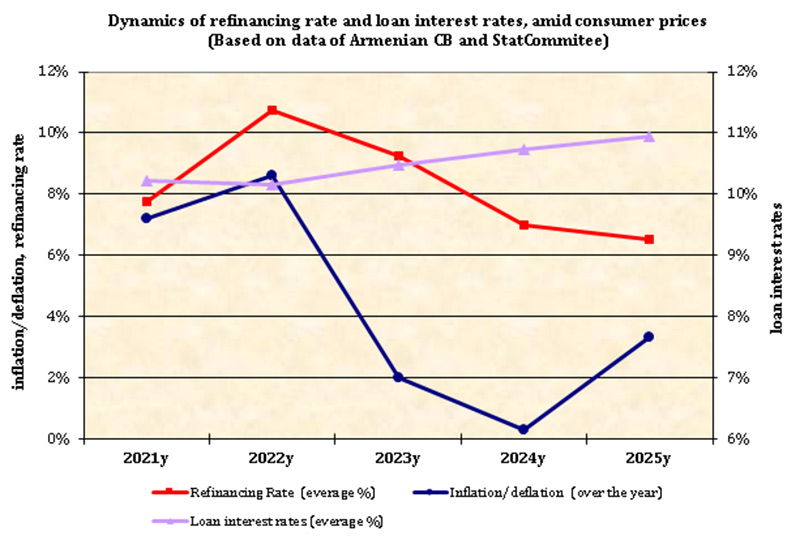
Inflation in Armenia in June accelerated to 10.3% y/y after 9.0% a month earlier. The dynamics of consumer prices in June was determined by the rise in prices for foodstuffs (mainly grain products and vegetables), services (transport and recreation) and non-food products (fuel and lubricants).
The increase in the cost of services in May-June is mainly due to an increase in demand from non-residents and the associated increase in exports of services. The revaluation of the dram in May-June of the current year became a restraining factor for the growth of prices for imported goods.
The Central Bank of the Republic of Armenia kept the refinancing rate at 9.25% at its June 15 meeting. The revaluation of the dram against the backdrop of a significant increase in exports of services and the inflow of financial resources is holding back inflation, allowing the regulator not to change the rate level.
At the same time, external pressure on prices is maintained, an additional pro-inflationary effect is exerted by the expansion of consumer demand from non-residents.