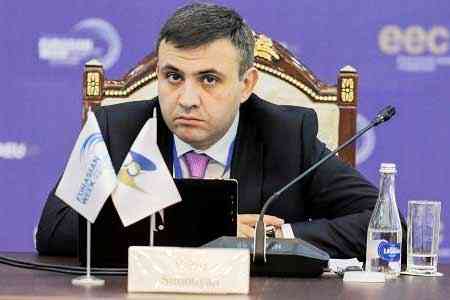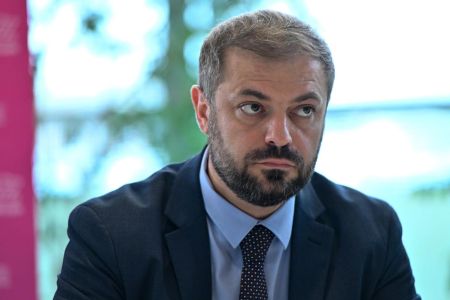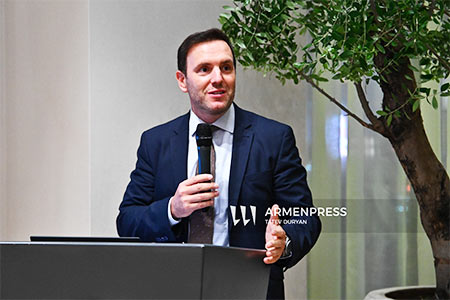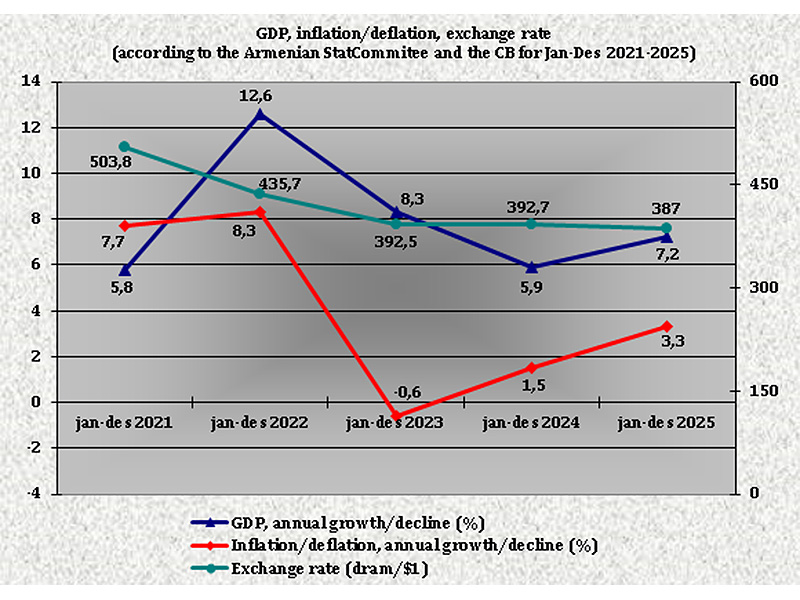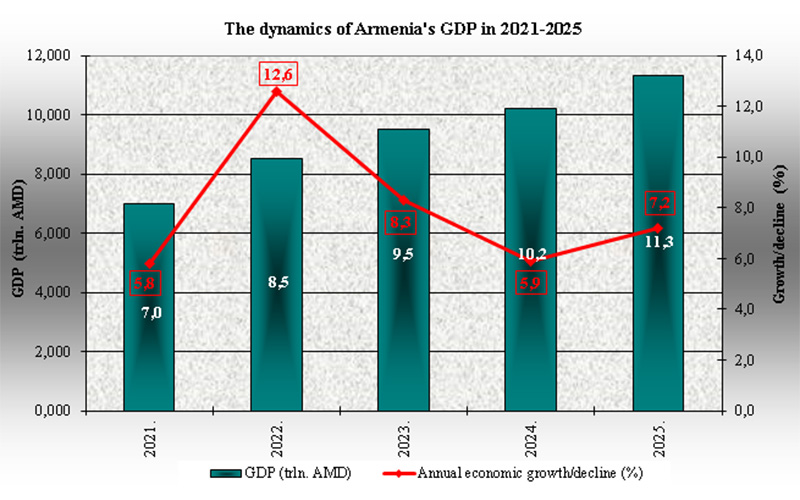


ArmInfo.The draft state budget of Armenia for 2023 provides for economic growth by 7%. This was stated on October 31 by Chairman of the Central Bank of the Republic of Armenia Martin Galstyan at parliamentary hearings during the presentation of the draft state budget of Armenia for 2023.
In this vein, he emphasized that the draft budget mainly provides for a slower growth in the tax/GDP ratio, an acceleration in the growth rate of capital expenditures and a reduction in the growth rate of public debt. As a result, the impact of the budget on gross demand will be neutral.
Economic growth for 2023, he said, will be based on a significant increase in key investment, including government investment, to boost productivity and stimulate competition and lay a solid foundation for export growth. As Martin Galstyan noted, ensuring economic growth will significantly depend on the timely implementation of large state investments in infrastructure and measures to stimulate exports and investments. Galstyan stressed that within the framework of the indicated growth and improvement of tax policy, the share of taxes in GDP will increase by 0.5% in 2023, amounting to 23.7%. In addition, it is planned to increase the share of capital expenditures in GDP, bringing it to the level of 5.9%, while reducing the share of current expenditures in GDP to 21.9%.
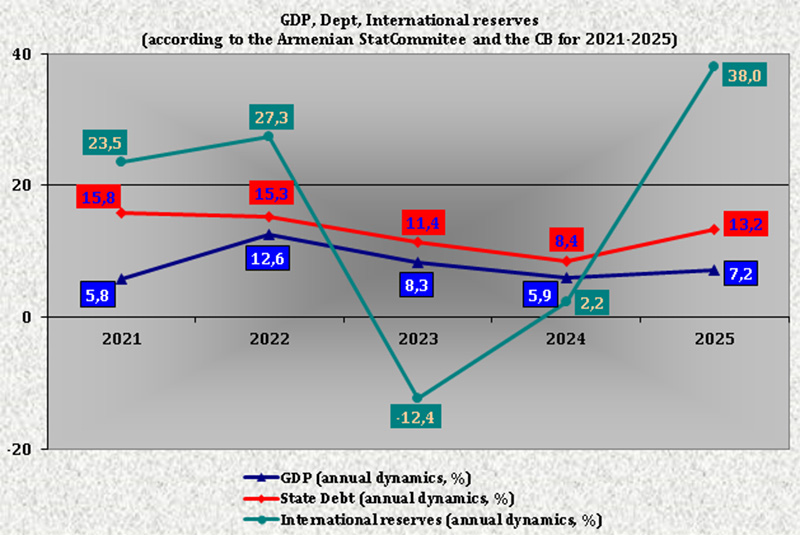
Due to the increase in capital expenditures, the state budget deficit will amount to 3.1%, the fiscal policy will be neutral, helping to reduce the debt burden by 1.1 percentage points up to 49.7%. At the same time, the head of the Central Bank noted that the full implementation of the state budget program for 2023 will also largely depend on the ability to transform high economic activity in 2022 into commensurate stable long-term economic growth. He stressed that in order to solve the prevailing demand for macroeconomic stability a contractionary fiscal policy would need to be implemented in 2023. At the same time, according to Galstyan, it should be noted that the full implementation of reforms and measures to improve budget expenditures, increase the share of capital expenditures and improve tax collection will create the necessary foundations for increasing the potential for GDP growth and ensuring its stable increase in the long term.