

ArmInfo. The Eurasian Development Bank (EDB) has released the latest Macroeconomic Review for its six member states. This regular publication provides a roundup of the macroeconomic situation and projects near-term developments in the member countries. The review also contains detailed statistics on key macroeconomic indicators.
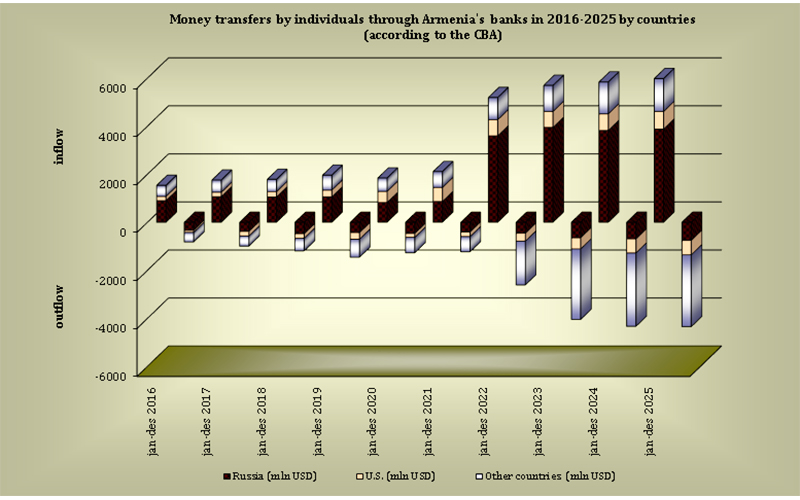
At the same time, construction growth (+17.3% y/y in January - August) remains stable against the backdrop of a high level of mortgage lending. The Armenian economy continues to be supported by significant volumes of cash receipts - the influx of cross-border transfers from individuals in January - August of this year increased by 31.3% year-on-year and amounted to $3.8bln.
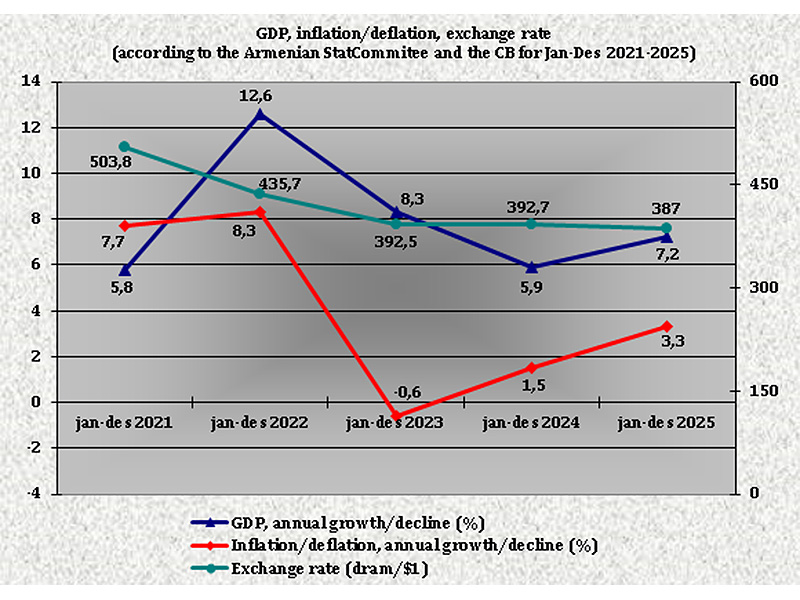
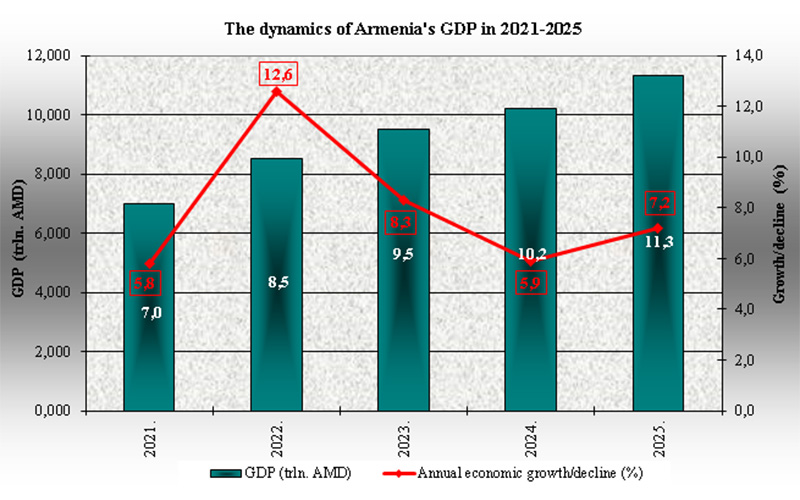
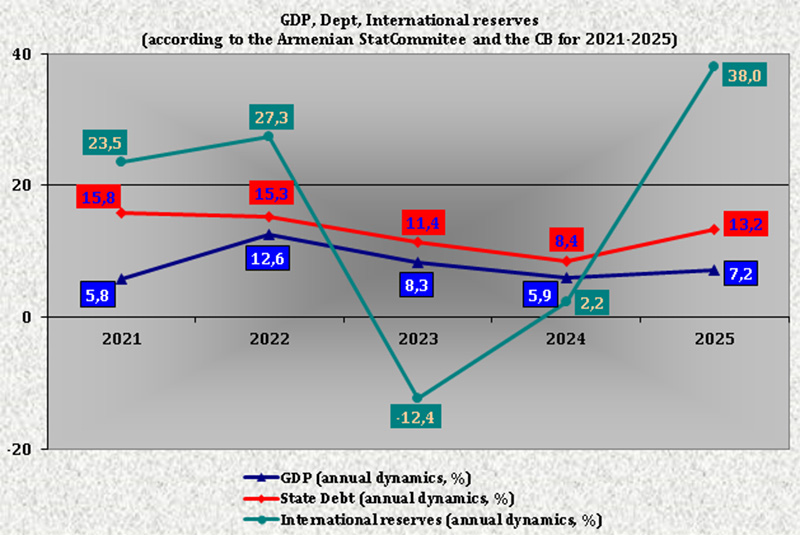
Economic activity in Armenia is weakening after last year's surge, but remains strong. It is noted that the main role in the increase in economic activity in Armenia in January - August by 10.4% y/y. played by the services sector against the backdrop of expanding output by the information technology, air transport and public catering industries. Meanwhile, declines in banking and manufacturing persisted following last year's strong gains in those sectors.
Bank analysts believe that the growth rate of the Armenian economy will remain high until the end of the year. There is also a possibility of a higher level of GDP than previously expected due to an increase in consumer demand in the context of the resettlement of the population of Karabakh to Armenia.
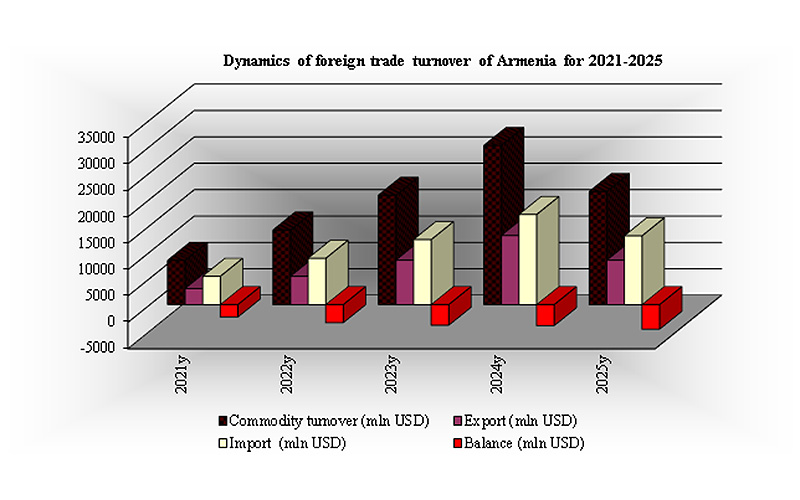
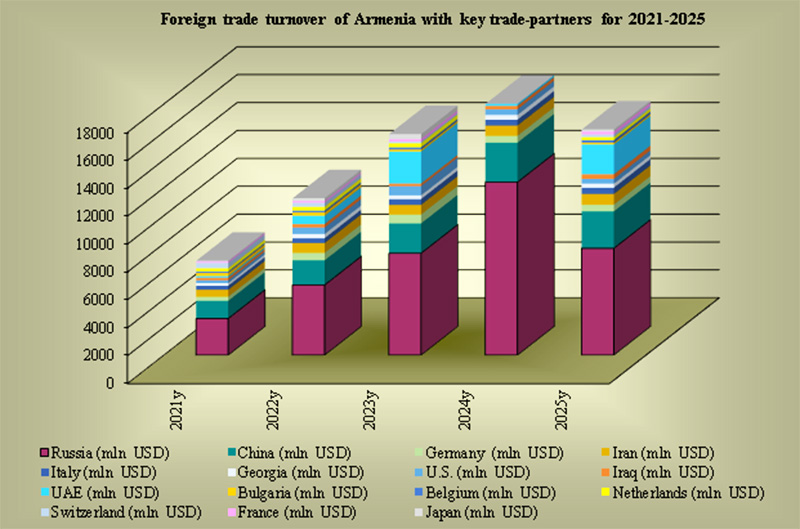
The foreign trade deficit expanded to $3 billion in January - August of this year (1.9bln in the same period last year). In January - August 2023, export supplies increased by 51.8% y/y. In the dynamics of goods exports, the main role is played by machinery and equipment, vehicles, precious stones and metals. Import volumes in January - August increased (+53.8% y/y) for all product groups. The faster growth rates of imports compared to exports are associated with the continued high level of domestic consumption and investment, as well as with the increase in the purchasing power of the Armenian dram compared to the currencies of the main trading partners.
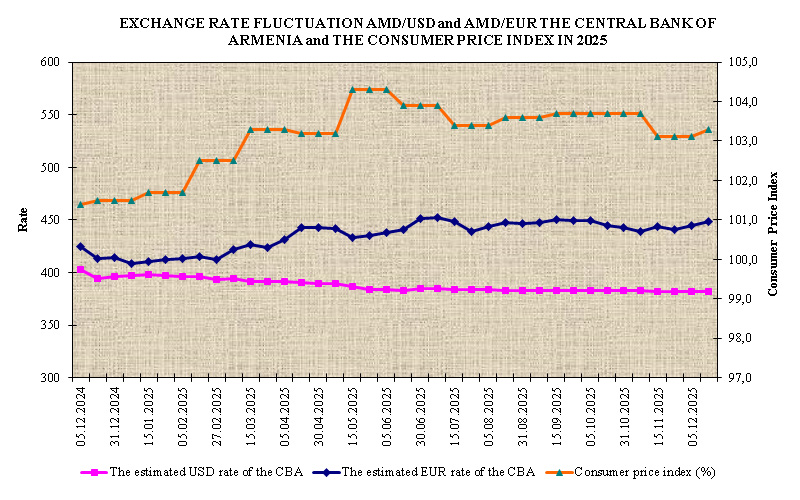
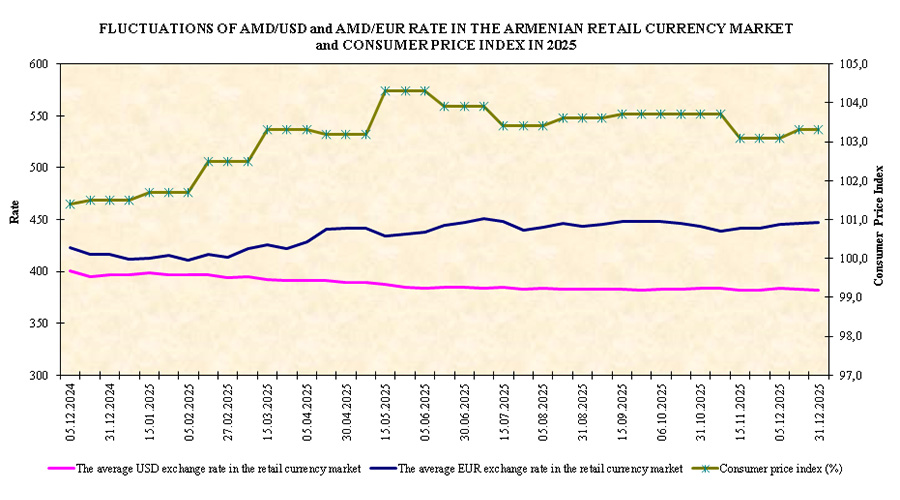
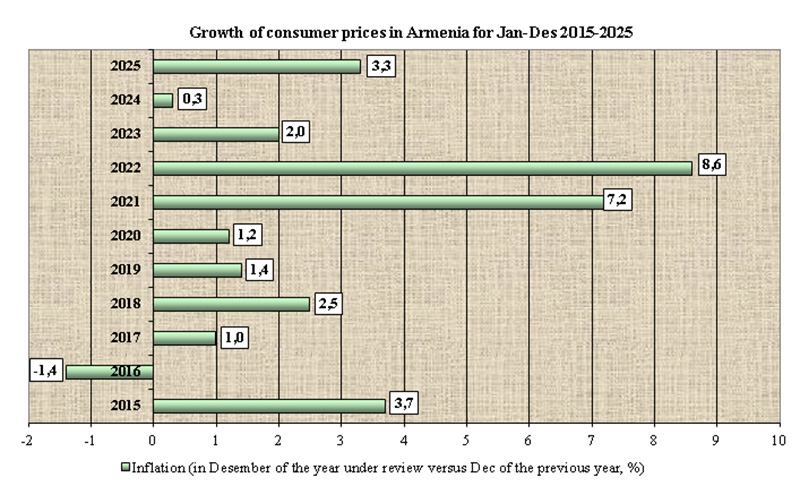
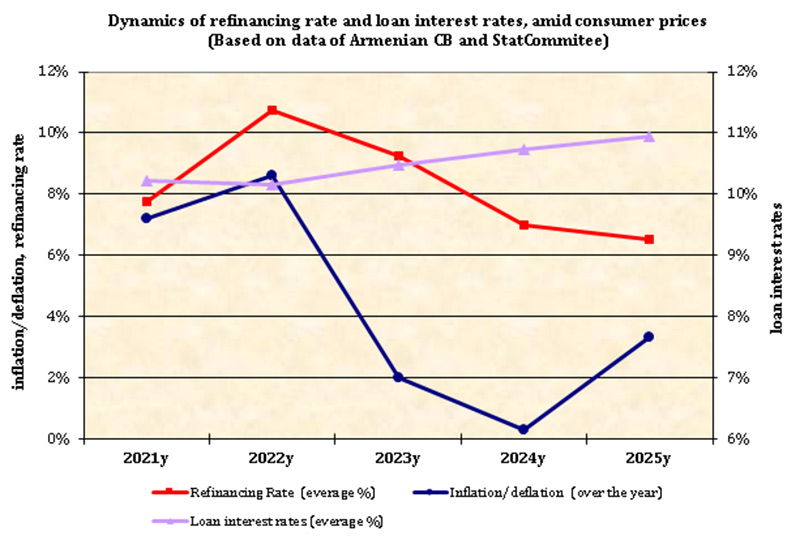
Price growth in Armenia amounted to 0.1% y/y in September after declining by 0.2% y/y a month earlier. A slight acceleration in inflation is due to the fact that the decline in prices in the food segment slowed down (minus 3.1% y/y in September after minus 4.0% a month earlier) and prices for imported fuel (minus 2.4% y/y after minus 4.2% y/y a month earlier). Service cost growth continued to slow. The key factors limiting inflation in September were the strengthening of the Armenian dram and the weakening of external price pressure. Tight monetary conditions also contributed to the decline in inflation. By the end of this year, inflation will accelerate, but will remain below the target range (4+1.5%) of the Central Bank of the Republic of Armenia.
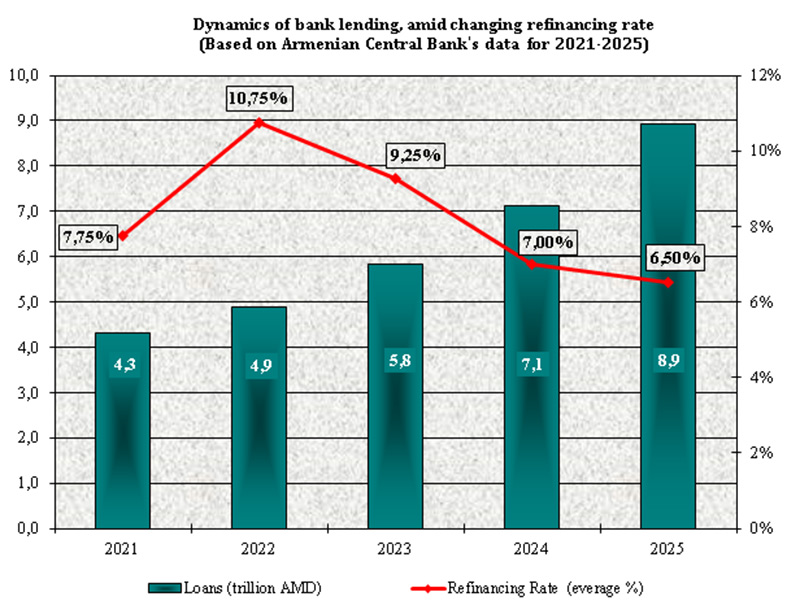
At the same time, the risks of a more significant acceleration in price growth increased due to a surge in consumer demand and the weakening of the dram in late September - early October. At a meeting on September 12, the Central Bank of Armenia decided to reduce the refinancing rate for the third time in a row - by 0.5 percentage points. up to 9.5%. Easing monetary conditions will help accelerate price growth by the end of 2023 - early 2024. At the same time, pro-inflationary risks that arose in late September - early October of this year will limit the regulator's ability to further ease monetary policy.