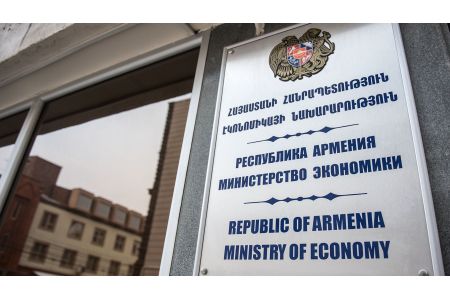


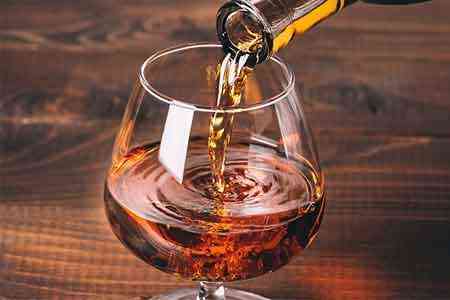
ArmInfo. The Armenian Ministry of Economy has not received any notification from its Russian colleagues regarding the poor quality of Armenian cognac or any complaints from cognac producers about facing difficulties in exporting products to the Russian Federation.
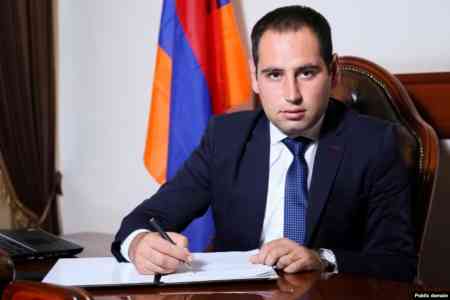
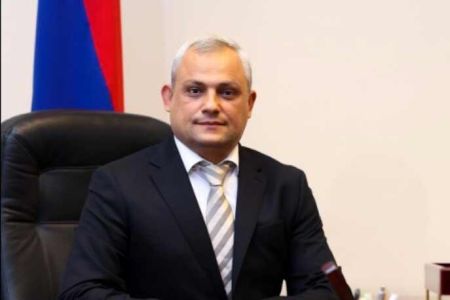
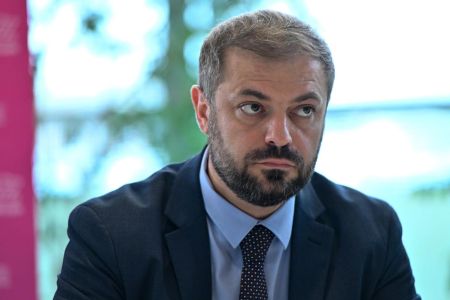
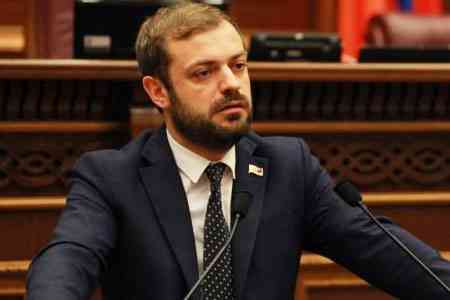
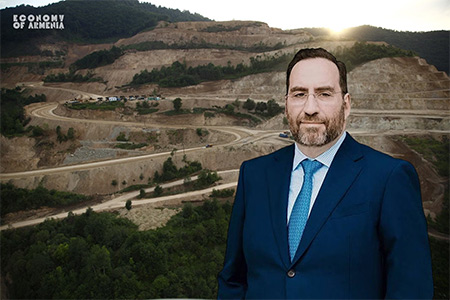
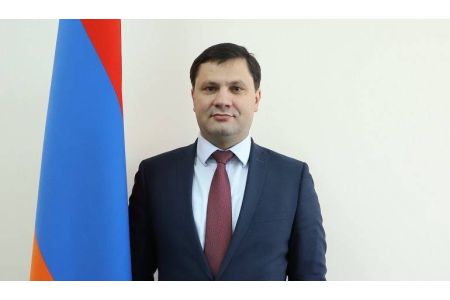
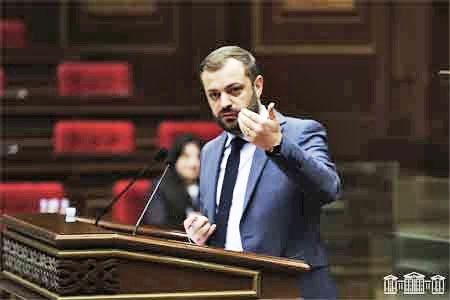
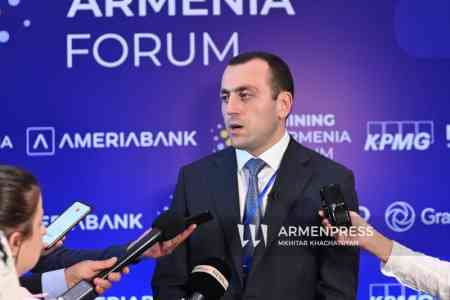
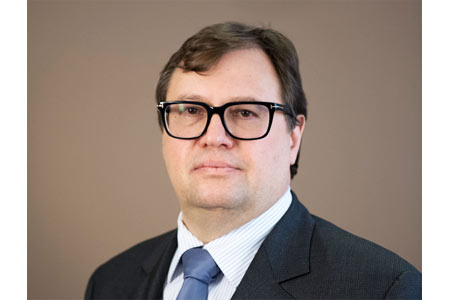
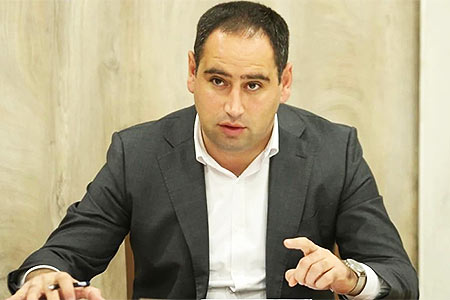
This was stated Gevork Papoyan, head of the department, during a briefing on August 22. Earlier, TASS reported that almost 90% of Armenian cognacs sold in Russian stores were deemed unsafe, citing the research conducted by the international association "Anticorafact" and the Union of Cognac, Alcohol and Alcoholic Beverages Producers. The study involved purchasing 200 samples of cognac from over 20 brands produced by ten of the largest Armenian producers. According to Papoyan, the authorities of the Republic of Armenia, don't base their assessment of Armenian cognac quality on sales volume of this product in foreign markets, including the Russian Federation. "Armenian cognac is a brand, and within the framework of one of the EU programs efforts are being made to strengthen the Armenian brand," he said.
"Unfortunately, Armenia has not had an "isotope laboratory" so far, he said. If the country fails to fill this gap, by 2025 a mandatory requirement will be established for exporters to undergo examination of Armenian cognac in a similar European laboratory," said the head of the Ministry of Economy. He noted that all cognac produced in the Republic of Armenia undergoes examination in Russian laboratories and the Armenian side will discuss any problem with the Russian side only after receiving official notification. When asked if Armenian products have quality issues, Papoyan said: "I don't believe so." "A country that consistently moves towards quality standardization and economic diversification must have robust laboratory capabilities. To that end, we plan to invest in the latest laboratory equipment worth 1 billion drams by 2024. These programs will be ongoing. We also assist the private sector in obtaining quality certificates if necessary," said Gevorg Papoyan.