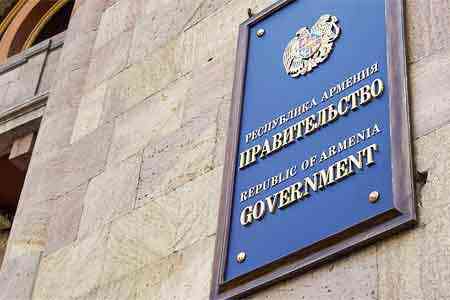


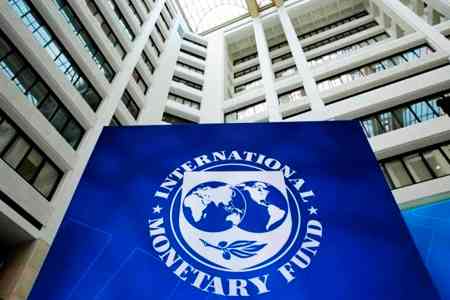
ArmInfo. An International Monetary Fund (IMF) team, led by Iva Petrova, visited Yerevan from September 18 to October 1, 2024, and held further virtual discussions afterwards for the fourth review under the Stand-By Arrangement (SBA) with Armenia. At the conclusion of the discussions, Ms. Petrova issued the following statement:
"I am pleased to announce that the IMF team and the Armenian authorities have reached a staff-level agreement on policies for the completion of the fourth review under the three-year SBA, which supports Armenia's economic reform program. The agreement is subject to approval by the IMF's Executive Board, scheduled to consider this review in mid-December. This approval would enable access of about US$24.5 million (SDR 18.4 million), bringing total access to about US$122.7 million (SDR 92 million) since the SBA's inception.
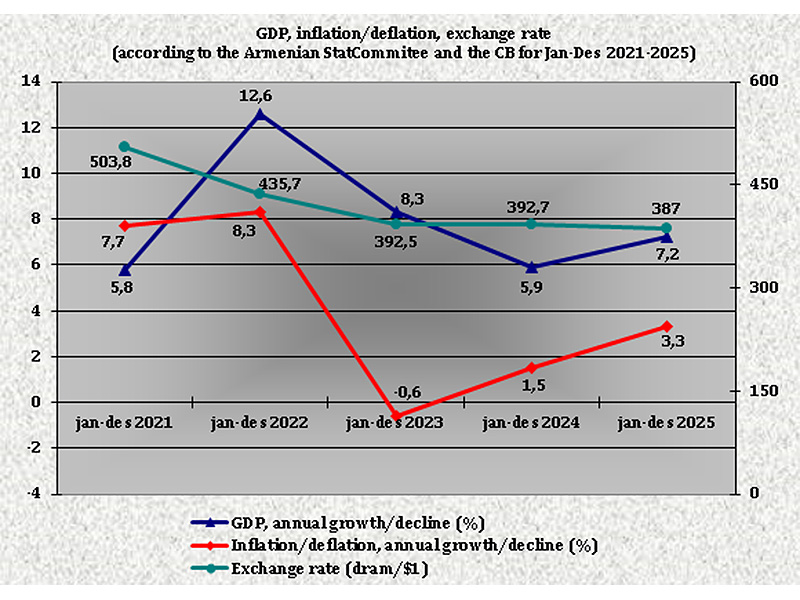
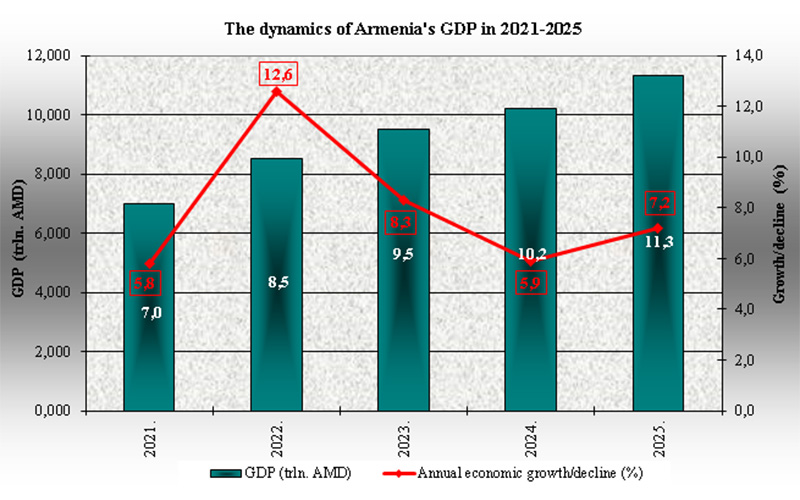
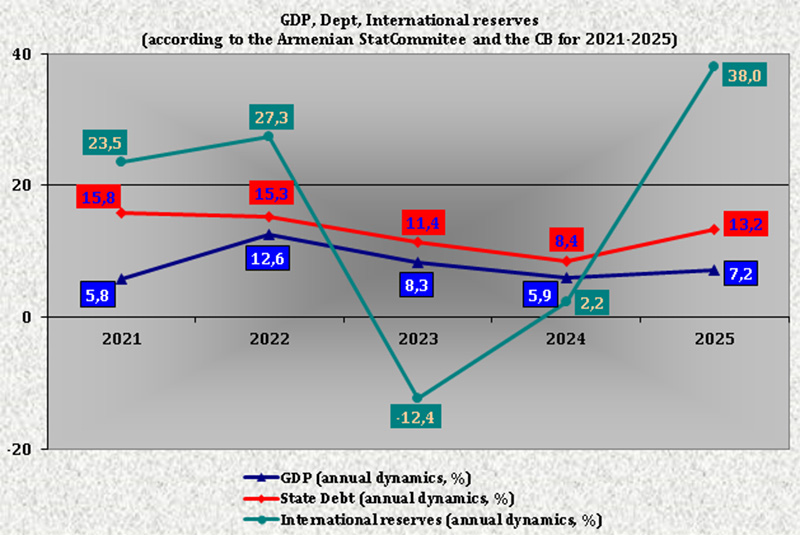
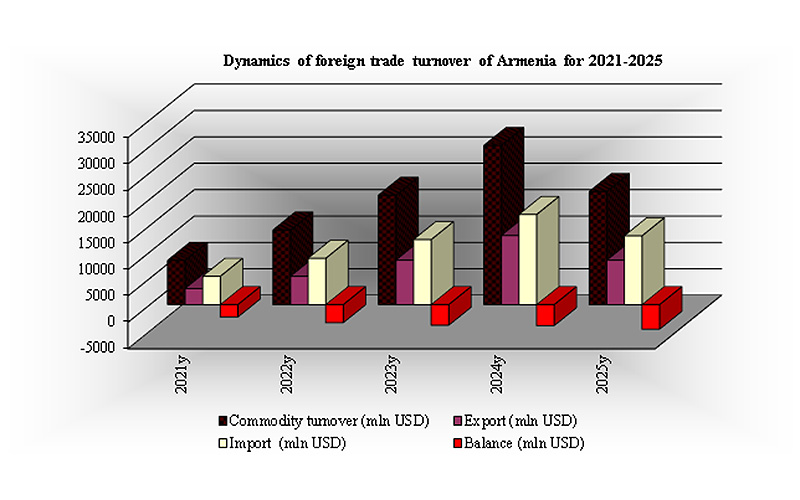
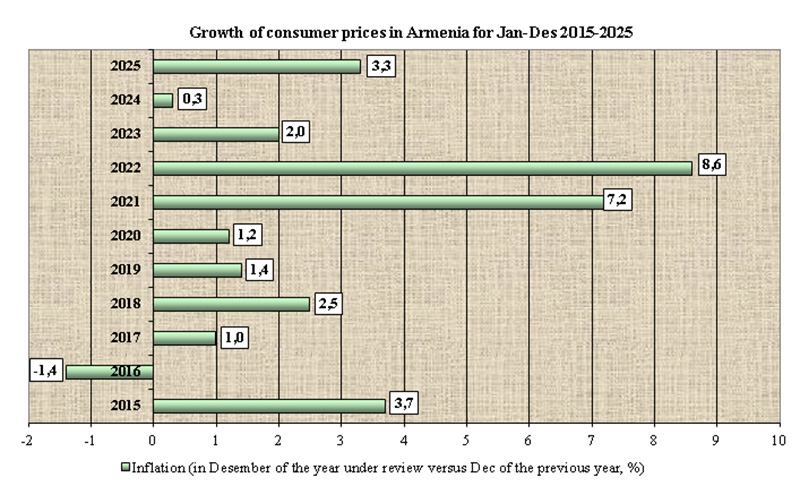
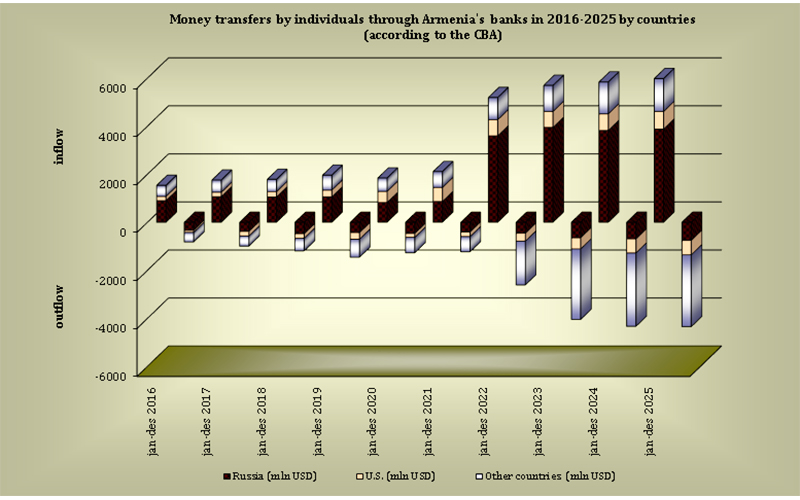
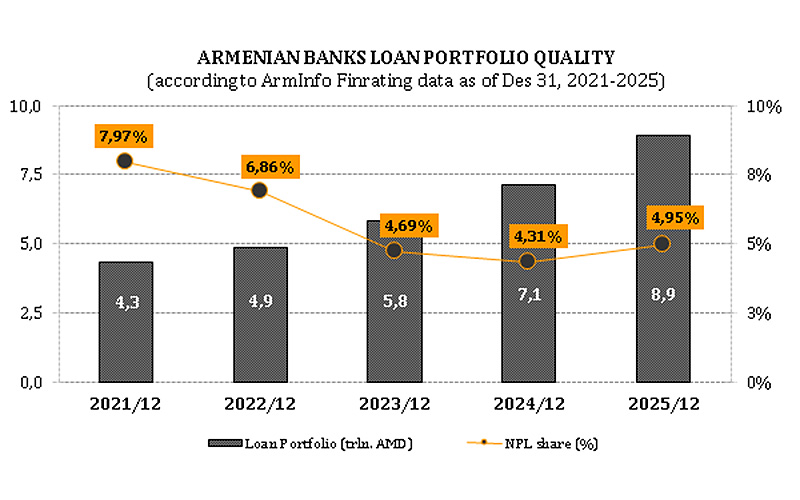
"Armenia's economic activity remains robust, with real GDP growing by 6.5 percent in the first half of the year, driven by domestic demand. Employment growth has been steady, averaging 19 percent since the start of 2023, while inflation has remained low at 0.6 percent year-on-year in September. The current account deficit has widened as transitory factors subside, and tourism and remittances continue to normalize. Preliminary data indicate that prudent execution of the 2024 budget has resulted in a small overall fiscal deficit through September 2024. Central government debt remains moderate at 48.4 percent of GDP at end 2023. The banking system enjoys strong capital and liquidity buffers, along with high profitability.
"The strong growth momentum of the past few years continues to gradually normalize, with GDP growth expected to reach 6 and 4.9 percent in 2024 and 2025, respectively, as domestic consumption and external demand decelerate. Inflation is expected to remain low in the short term and gradually converge to the CBA's inflation target in the medium term. Significant risks to this outlook include geopolitical tensions and potential growth setbacks in trading partners, a reversal of capital inflows, and surges in global food and energy prices. On the upside, growth could exceed expectations if net exports perform better than anticipated and if structural reforms and refugee integration are implemented more swiftly.
"The draft 2025 budget appropriately accommodates priority spending needs, including national security and refugee integration. With rising spending pressures, however, careful medium-term expenditure prioritization and the introduction of new tax policies will be necessary to support fiscal consolidation in line with the fiscal rules and maintaining debt at a moderate level. Implementing reforms to strengthen medium-term fiscal planning, enhance public financial management-including through robust fiscal risk management, transparency, and governance-and bolster the public investment management framework remains critical to support fiscal efforts.
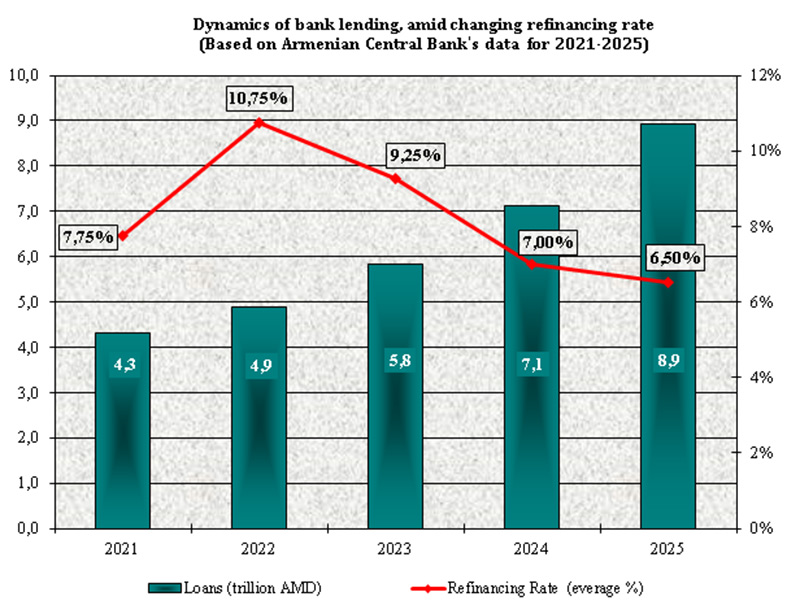
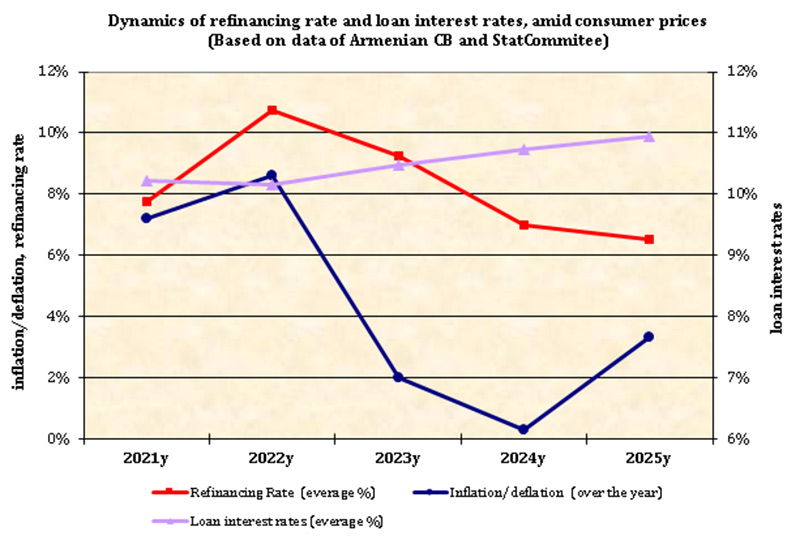
"Amid low inflationary pressures, the Central Bank of Armenia (CBA) has continued its gradual reduction of the policy rate to steer inflation towards its target. Future rate decisions should continue to be guided by the evolution of inflation and inflation expectations. The flexible exchange rate should remain a key shock absorber, and the authorities' commitment to maintaining healthy international reserve buffers is welcome. Ongoing efforts to improve monetary, foreign exchange, and financial regulatory transparency are helping enhance CBA's policy communication, and efforts should continue to strengthen the CBA's prudential and supervisory frameworks. With its continuous financial risk monitoring, including the recent increase in the countercyclical capital buffer, the CBA remains vigilant in mitigating financial sector risks.
"The government's structural reform agenda appropriately focuses on fostering inclusive growth, including by boosting labor force participation among the youth, women, and vulnerable populations, encouraging diversification in the country's export basket and markets, and improving the business environment. Achieving these objectives requires developing and implementing concrete, fully costed employment and export strategies, prioritizing governance reforms, upgrading the insolvency framework, and rationalizing investment incentives to support quality investments.
"The IMF team thanks the Armenian authorities, private sector, development partners, and the diplomatic community for fruitful discussions and cooperation."