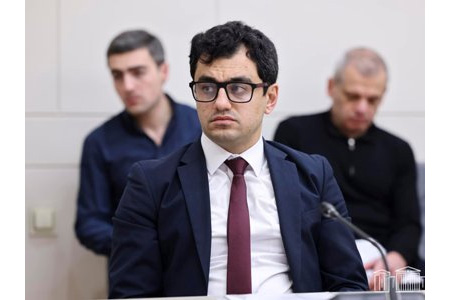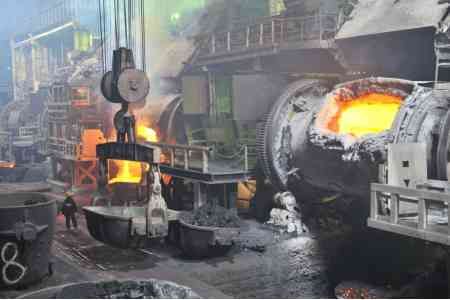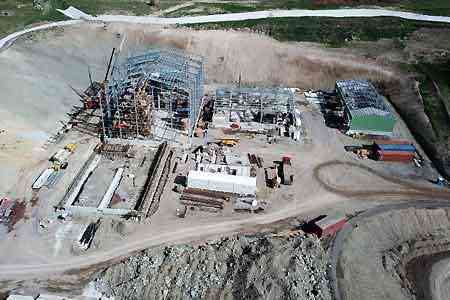


ArmInfo.Zangezur Copper and Molybdenum Combine (ZCMC) has started implementing a new payroll system for production employees. According to ZCMC's Administrative Director Zara Sianozova, this decision was made because the production segment is the main part of the combine, with a workforce of around 2,800 people.
As part of the new payroll system, salaries for employees in the same category will be equalized. On average, salaries will increase by 20% Sianozova noted. In addition, employees can also see salary increases through certification. The Administrative Director highlighted that ZCMC had initiated the wage review process by introducing a new system long before the employee strike. She also emphasized that the combine's management is ready for a dialogue with its employees to have discussions that lead to reaching common ground.
It should be noted that on February 1, some ZCMC employees announced a strike demanding a 50% increase in wages. ZCMC considered these demands unrealistic and the actions of the strikers as violating the Labor Code. Later, ZCMC announced that changes in remuneration terms, medical insurance, and improvement of working conditions will be implemented within the established time frame. As a result, the employees of the Zangezur Copper and Molybdenum Combine returned to their workplaces on February 11. Zangezur Copper Molybdenum Combine CJSC (ZCMC) is the largest mining company in Armenia, operating the Kajaran copper-molybdenum deposit with ore supply estimated to last about 150 years. For the third consecutive year, company has been the top taxpayer in Armenia, contributing about 102 billion drams to the state treasury in 2024 (a 44% annual growth). Of this amount, 2.2 billion drams were customs duties, 30.2 billion drams were direct taxes (including profit tax, income tax), and 2.7 billion drams were indirect taxes (including VAT, excise tax).