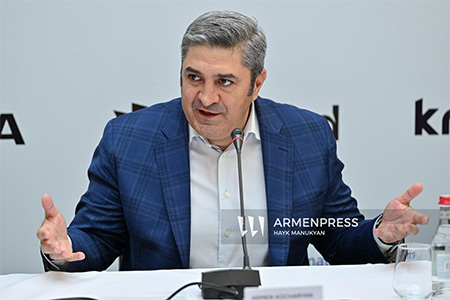



ArmInfo. Unfortunately, small and medium businesses have failed to convey their concerns to the authorities. This was stated by the President of the SME Cooperation Association Hakob Avagyan on February 25 during a discussion on the double increase in the turnover tax rate.
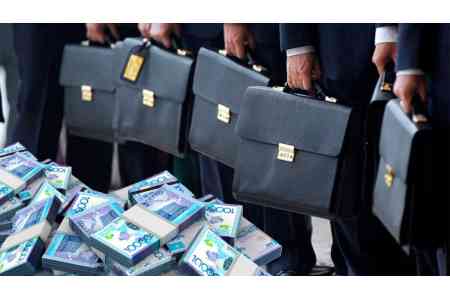
The turnover tax (replaces VAT and income tax) is paid by business entities whose annual turnover does not exceed 115 million drams (from January 1, 2020, Armenia returned to a non-taxable annual turnover of up to 115 million drams). In June 2024, amendments to the Tax Code were adopted, which entered into force at the beginning of this year, implying an almost double increase in the turnover tax rate, with the possibility of reducing the tax payable at the expense of documented expenses. In addition, since 2025, the range of activities prohibited from taxation in the micro-enterprise tax systems has also been expanded (notaries, lawyers, taxpayers engaged in the purchase, sale and / or lease of real estate, hairdressing services, etc.). They will have to work either in the turnover tax system or under VAT. According to the Ministry of Finance, this legislative act affected more than 55 thousand business entities. The amendments that came into force in January, as expected by the Ministry of Finance, will provide the state treasury with an annual increase in revenues from the turnover tax of approximately 17.8 billion drams. In this regard, since the beginning of the year, representatives of SMEs have periodically held protests, including at the government building, demanding that the revision be abandoned or at least postponed.
, he said.
According to him, Armenia already has a similar experience - in 2011-2012, the Republic rejected the simplified tax and introduced a simplified profit tax, which lasted only a year. After that, through the joint efforts of the expert community and economic authorities, a turnover tax system was developed and introduced in January 2013.
Meanwhile, in the 21st century, tax policy in countries is being developed within the framework of creating a more simplified model for business, so that the latter spends as little time as possible on calculating and paying taxes. We are going in the opposite direction - introducing a system that runs counter to the logic of the turnover tax and with the most complex tax accounting, the expert added.
In addition, Hakob Avagyan notes, the Ministry of Finance is being disingenuous when it says that the changes do not imply an increase in the tax burden for businesses. , the expert summarizes.