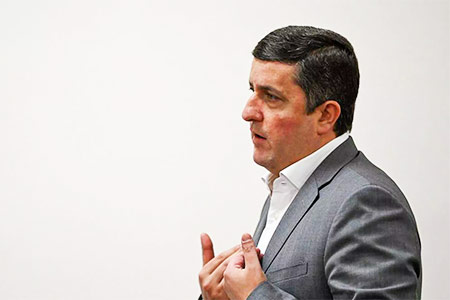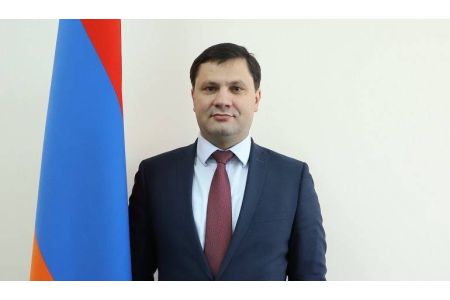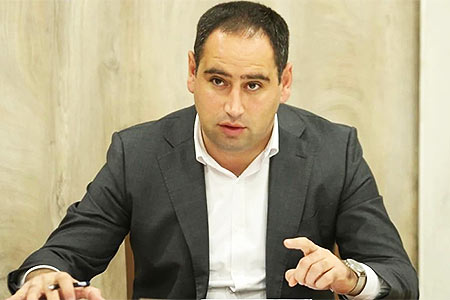


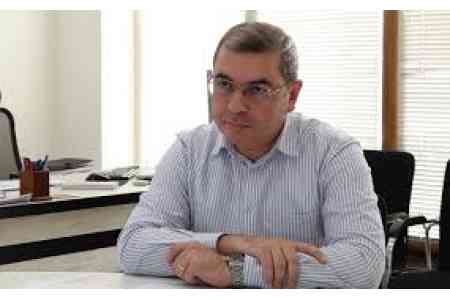
ArmInfo. Armenia's current fiscal policy is technical rather than strategic in nature; it ensures procedural discipline and transparency, but fails to serve as a tool for economic growth and structural reform. This is the opinion of David Ananyan, PhD in Economics and former head of the RA State Revenue Committee (SRC).
"Fiscal policy lacks predictable rules and countercyclical flexibility, resulting in the budget remaining procyclical, exacerbating crises during economic downturns.
Tax policy is disconnected from the fiscal system and fails to stimulate development; in particular, the optimal level of the tax burden, the effectiveness of tax benefits, and the quality of tax collection are lacking," Ananyan writes on social media.
The economist is convinced that Armenia needs a new framework: fiscal policy should become an instrument of economic strategy, and the tax system should be structured to ensure revenue stability, stimulate investment, and ensure social justice. Ananyan also attempts to present the above-mentioned ideas in language more understandable to the general public. "Armenia's state budget only calculates, but does not develop. The current system maintains order, but does not create growth and new opportunities," he notes.
Furthermore, while "the state purse" should work for the population, not against it, it becomes an instrument for deepening crises, as it lacks flexibility in difficult times.
At the same time, the tax system is disconnected from the real lives of people and businesses; there is no fair burden, and there are no incentives for investment and work.
In this regard, the former head of the State Revenue Committee emphasizes, the entire logic must be changed. Specifically, taxes and the budget must serve three goals: stable revenues for the state, new investments for the economy, and justice for society.