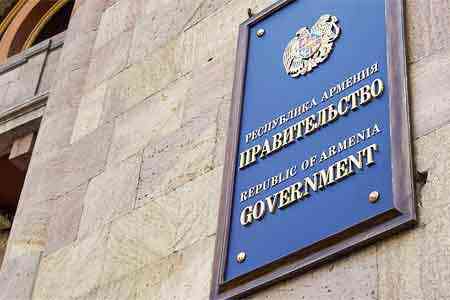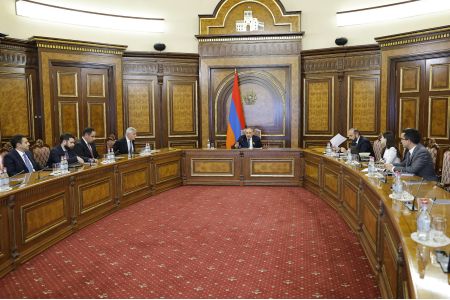


ArmInfo. The Armenian government is extending the temporary ban on the movement of certain goods from the Republic of Armenia to Eurasian Economic Union member states and on their export to third countries. The decision was made by the Cabinet of Ministers during its regular session on October 30.
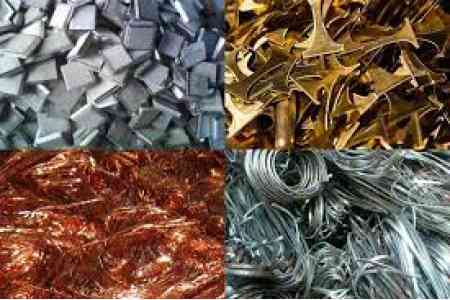
As stated in the explanatory note to the document, given the lack of efficient ferrous metal deposits (or copper production) in Armenia, Armenian metalworking enterprises use local scrap and waste as raw materials. Therefore, the efficient use of ferrous and non-ferrous metal scrap and waste is extremely important for ensuring that Armenian metalworking and metal processing enterprises have sufficient metal resources. As a strategic commodity for Armenia, ferrous and non-ferrous metal products are crucial for enhancing the country's defense capability and national security. From this perspective (given the unfavorable economic conditions prevailing internationally), the issue of providing Armenian metalworking and metal processing enterprises with the raw materials necessary for the production of finished ferrous and non-ferrous metal products is of paramount importance.
Recent experience has demonstrated that it is economically infeasible to work with scrap or semi-finished ferrous and non-ferrous metals imported as raw materials (both from EAEU countries and third countries), due to the high prices of these imported products, the lack of direct rail delivery, and high logistics costs. As a result, finished products made by local enterprises using imported raw materials become uncompetitive even in the domestic market due to their high cost (compared to the same imported products). The above factors could have led to a decline in the financial condition of these enterprises, ultimately leading to the disruption and cessation of their production activities, which, in turn, results in dependence on imports.
The Ministry of Economy notes that in recent years, due to high prices on foreign markets, there has been an intensive export of ferrous and non-ferrous scrap metal from Armenia. If this process is not regulated, dozens of enterprises in the local metallurgical and metalworking industries (as well as cable and wire manufacturers) will be forced to use exclusively imported scrap metal or blanks as raw materials, which (as stated at the beginning of the justification) does not solve the existing problem. Almost all EAEU countries have also banned or restricted the export of ferrous and non-ferrous metals, the ministry notes. Considering the strategic importance of the above-mentioned industries for Armenia and the need to ensure the operational efficiency of these enterprises, the government most recently temporarily (for a period of 6 months) banned the export of ferrous and non-ferrous scrap and waste metals, as well as certain used ferrous and non-ferrous metal products (those no longer fit for use as primary products), by a decree dated July 3, 2025.
As a result of the export ban, local metal production volumes have increased significantly. Specifically, in 2024, the production of unalloyed cast steel increased by 2.4 times, steel pipes, hollow sections, and their fittings by 10.8%, household aluminum castings by 5.8%, and metal structures and their parts made of iron, cast iron, steel, or aluminum by 19%. As a result of government measures, investments were directed into the industry between 2022 and 2025, including foreign ones (Karakert Stone Smelter, GTB Steel, Dzulakentro, Edmet, Aske Group, Asedl).
According to the Ministry of Economy's forecasts, the total investment volume under the above-mentioned programs will be approximately $100 million, resulting in the creation of 550-750 new jobs, and an increase in the use of local ferrous and non-ferrous scrap metal by 65-70%, bringing annual scrap consumption to 250,000 tons. In light of the above, it is proposed that, following the expiration of the export ban, a new export ban be established, which will be in effect from February 2, 2026, to August 2, 2026.