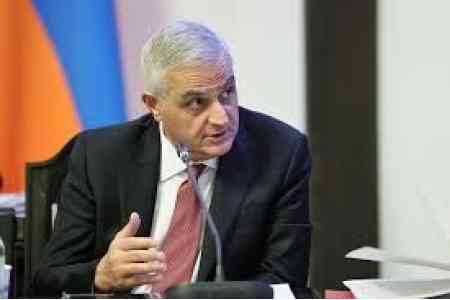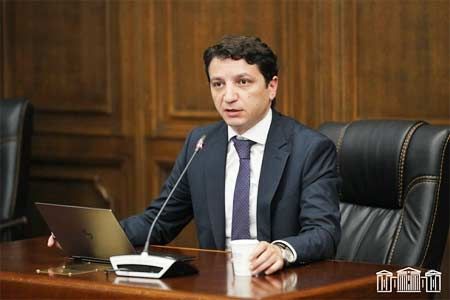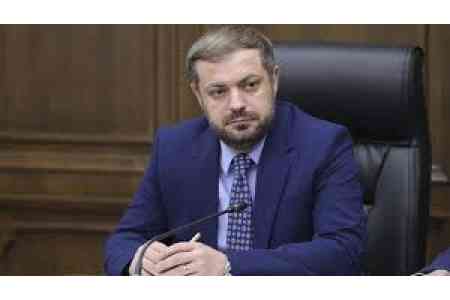
ArmInfo. During the draft state budget debates in the National Assembly committees on November 4, RA Minister of Economy Gevorg Papoyan stated that 39.4 billion drams will be allocated for agricultural programs in Armenia in 2026.
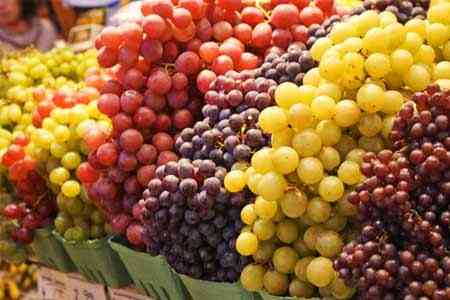
The Minister noted that this amount will be used to implement five programs. Agricultural allocations constitute the majority of the budgetary allocations for the entire RA Ministry of Economy, amounting to 74.5 billion drams. Of the total budget funding, 10.1 billion drams will be allocated for the agricultural development assistance program. Specifically, 5.3 billion drams are planned for the implementation of four major investment programs launched last year: the construction of two large poultry farms, one pig breeding farm, and one cattle farm. Additionally, 3.1 billion drams are planned for the purchase of agricultural raw materials, which will benefit 50 beneficiaries. These include grapes, tomatoes, milk, and other items. Procurement companies will receive interest subsidies on loans taken out to purchase these raw materials. Also, 700 million drams will be allocated to continue interest payments on agricultural loans previously received by the country's farmers. 311 million drams are planned to support the State Non-Profit Organization "State Programs for Assistance to Agriculture," and 264 million drams are planned for the development of viticulture and winemaking through a respective fund.
Papoyan also noted that a pilot agricultural risk insurance program will be implemented in cooperation with the German government. The German bank KfW has allocated a 200 million dram loan to Armenia for this program. An additional 100 million dram will be used for agricultural land consolidation. Other activities are also planned.
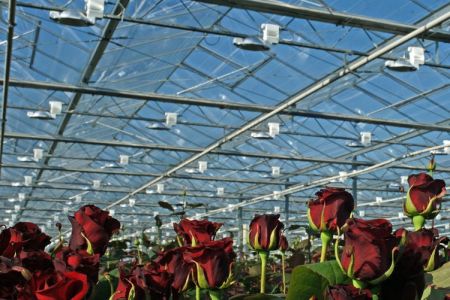
The Minister also stated that this year has seen a significant increase in exports of various agricultural products. The increase ranges from 10% to 200% for various types. Research conducted to determine the reasons for this significant increase revealed that, with the exception of apricots, accounting for 30% of exports, all other fruit and vegetable products are the result of the government policy. For example, 99% of all exported tomatoes are grown in greenhouses, with the executive body paying 8% to 10% of the loans for the establishment of greenhouses. The same applies to other crops, including flowers. Intensive orchards, for which the government is implementing a number of preferential programs, also contribute significantly to export growth. Until recently, Armenia imported pears, but now it exports this agricultural production, which is produced in intensive orchards.