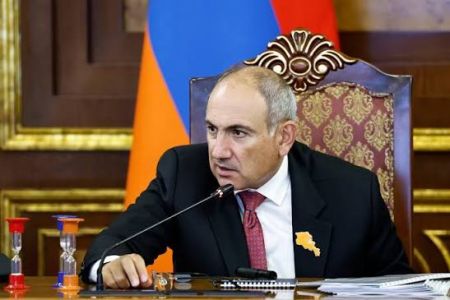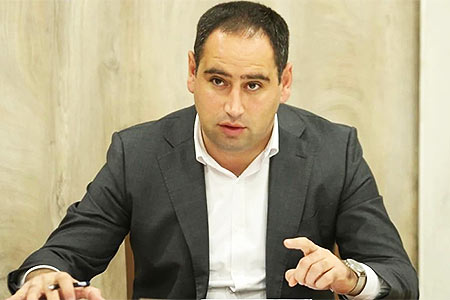
ArmInfo. More attention will be paid to the development of solar power in Armenia, as stated by RA Prime Minister Nikol Pashinyan during a press briefing with reporters in Hamburg.
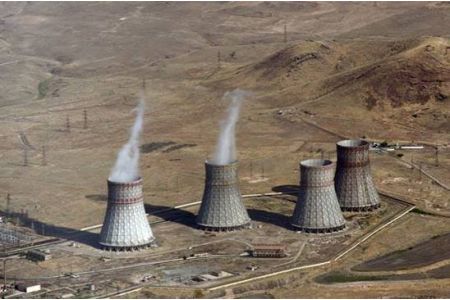
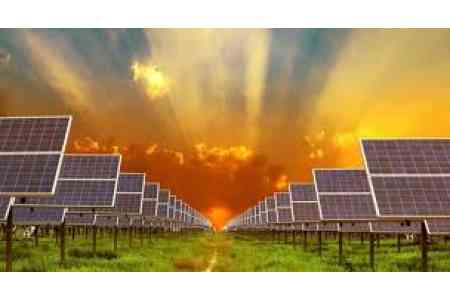
According to him, this sector has recently experienced significant growth in the country. The volume of power generated by solar energy facilities is already three times greater than that produced by the Armenian Nuclear Power Plant. However, as Pashinyan noted, it is now crucial to address the issue of energy storage by creating energy storage facilities. This will open up enormous prospects for the country's energy security. In this regard, Pashinyan emphasized the significance of collaborating with German companies.
"We see enormous potential for cooperation in areas that did not exist before. There is great interest in "green" hydrogen in Hamburg. Solar energy is used to produce hydrogen, which in turn is used as fuel. The European Union also plans to establish pipelines for the export or import of "green" hydrogen to Central Asia and the South Caucasus. This visit revealed that this area needs significant attention. The good news is that last year, and perhaps even a little earlier, I decided to establish a working group to study the production of "green" hydrogen. Following my previous visit, an agreement was reached to establish cooperation with the German company Fichtner," Pashinyan noted.
It should be noted that the Armenian government had planned to increase the share of solar energy in the country's energy mix from 0.3% to 15% by 2030. However, it has already become clear that this target will be exceeded. The country has significant solar energy potential: the average annual solar energy flux per square meter of horizontal surface is 1,720 kWh/m2, and a quarter of the republic's territory has solar energy resources with an intensity of at least 1,850 kWh/m2 per year. The lack of storage plants is hindering the development of this segment of the country's energy sector.