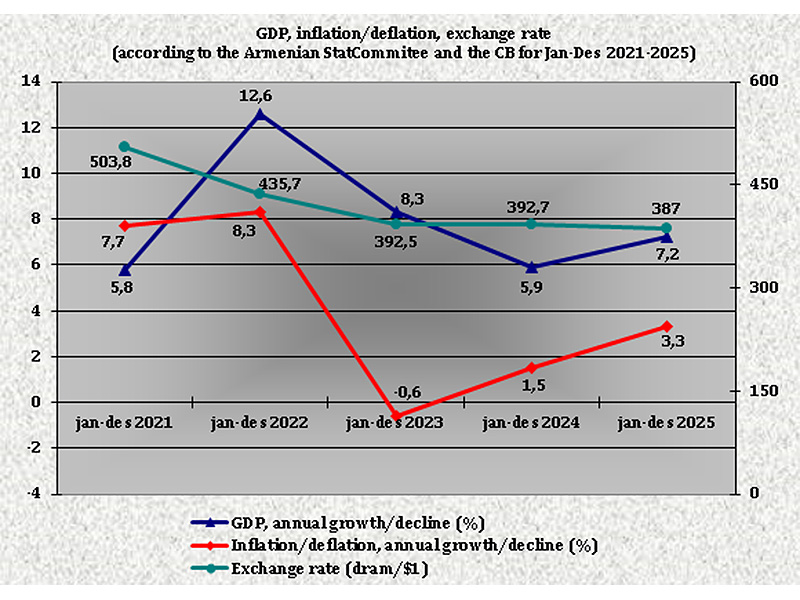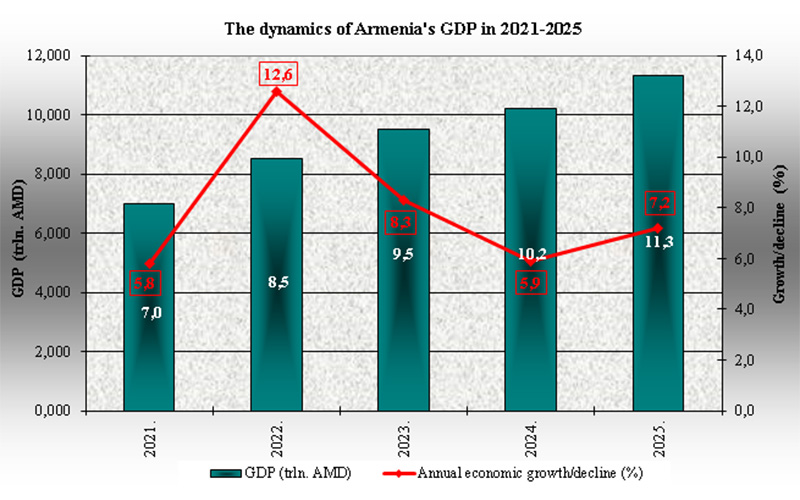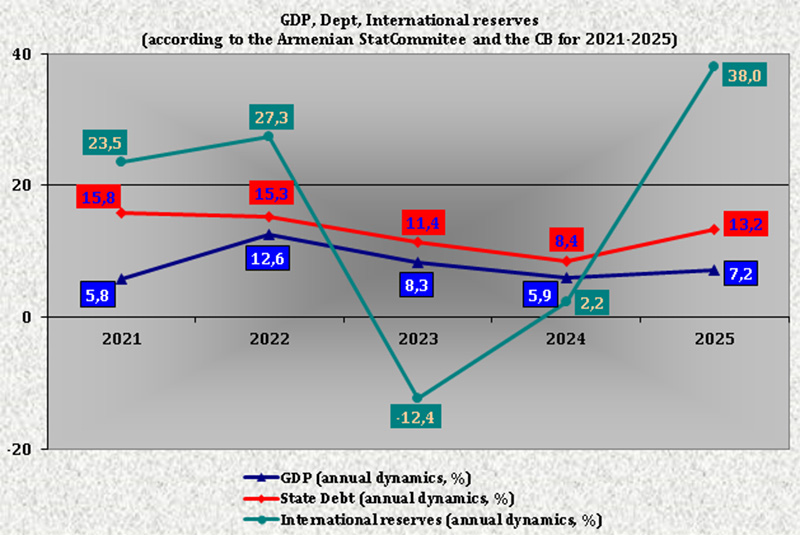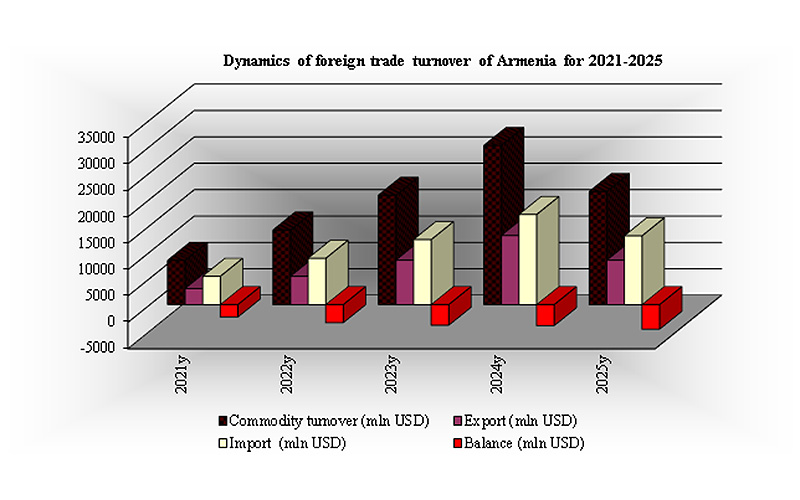



ArmInfo. Armenia's economy maintains high growth rates. The Eurasian Development Bank (EDB) expects growth to reach 6% by the end of 2025, which is higher than the average rate over the past ten years, as reported by Anton Dolgovechny, Senior Analyst at the EDB's Center for Country Analysis, during the presentation of the Bank's macroeconomic forecast for Armenia for 2026-2028.
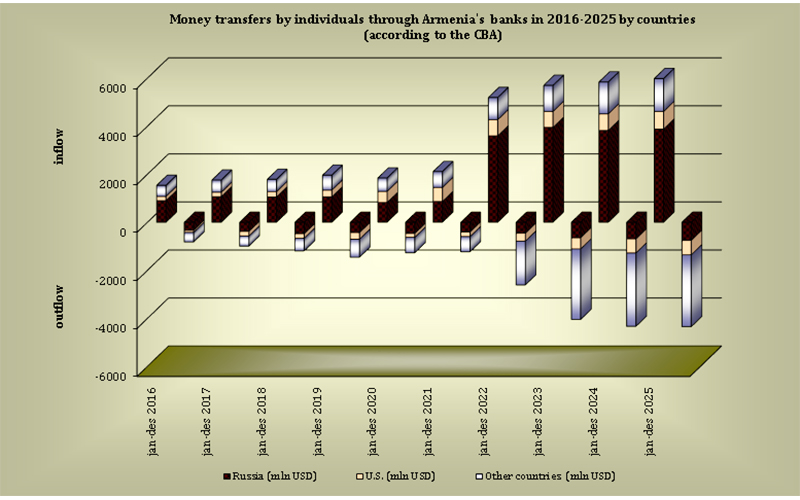
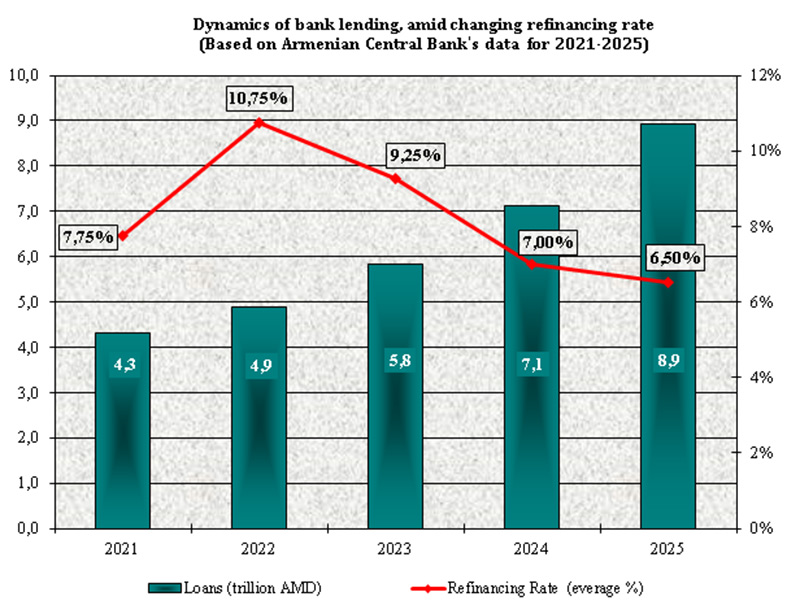
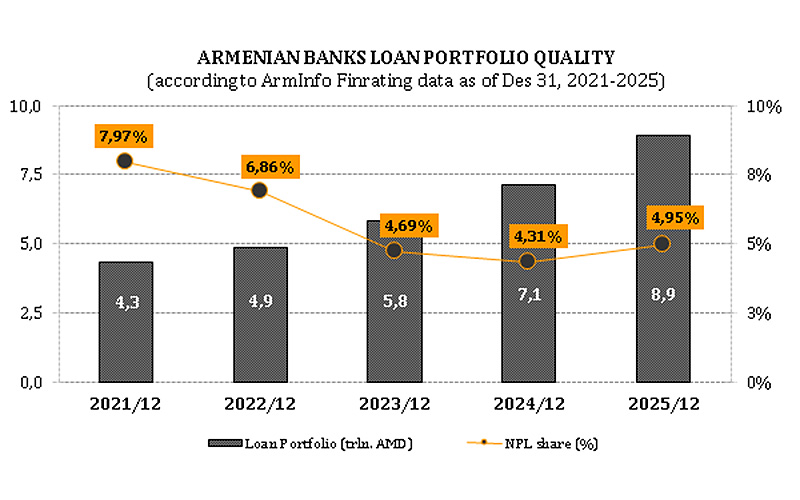
According to him, the main drivers of Armenia's GDP growth are high rates of construction, development in the IT and communications sectors, and growth in the financial sector. "Strong demand is also supported by expanding investment, which increased by almost 20% from January to September. Additionally, increased lending and remittances are creating the foundation for growth in household consumption. In 2026, the economy is projected to expand further by 5.3%, with consumption and investment providing the main contribution," Dolgovechny continued. He noted that investments in transportation and IT infrastructure are expected to increase further.
The Bank analyst added that an improved external environment, including accelerated economic growth in Russia, will be an additional factor spurring growth. This will support industries focused on external demand, including tourism.
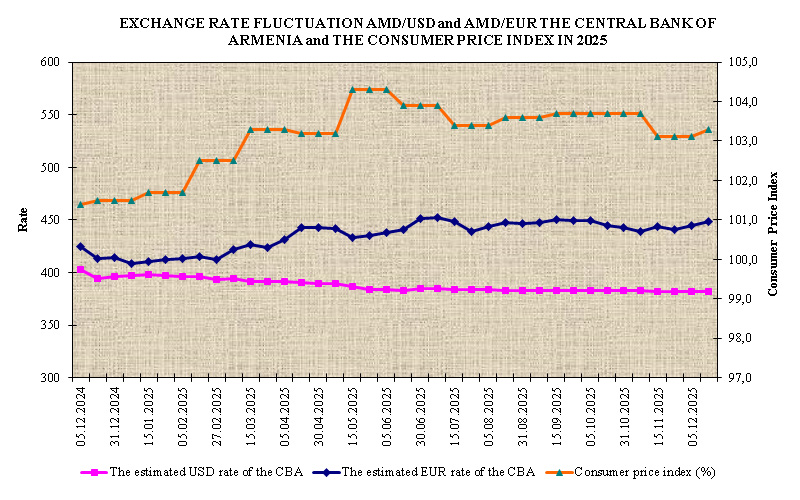
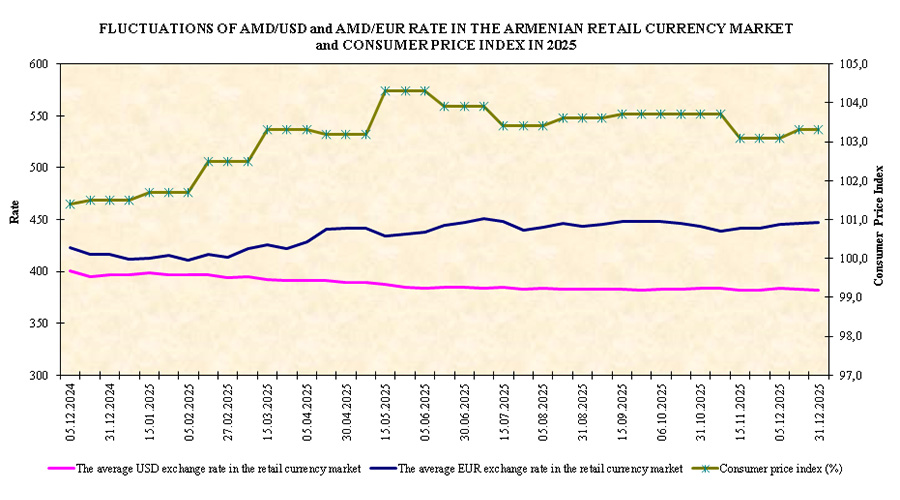
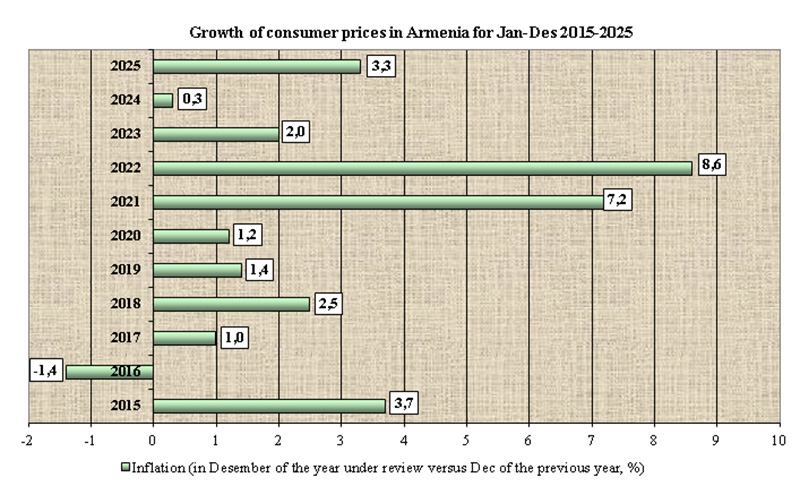
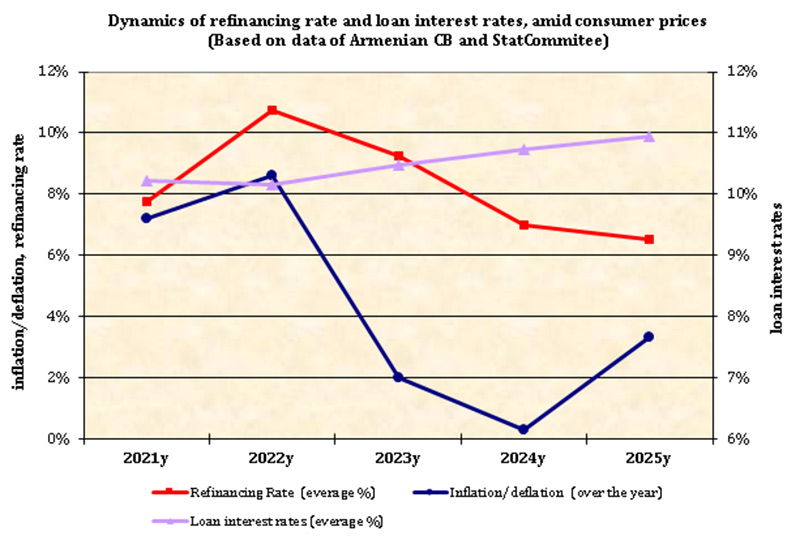
"In 2026-2028, inflation in Armenia will remain within the Central Bank of Armenia's target range, forecasting an average of around 3.3%. This will be facilitated by a stable dram exchange rate and the economy's return to long-term growth rates. Regarding monetary policy, we expect a rate cut to approximately 6.25% by the end of 2026," he continued. (The Central Bank of Armenia's key rate is currently 6.5%. Ed.)
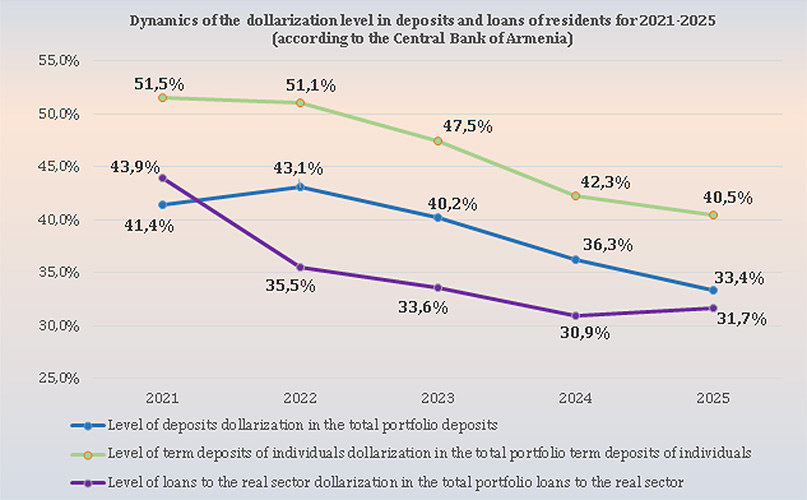
According to Dolgovechny, the regulator will maintain a balanced approach, as inflationary risks remain from a possible rise in global food prices and overheating external and domestic demand. "We forecast the average annual exchange rate in 2026 to be around AMD390/1$. The depreciation is expected to be driven by increased imports amid robust domestic consumer and investment demand and a decrease in the money market rate. However, the dram will be supported by increased external demand, including tourism, and stable remittance volumes," the analyst concluded.