ArmInfo. On December 25, the Armenian government will approve measures and procedures for refunding cashless payments made by individuals through the ArCa payment system, managed by Armenian Card CJSC.
As a reminder, on October 27, during budget hearings in parliament, Prime Minister Nikol Pashinyan announced that citizens will receive a 2% cashback on cashless transactions starting in 2026. On the same day, Finance Minister Vahe Hovhannisyan clarified that the cashback will only be credited to cards of the local payment system (ArCa, Armenian Card) and will not apply to gambling expenses. As stated in the explanatory note to the document, the event is aimed at promoting public-private socio-economic cooperation and strengthening the existing system of cashless transactions, while simultaneously providing a mutually beneficial opportunity for the relevant beneficiaries, offering them the opportunity to receive financial and monetary returns from cashless transactions, subject to compliance with the relevant conditions.
It is noted that the universal cashback on ArCa cards will be calculated and paid from February 2026 to January 2027 inclusive. The cashback amount for cashless transactions is 2%, which is formed proportionally by 1% from funds of Armenian Card CJSC, a partner participating in the event, and 1% from state funds. Income taxes arising from the allocations of Armenian Card CJSC are also paid from the state budget.
However, given that the funding provided by Armenian Card CJSC for the program's implementation is limited to 3.5 billion drams, should the costs incurred in providing refunds during the program exceed this amount, the program will be fully financed from the state budget.
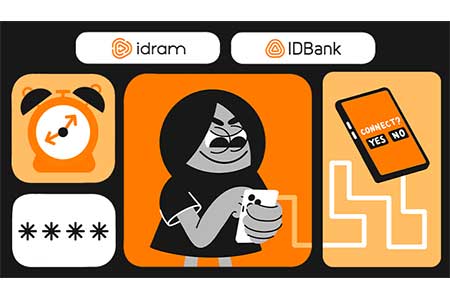
According to Issue N32 of the analytical review "Armenian Banks in the Card Business," prepared by ArmInfo Information Company, there were 4.7 million cards in the Armenian plastic card market as of October 1, 2025, a 15% year-on-year increase. Local ArCa cards accounted for only 16.3%, or 770,302 units, and their number has been declining by 5% annually for the second year running. This decline is partly due to the process that began two years ago, when two banks (IDBank, effective September 2023, and Unibank, effective January 2024) discontinued issuing local cards. Unibank, which for many years held the lead in the number of national cards, abruptly abandoned them in favor of international systems. Other banks also saw little growth in local card adoption, despite their low prices and tariffs, and a stable market niche among the elderly and those receiving pensions and benefits.
In this situation, Armenian Card, in order to take local ArCa cards to a new level of technological functionality, has been implementing solutions one after another. These include: Starting in 2024, the ability to accept and pay ArCa cards online via the EMV 3DS 2.0 EPS domain of Armenian Card, ensuring the security of online ArCa card payments for all Armenian banks, regardless of their platform of processing; starting in November 2024, the ArCa Pay system for instant express payments; and starting in October 2025, the ArcaQR system for everyday payments using a QR code directly from a bank account. The Central Bank, in turn, introduced a requirement to ensure interoperability for payments or transfers using QR codes (a single QR code image installed by banks and payment and settlement organizations at points of sale and/or services) starting in October 2025.
It should be noted that the National Payment System of Armenia (NPS), Armenian Card (ArCa), has been providing technological support to banks for over 25 years, including card processing, payment solutions, and interbank services. ArCa also operates the ArcaPay instant transfer system and the recently introduced unified national QR solution, ArcaQR. Armenian Card's shareholders are the Central Bank of Armenia (55%) and 15 of the 17 banks operating in Armenia (excluding Mellat Bank and VTB Bank Armenia), which equally distribute the remaining 45%.