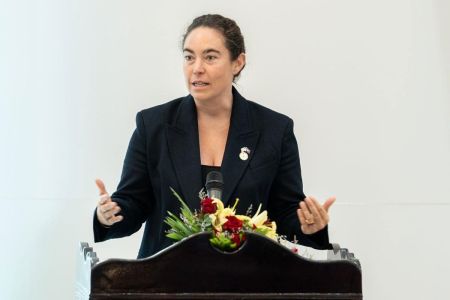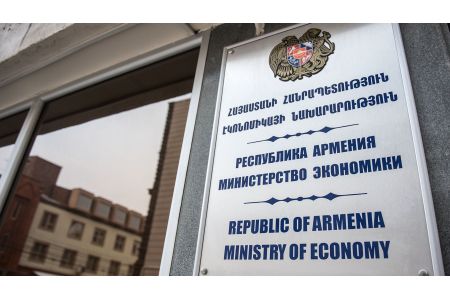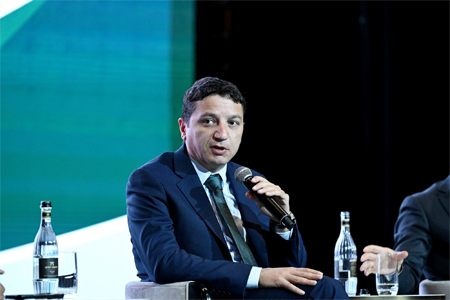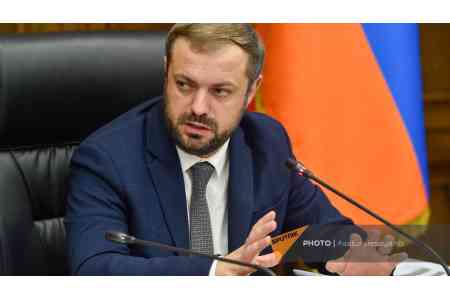
ArmInfo.The benefits of the peace process with Azerbaijan are numerous, but one tangible dividend will be that Armenia will reduce spending in various sectors of the economy by approximately 16.5 billion drams annually. Armenian Minister of Economy Gevorg Papoyan stated this in an interview with Armenian Public Television.
In particular, he emphasized that diesel fuel costs in the agricultural sector alone will be reduced by 1.1 billion drams. "As a result of these processes, not only the state budget but also our citizens will benefit," the minister said, responding to numerous accusations that Armenia is replenishing that country's budget by importing Azerbaijani gasoline.
Papoyan recalled that this time, Armenia is importing not only Premium but also Regular grade Azerbaijani gasoline, as well as 6,000-7,000 tons of diesel fuel (compared to 1,200 tons during the first shipment).
"This will lead to gasoline and diesel market prices falling to 80 drams per liter compared to the average price in December 2025.
Meanwhile, according to our data, other companies that do not import Azerbaijani gasoline will also lower their prices by 30-40 drams as a result of negotiations with their suppliers. I think prices will drop even further in the near future," he emphasized.
Responding to an interviewer's question about the impact of Georgia's transit fees for imports from Azerbaijan to Armenia (Georgia provided free transit for the first shipment), the Minister of Economy stated that Georgia has offered fairly favorable tariffs for subsequent shipments, which will not have a significant impact on prices.
He also noted that there are Azerbaijani companies interested in Armenian products. "Both Armenia and Azerbaijan have conducted in-depth studies on the Export Similarity Index (ESI) and the Trade Complementarity Index (TCI) in foreign trade, and they have found that Armenia exports a number of goods that Azerbaijan imports," the minister noted. Papoyan recalled that the countries have compiled a list of these goods, which is not very long, but nevertheless includes quite a lot, including aluminum foil, ferromolybdenum, alcohol, textiles, greenhouse products, livestock, and so on.
"This is not an easy process, given the various circumstances-people are unfamiliar with each other, markets are unfamiliar with each other, and there are certain archetypes. These are complex issues, but we need to move forward little by little," the Minister of Economy emphasized.