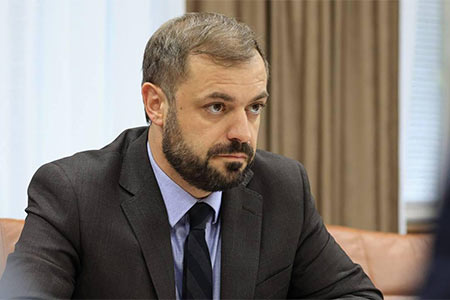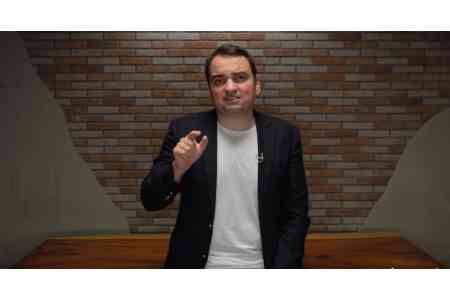


ArmInfo. Information security expert Artur Papyan listed the potential risks Armenia may face following the introduction of artificial intelligence (AI) into the country's government system in the absence of adequate legal and protective mechanisms. He wrote about this on his Facebook page, presenting the results of an analytical survey prepared by the Data Protection Center dphub.am.
The expert noted that, first and foremost, there is a legal vacuum. Currently, Papyan noted, there is no clear legislation regulating how and where government agencies can use AI algorithms. "This means that decisions can be made on a 'black box' basis, lacking transparency," the expert noted.
Furthermore, he drew attention to the issue of data privacy. Papyan explained that the use of AI tools in government agencies often involves the processing of citizens' personal data. "Without a thorough audit, we have no guarantee that this data won't fall into the hands of third parties or into systems with security vulnerabilities," the expert noted.
The expert also believes that questions of ethics and liability also arise. He asked who will be held accountable if an AI system makes an incorrect decision, for example, regarding social support or administration. "Our research shows that accountability mechanisms have not yet been developed," the expert noted.
In this vein, Papyan presented his proposals for addressing these issues. He stated that it is necessary, first and foremost, to move to a "cautious innovation" model, which entails implementing a mandatory set of tools for assessing the impact of AI and developing ethical principles for all government agencies.
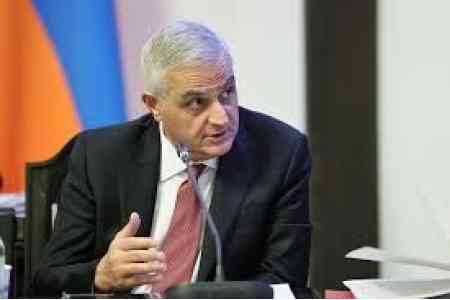
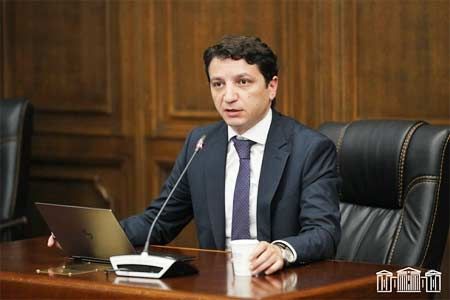
"Technological advances are great, but they should not come at the expense of our privacy and security," Papyan concluded. It should be noted that on October 28, 2025, during a parliamentary debate in Armenia, High-Tech Industry Minister Mkhitar Hayrapetyan stated that approximately 55,000 engineers and programmers are currently involved in Armenia's technology sector. He also stated that one of the ministry's priorities is increasing the number of specialists in artificial intelligence, and that issues related to artificial intelligence are prioritized in virtually all programs for 2026.