


ArmInfo. The dynamics of Armenia's economic activity are still being determined by external factors, according to a study by the Luys Foundation, whose experts have analyzed the country's socioeconomic development during the period of January-December 2025.
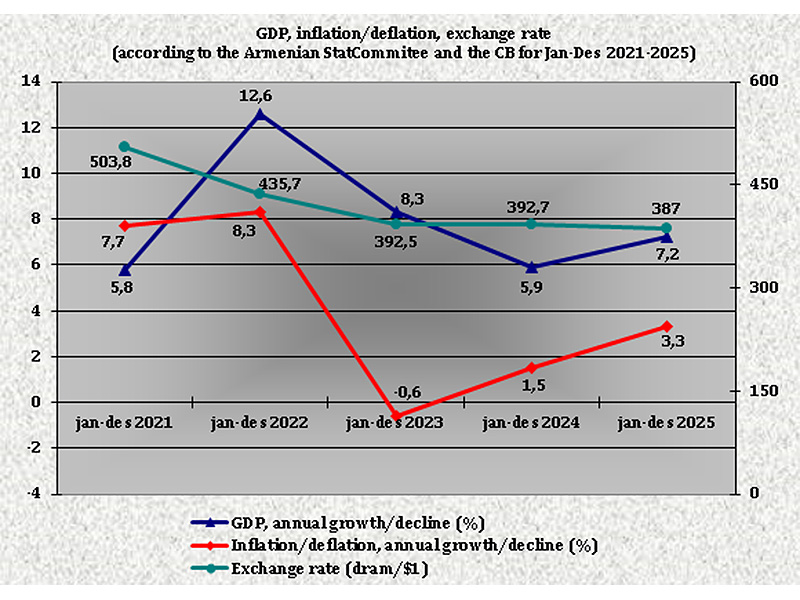
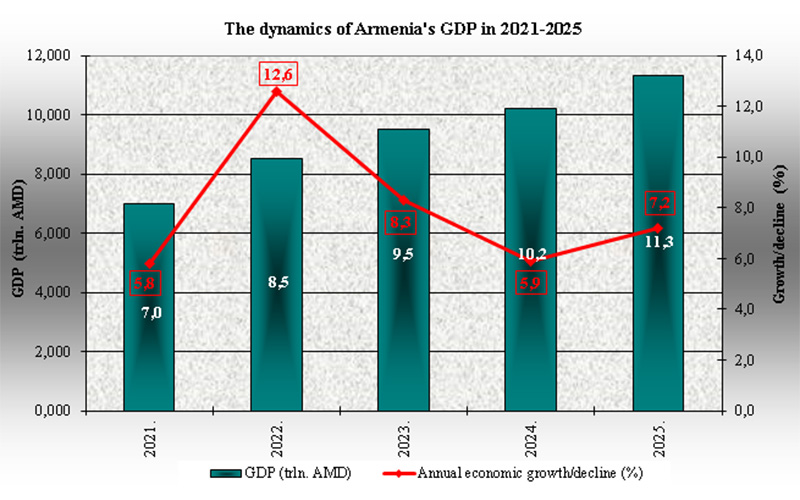
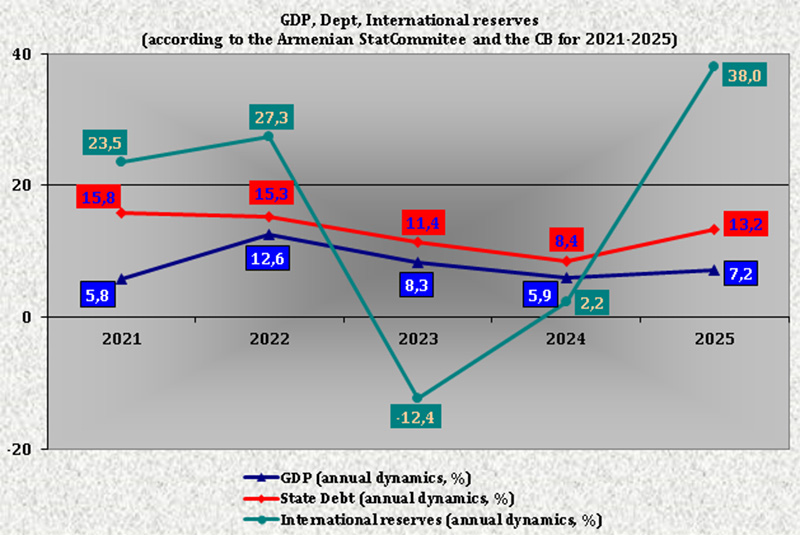
As noted in the study, according to data for 2025, sufficiently high growth rates of economic activity were recorded. The rates amounted to 9.1%, which is approximately 1.1 percentage points higher than the 2024 figure. The acceleration primarily occurred at the end of the year due to the recovery of industry, which, in turn, was driven by the increased gold re-exports. In other words, the dynamics of Armenia's economic activity are still determined by external factors.
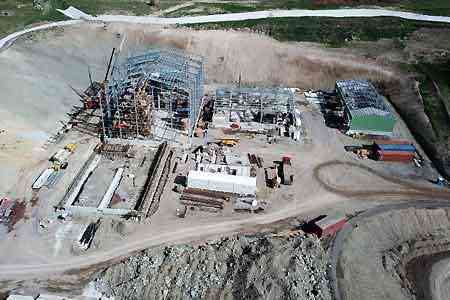
Industrial growth rates accelerated at the end of the year, reaching 38.6% in December, 2025, driven by several unstable factors. A significant portion of this growth-about 19.9 percentage points-according to November data, was due to an approximately 2.9-fold increase in the " non-ferrous metals production " subsector. The latter mainly reflects the growth of gold re-exports, which is naturally not a stable phenomenon and can be neutralized by factors beyond the control of the Armenian economy. Therefore, this type of economic growth is unsustainable and does not contribute to increasing long-term potential.
In addition, as the foundation's experts note, the RA state budget continues to deviate significantly from the plan. Although state budget revenues were exceeded and tax revenues were collected almost in accordance with the plan, the state budget deficit deviated from the plan by approximately 30.6% due to a significant lag in expenditures. Budget capital expenditure indicators improved compared to previous years, mainly due to the large share of expenditures by the Ministry of Defense.
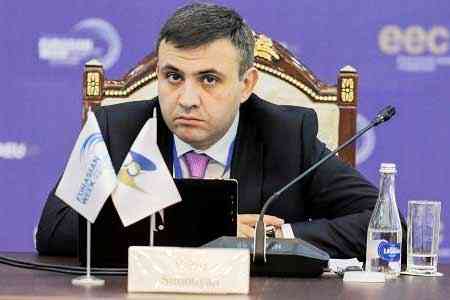
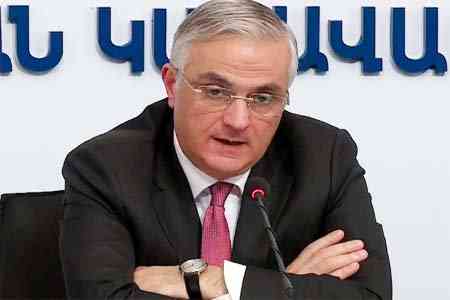
Recall, RA Economy Minister Gevorg Papoyan previously noted that economic activity in Armenia grew by 9.1% in 2025. He emphasized that growth was recorded across all economic sectors, with some even recording double-digit figures. Specifically, the construction sector grew by 20%, while the services sector grew by more than 10%. Agriculture, industry, and trade also saw significant increases. "That is, there are no areas of the economy where we haven't seen significant growth. And this growth isn't just a statistical indicator, but a change in quality of life," Papoyan noted. In this context, the Minister reported that over 45,000 new jobs were created in Armenia in 2025, and the average salary exceeded 400,000 drams.