


ArmInfo. The Eurasian Fund for Stabilization and Development (EFSD) forecasts Armenia's GDP growth at 5.5% by the end of 2026. This is evidenced by the summer update of the EFSD's Regional Economic Review (RER), which updated its economic development estimates for the region's countries for 2026-2028.
The EFSD review, received by ArmInfo, notes that the slowdown in economic activity at the beginning of the year was primarily due to one-off, unpredictable factors. Specifically, in Russia, the decline in construction activity was due to a snowier and colder winter; in Kazakhstan, a temporary reduction in oil production due to a technological accident at the Tengiz field; and in Armenia, a downturn in the financial sector. In Belarus, the weak start to the year was primarily due to the deteriorating external environment. Meanwhile, Kyrgyzstan and Tajikistan maintained high rates of economic growth.
"According to EFSD estimates, a rebound will occur in the second quarter; its realization is already visible in the current data for Belarus and Kazakhstan. By the end of 2026, GDP growth is expected to be somewhat lower than previously forecast: Russia - 0.6%, Kazakhstan - 5.0%, Armenia - 5.5%, Belarus - 1.3%, Kyrgyzstan - 8.5%, and Tajikistan - 7.1%," the review states.
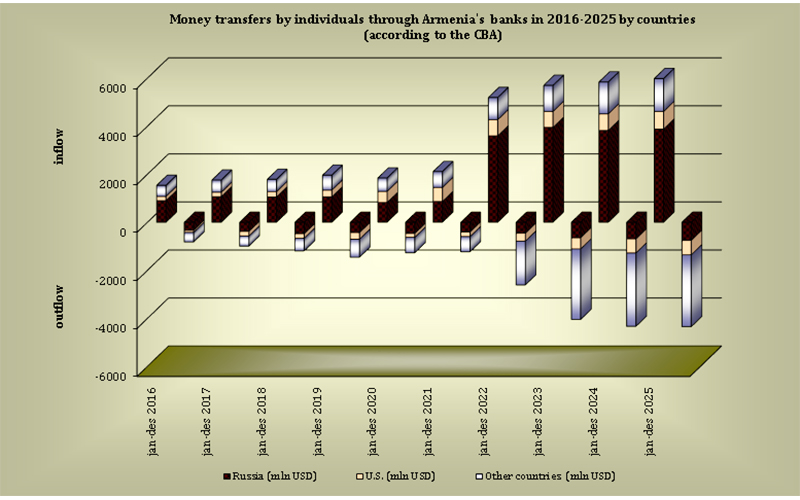
EFSD analysts add that domestic demand remains the main driver of economic growth, and investment activity remains high in virtually all countries in the region. They add that in most countries in the region, retail trade continues to grow steadily thanks to rising household incomes, expanded consumer lending, and the influx of remittances. "The balance of risks for the Eurasian region over the 2026-2028 horizon remains mixed. On the one hand, we see potential for accelerated growth in a number of countries due to additional stimulus measures and a possible improvement in the external economic environment. On the other hand, inflation remains a key challenge for most economies. It is fueled not only by the volatility of global food and energy prices, but also by ongoing pressure from strong domestic demand," said Sergey Ulatov, Chief Economist at the EFSD.
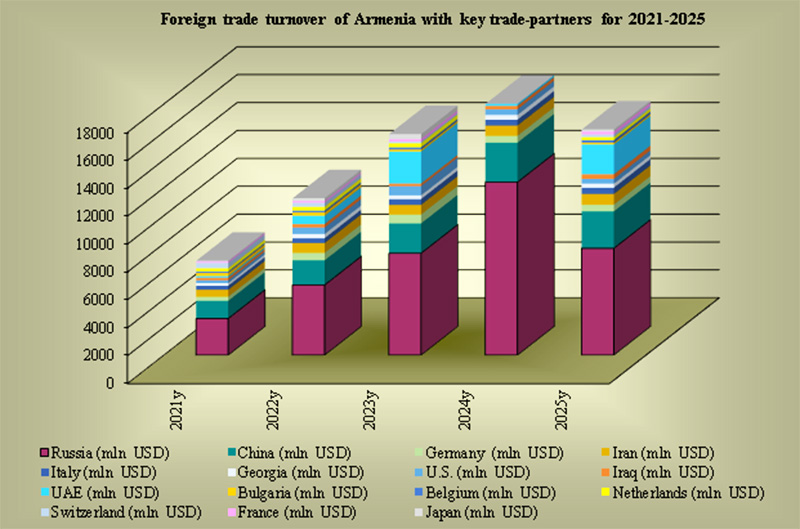
The review notes that the external sector situation remains uneven. "A significant contribution from external demand is noted in Armenia. In Kazakhstan and Tajikistan, exports are supported by favorable price conditions. Meanwhile, Belarus is experiencing a negative impact from weak external demand from Russia, while in Kyrgyzstan, exports declined primarily due to a sharp decline in gold supplies," the review continues.
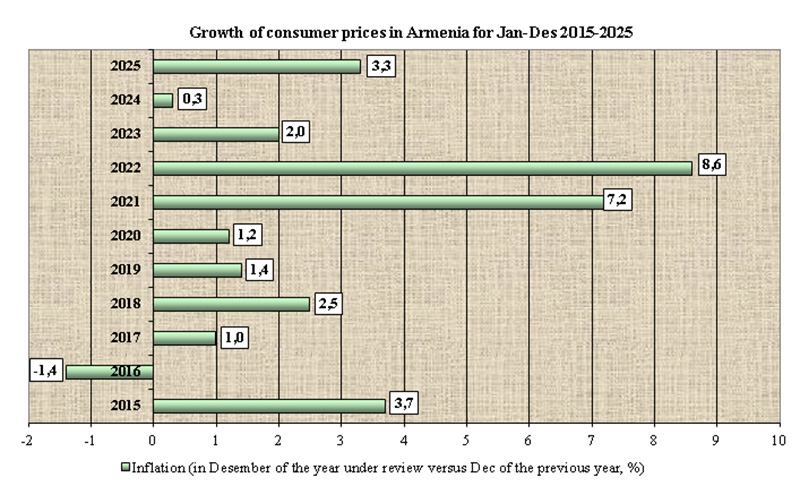
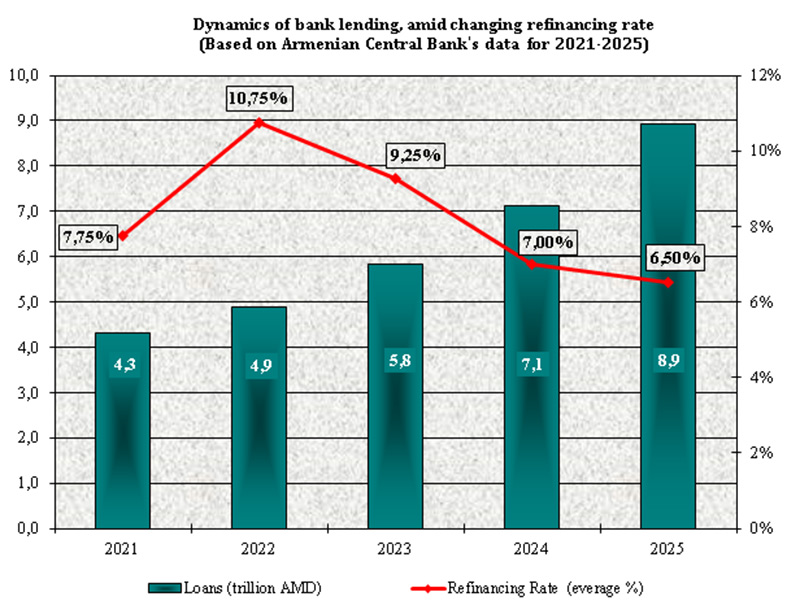
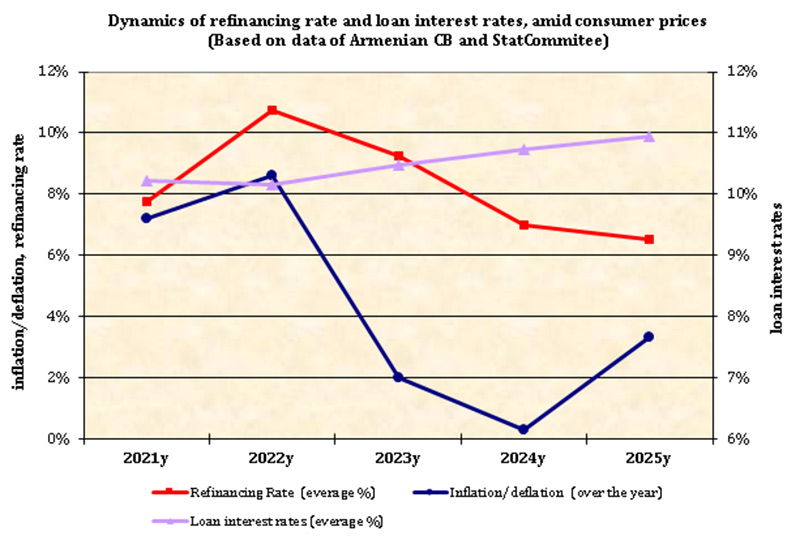
"Inflation trends in the countries of the region are developing in different directions. In Russia, Kazakhstan, and Belarus, inflationary pressure is gradually easing, while in Armenia, Kyrgyzstan, and Tajikistan it has intensified. The main drivers were rising global energy and food prices, as well as robust domestic demand. Consequently, inflation forecasts for the end of 2026 have been revised upward for Kyrgyzstan and Tajikistan," the EFSD review adds. The authors of the review noted that, amid changing inflation dynamics, the central banks of Russia, Kazakhstan, and Belarus have lowered interest rates, but monetary policy and signals from the Bank of Russia and the National Bank of the Kyrgyz Republic remain tight. The refinancing rate in Armenia and Tajikistan also remained unchanged, despite rising inflationary pressures. The National Bank of the Kyrgyz Republic has not raised its rate since February.
It is added that the region's currency markets remained generally stable. Most national currencies strengthened against the US dollar, following the Russian ruble, with the exception of Kyrgyzstan and Tajikistan, where the dollar exchange rate remained virtually unchanged. "At the same time, the weakening of national currencies against the Russian ruble in some countries has become an additional factor in inflationary pressure. Fiscal policies in the region also remain divergent. Russia continues to pursue a stimulative fiscal policy. In Kazakhstan, the formal improvement in the fiscal position was accompanied by a significant increase in quasi-fiscal investments. In Kyrgyzstan, according to our estimates, a significant portion of government spending was financed outside the budget. Armenia and Tajikistan are pursuing a restrained fiscal policy approach," the authors of the review concluded.