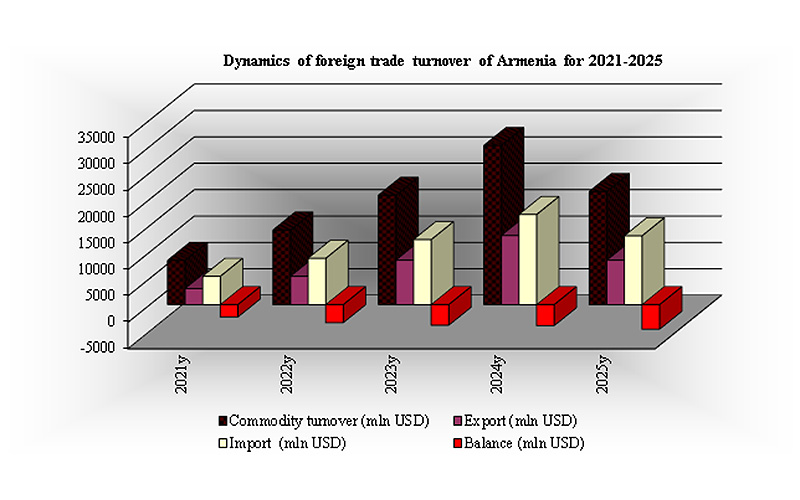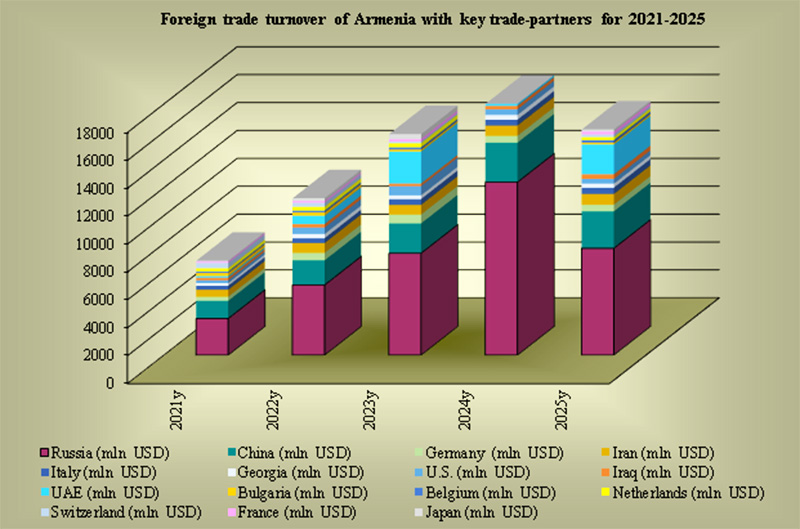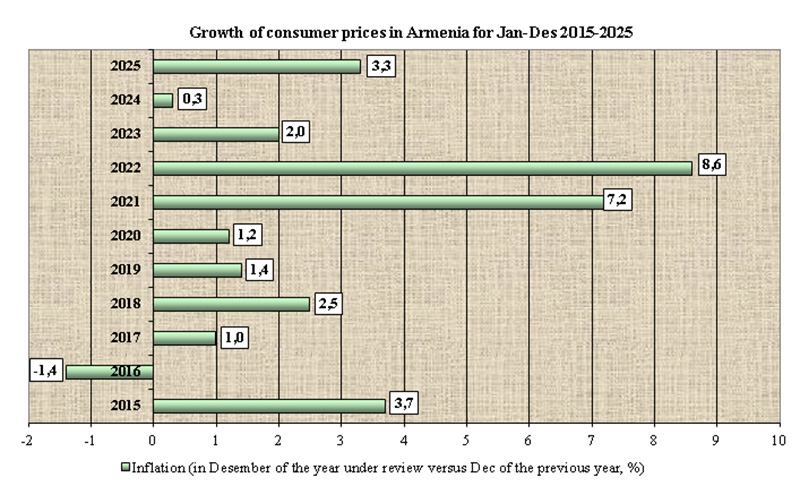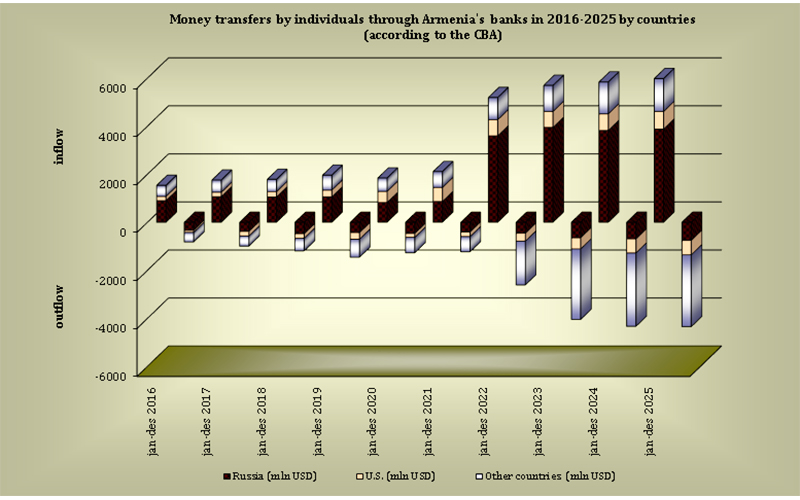


ArmInfo.When a country's economy relies for years on favorable external factors, re-exports, or the natural inertia of traditional foreign markets, while the management system strives for a "comfort zone," state budget revenues are generated not through increased productivity or the creation of new industries, but through inflationary revenues and tax collections from the current turnover of economic entities.
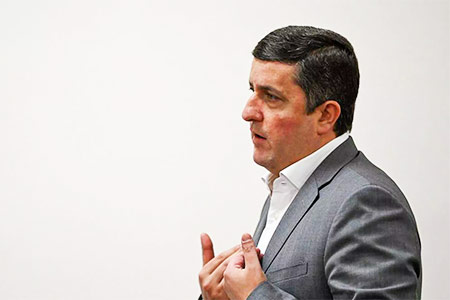
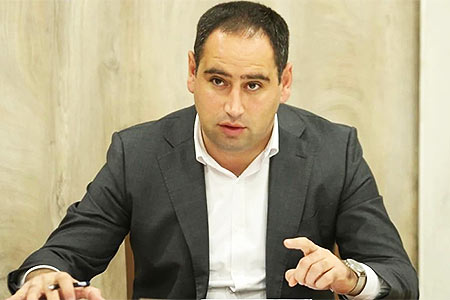
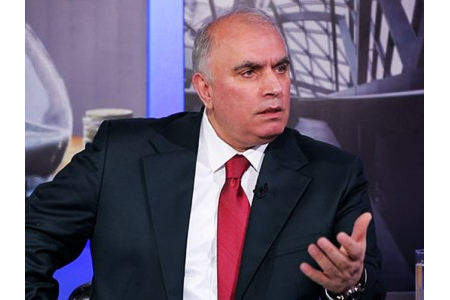
This opinion on the state of the Armenian economy was expressed by the well-known economist Hrayr Kamendatyan.
According to him, three main symptoms of crisis are observed in Armenia's economy. The first and foremost is the lack of scenario planning (stress testing). The expert is convinced that economic diversification is not just a statement. It implies alternative scenarios in case of force majeure circumstances. When Russian market channels or logistics chains (for example, Upper Lars or sanction regimes) are restricted, the state must have ready emergency response mechanisms. Specifically, this includes the availability of logistics subsidies for new markets (Europe, the Middle East, the Gulf countries) and accelerated quality certification systems (ISO, phytosanitary standards) so that local products can access other markets in a timely manner.
The second symptom is a deficit of crisis management. In force majeure conditions, the role of economic authorities is to protect the economic entity from capital and liquidity losses. When a standard administration acts instead of crisis managers, the opposite effect occurs: the state, seeing risks to budget revenues, begins to increase tax and administrative pressure on business, which further worsens the situation of the economic entity, creating liquidity problems.
And the third symptom of the crisis is the danger of a "predatory" administration. This occurs when the state apparatus lacks a long-term vision for expanding the economy (expanding the pie) and switches to tactics of redistributing or "extorting" the existing pie. Business falls under administrative pressure. Through tax audits, fines, and sanctions, conditions are created under which the economic entity is forced to give up assets or transfer them to other, sub-optimal subcontractors. On the other hand, business that is unable to withstand administrative pressure and the closure of foreign markets begins to lose liquidity.
According to the expert, to lift the economy out of the cycle of "inertial dependence," a radical transition to a liberal-institutional model is required. In this model, first, the role of the state is reduced from that of a "sequesterer/distributor" to more of a "promoter of productivity." Second, in such a situation, the inviolability of assets and the strict protection of property rights become an undeniable dogma. Any "raider" or administrative pressure destroys the investment climate. Third, the export strategy must be based not on accidental geopolitical windows, but on increasing competitiveness (product standardization, high value added, agricultural technologies).
The economist is convinced that the crisis has shown that without long-term planning and reliable institutions, any economic "boom" is merely the result of favorable external winds which, upon changing, collide with harsh reality.