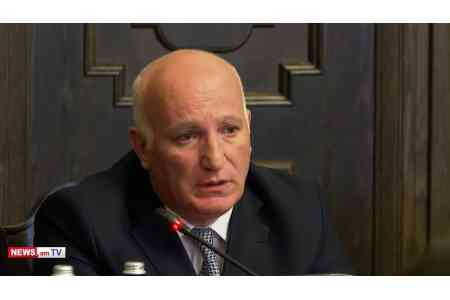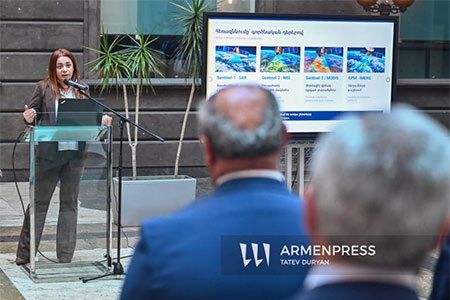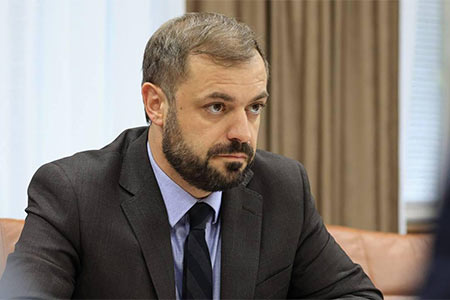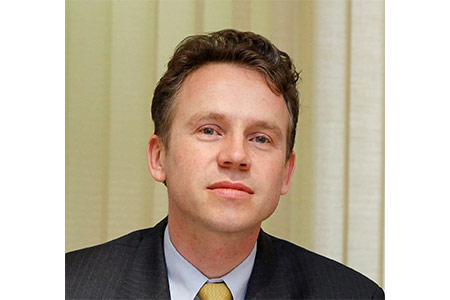


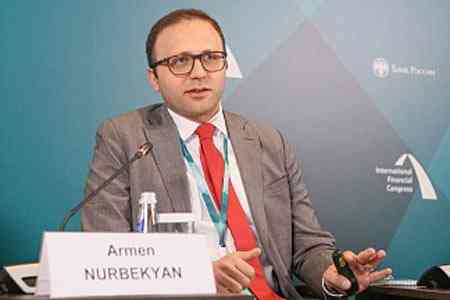
ArmInfo. Armenia's banking sector still lacks a well-established investment culture—for both private clients and large investors. This was stated by Armen Nurbekyan, Deputy Chairman of the Central Bank of Armenia, during a panel discussion at the second Investment and Financial Forum in Armenia entitled "Time of Opportunities: Armenia in the New Architecture of Global Markets."
In this context, he noted that the market needs financial intermediaries willing to actively promote these opportunities. "Our problem is not a lack of financial resources and funds, but a lack of interest," the Deputy Governor of the Central Bank noted.
Nurbekyan noted that the level of development of Armenia's capital market is insufficient, but significant growth in retail investment is already being observed. "We see potential, and people must understand that when it comes to innovation, there is also risk. Some view the capital market as safe, like banking assets, and I want to emphasize that risks are an integral part of all of this," he noted.
Speaking about investor confidence, or globally, Nurbekyan noted that Armenia, comparatively, is at its peak. "That is, if five years ago local investments were 0%, now they have reached 16%. We are talking about major investment players. And now it is crucial that we continue to strengthen this trust," he added.
At the same time, Nurbekyan emphasized the importance of continued infrastructure development. In this context, he noted that the economy should not be built solely through bank lending, but rather a comprehensive financial and economic infrastructure is needed. He noted that people come to Armenia and invest, therefore, the Armenian stock exchange should become more accessible to players from different countries and continue to grow. In this vein, the Deputy Chairman of the Central Bank spoke about cooperation with the Abu Dhabi Stock Exchange, which is a major step in the context of infrastructure development. "Many areas are already gaining momentum, particularly pension funds, and we see the exchange's growing importance," the Deputy Governor noted.
When asked how the Central Bank manages financial stability without hindering growth, Nurbekyan noted that innovation should not be hindered by regulatory processes, but rather should become a driving force. "I think we need to keep an eye on the private sector, as they are the source of new ideas and innovations. Large-scale growth of the private sector is a priority." "We are currently actively receiving proposals from the private sector, and we need to focus more on innovation than regulation," he emphasized.
It is worth noting that the 2026 forum will focus on practical areas for developing Armenia's investment and financial ecosystem, new opportunities for attracting capital, strengthening the country's competitive position in the context of global economic changes, and expanding Armenia's role in the international financial system.
The business program includes a plenary session and panel discussions dedicated to the development of capital markets, investment instruments, the role of financial institutions, the digital transformation of the financial sector, and human capital development.
Armenian and international experts will also discuss opportunities for Armenia's further integration into the global economy, mechanisms for attracting international capital, the country's potential as a regional financial hub, and expanding cooperation with international partners.
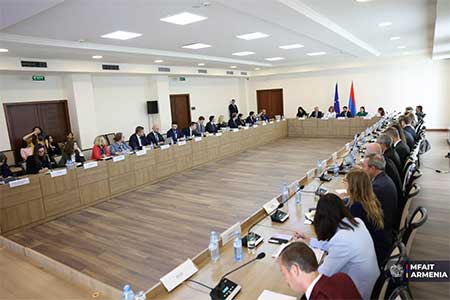
The forum brought together over 500 participants, including representatives of the government, financial, and business sectors, as well as the expert community.