


ArmInfo. Before reconsidering Armenian-Russian relations, it is necessary to clearly answer the question of who will pay the difference in the event of the loss of preferential gas prices: consumers, businesses, or the state from the budget? Vahe Davtyan, a doctor of political science and energy security expert, writes about this in his article.
According to him, Russian Foreign Ministry representative Mikhail Kalugin has already warned that if the alliance is revised, Armenia could lose its preferential prices for Russian gas.
"While we are still discussing the possibility, the economic consequences should be calculated today. Let me give you a few figures: in 2026, the average price for Russian gas exports is projected to be around $313 per 1,000 cubic meters. For Belarus, the price is $128.52, and for Armenia, $177.50. In both cases, the price has not increased." For China, the average price this year is estimated at approximately $248, while for Turkey and several European countries, it's $562. In the latter case, the increase compared to the previous year is approximately 38%, or more than three times higher than the price in Armenia.
Of course, these are different contracts and supply conditions, but the size of the difference is quite significant," the expert noted.
He also pointed out that gas prices continue to rise in Russia itself. A further 27% increase is planned for domestic consumers over the next three years. Under these circumstances, the price supported for Armenia is an important manifestation of the economic dimension of political relations.
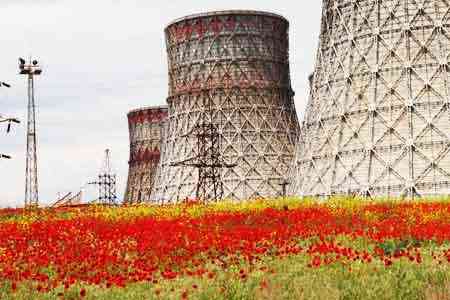
"Now the most important thing for us. From January to August of this year, 42.2% of electricity generated in Armenia came from thermal power plants. This means that increasing gas prices will also lead to higher electricity costs. This will then put pressure on tariffs, production, food prices, and family budgets. Therefore, before reconsidering relations, we need to clearly answer: who will pay the difference if the preferential price is lost? The consumer, the business, or the state from the budget? For Armenia, this is a strategic risk, from energy to social stability," Vahe Davtyan stated.
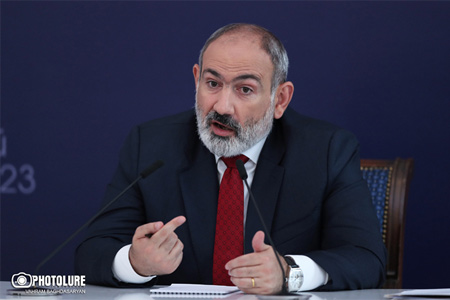
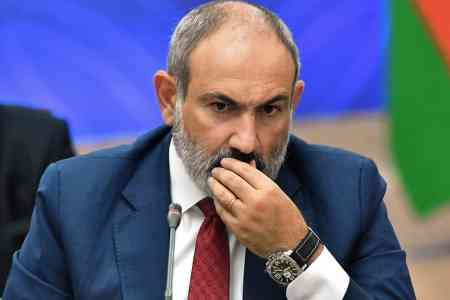
As a reminder, RA Prime Minister Nikol Pashinyan previously noted that the Armenian side has not yet received any signals about a possible change in the price of natural gas supplied from Russia. He also noted that the government is considering various scenarios should the situation change. "Are we considering how we will manage this situation if it develops? Yes, we are considering it, because this is nothing new. Since 2018, I have been confronted with this reality every year, because these questions are constantly raised. We are discussing various scenarios related not only to this, but to everything. It is the government's role to make calculations," Pashinyan stated.