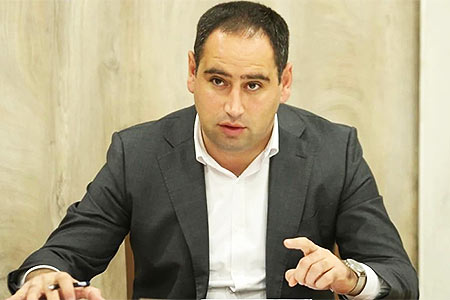


ArmInfo. Alexey Kuznetsov, Head of the Economic Analysis Department of the Eurasian Development Bank (EDB) forecasts a significant decrease in the growth rates of the economies of Armenia and Tajikistan relative to the indicators that were previously expected.
Nevertheless, the recession in these countries this year will be more moderate compared to most other Bank's participant countries. In his opinion, this is also due to the high growth potential in Armenia and Tajikistan. Without taking into account the current situation in the economy, without the shocks that are present now, we estimated the GDP growth rates of these countries for 2020 at about 6-7%, which is significantly higher than the regional average. In 2021, Armenia and Tajikistan will remain the leaders in economic growth. It should be noted that, as stated in the material prepared by the EDB Directorate for Analytical Work, ''EDB Macro Review : Updated Forecast'', it is projected that economic activity in Armenia, Belarus, Kazakhstan, Kyrgyzstan, Russia, and Tajikistan will begin to recover in the second half of 2020 and this process will continue over the next two years.
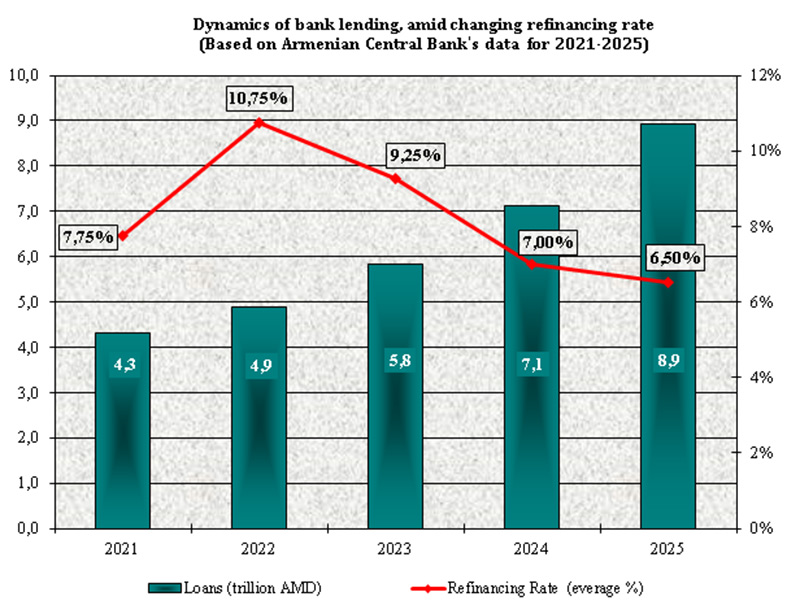
EDB believes that the regional economies will be supported by large-scale measures by the authorities in the field of fiscal and monetary policy. Their implementation will help smooth out the negative economic and social consequences of the COVID-19 pandemic and create conditions for the normalization of economic activity as the epidemiological situation improves. The functioning conditions of the EDB member countries changed significantly in late March - early April 2020. The tightening of quarantine in the countries with the largest economies as a result of the COVID-19 pandemic has led to a reassessment of global growth prospects in the direction of deterioration. The unprecedented measures to curb the spread of the disease, taken by the authorities of most countries - members of the Bank, along with a drop in external demand and commodity prices, have a significant impact on economic activity in the region. In this regard, the EDB updated macroeconomic forecasts taking into account the action of the indicated factors.
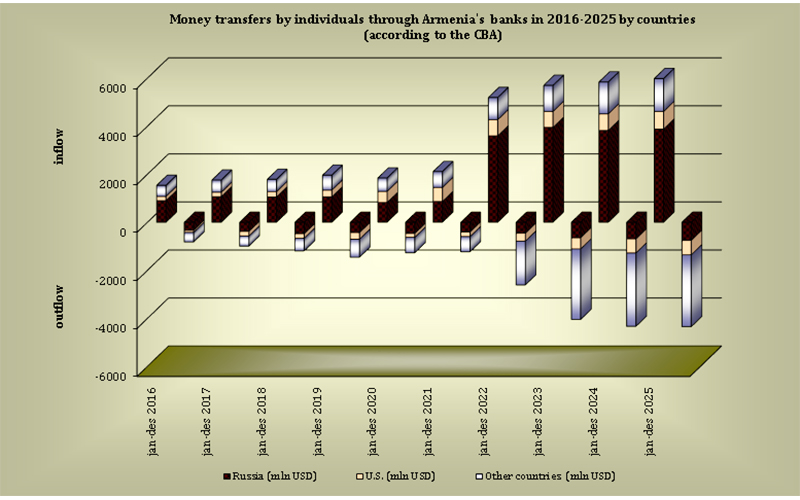
EDB analysts identify two main groups of COVID-19 pandemic's impact channels on the economies of the member countries of the Bank. The first group of channels is associated with a complication of the external economic situation, which is manifested in a weakening of export demand for the region's countries, a decrease in revenues from supplies of raw materials abroad due to falling prices, disruption of global value chains, a decrease in remittances, a deterioration in business sentiment, as well as toughening financial conditions. According to estimates by EDB experts, the loss of GDP of the member countries of the Bank from external factors may reach about 2% in 2020. The second group of channels is associated with internal restrictive measures introduced in a number of states in the region to curb the spread of the disease. Their effect is manifested in a decrease in the production indicators of a large number of economic sectors, primarily those related to the service sector. The loss of annual GDP of the EDB member countries from the month of self-isolation is estimated by the Bank's analysts at about 1.5-2%.
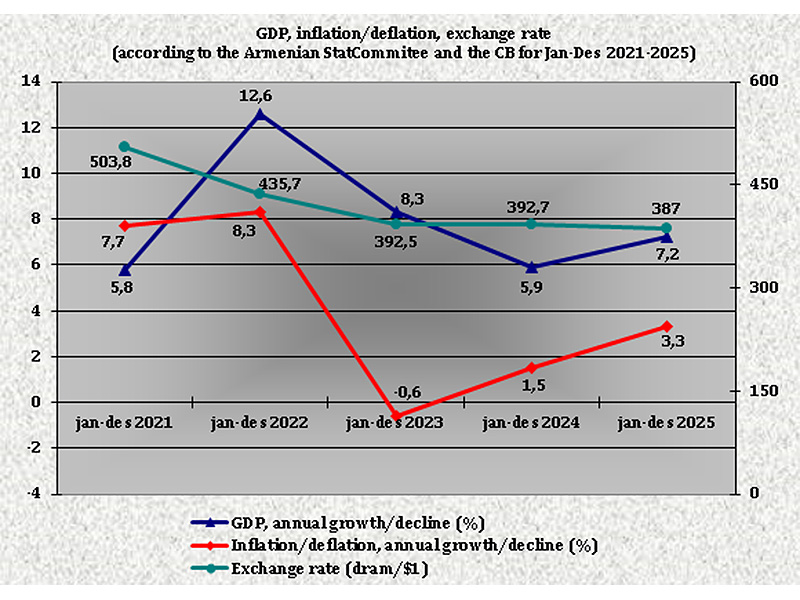
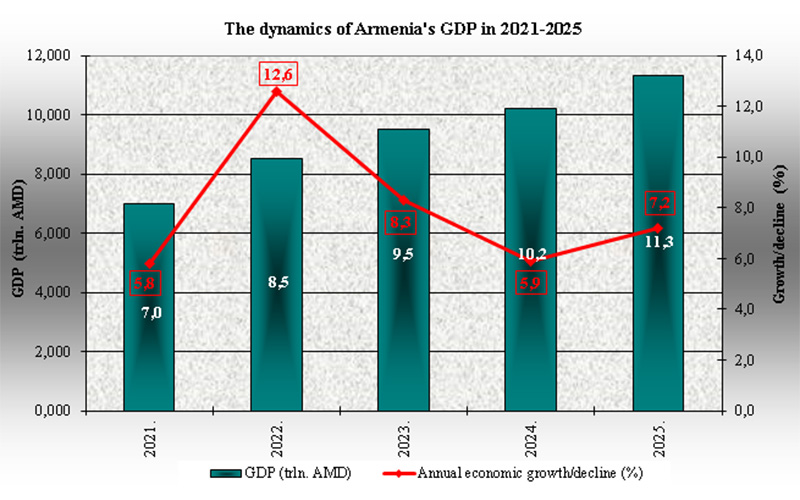
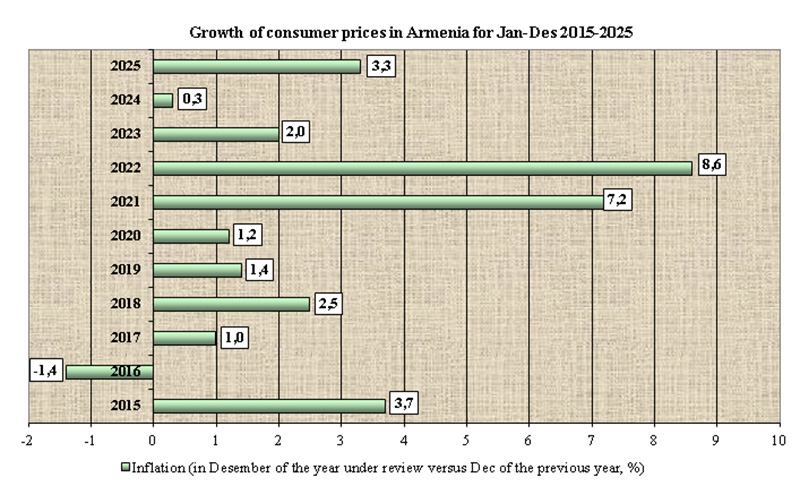
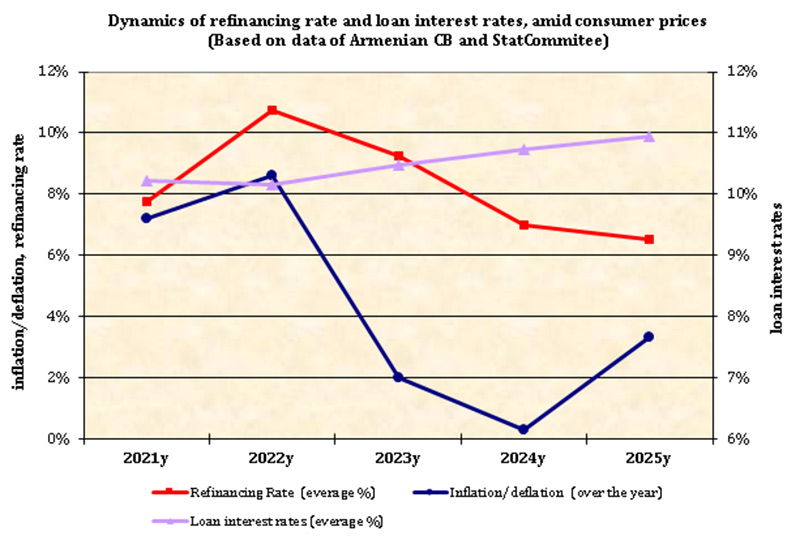
The review notes that under the influence of these factors, the aggregate GDP of the EDB member countries will decrease by 2.2% in 2020 after an increase of 1.7% a year earlier. In Russia, Kazakhstan, Belarus and Armenia, output is expected to fall by 2.3, 1.0, 3.3 and 1.7%, respectively, and in the Kyrgyz Republic and Tajikistan - a significant slowdown in its growth rate to 0.1 and 5.5 % respectively. The weakening of national currencies in the first quarter of this year will put pressure on the value of imported goods, which will serve as a key factor in accelerating inflation in most countries of the region in 2020. The impact of exchange rate dynamics on the prices of goods and services, according to the Bank's analysts, will be limited, including due to a decrease in the effect of the exchange rate transfer on inflation in most EDB member states in recent years. In addition, the projected weakening of domestic demand and lower prices in countries that are major trading partners will have a significant disinflationary effect. The greatest impact of these factors is expected in 2021, which will lead to a significant slowdown in inflation in most EDB member states and may lead to a softening of monetary policy.
EDB experts note that the uncertainty of economic development prospects in the world and in the countries participating in the Bank remains high. The macroeconomic forecast for the states of the region critically depends on the nature of the course of the COVID-19 pandemic. The probability of deepening negative trends in the global economy remains, which may serve as a trigger for a further fall in prices for key export goods of the Bank's member countries. The epidemic situation in the states of the region is difficult to predict, which does not allow us to speak with full confidence about the imminent lifting of quarantine measures. If these risks are realized, the EDB forecasts for GDP growth may be revised.