


ArmInfo.A week earlier, Deputy Chairman of the Central Bank of the Republic of Armenia Nerses Yeritsyan, presenting this legislative initiative in the Parliament, noted that the need to introduce such a register comes from the global standards for combating money laundering and the financing of terrorism. In the future, these changes, according to him, will allow to develop innovative ideas related to the automation of bank accounts of citizens, the introduction of electronic money, etc.
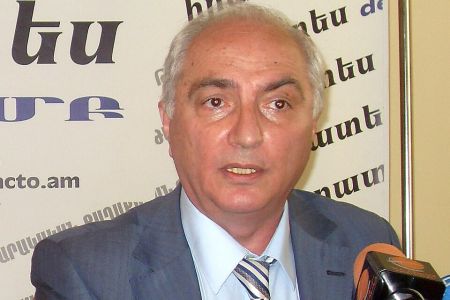
Former Armenian Economy Minister Karen Chshmarityan harshly criticized the idea, saying that with the adoption of amendments to the law on the Central Bank, a possible outflow of large investments from the country is not excluded. "What about financial security and banking secrecy, the independence of private banks and ensuring their regional competitiveness? Are these useless, clueless functions? And what happened to the ambitions to develop the country's financial system as a regional financial center? What, all this is forgotten in favor of globalism?> - said Chshmarityan, noting that Armenia is far from the European standard of living and therefore "it is not necessary to adapt the Rolls-Royce engine to your own dream". . However, according to Atom Margaryan, ideally, all financial flows should be "visible" to law enforcement agencies, and, if necessary, rbe in the field of view of the tax authorities. "If one of the parties violates the law-abuses its powers, does not ensure the safety of information about bank accounts of clients, etc. - then the law will protect the rights of the Bank's client," he explained.
The expert advises not to be afraid of capital outflows and investments. Every investor, according to him, should understand that his finances will be studied "under the microscope", and he just needs to justify the etiology of funds. "It turns out that a current or former official suddenly builds a house for a million dollars, invests huge amounts of money in his business, and no one has the right to ask him where such money comes from a person who has worked for the state all his life," Margaryan said.
In this context, according to the economist, such initiatives of the financial regulator should be welcomed, and ordinary citizens who are able to justify the source of their income, if necessary, should not reflect unnecessarily. And for those who cannot confirm the legality of their income, Margaryan suggests giving them a chance to "pay off". For example, a third of the illegally accumulated money should be paid to the budget, and the rest should be invested in a joint-stock business, in which the state will act as the holder of part of the shares.
The Central Bank's initiative to create a Centralized Register of Bank Accounts is linked to Armenia's obligations under the EU - Armenia Partnership Agreement (CEPA), which entered into force last month. It concerns the so-called < Fifth AML Directive (Anti-Money Laundering Directive)> The European Union, which entered into force on 10 January 2020. This is a new measure to prevent money laundering attempts, including through the market of cryptocurrency services, exchange offices and exchanges.
According to some experts, this directive may scare off investors who launder money in developing countries. But on the other hand, from the point of view of the state of the economies and the investment environment, third countries that are part of the association relations with the EU still need additional, if not quite "legal", incentives for development.