

ArmInfo. Moody's Investors Service ("Moody's") has today affirmed the Government of Armenia's Ba3 local and foreign currency long-term issuer ratings and foreign currency senior unsecured rating. The outlook remains stable, the relevant statement is published on Moody's website.
The affirmation of the Ba3 ratings is driven by the credit profile's resilience to the significant shocks of the coronavirus pandemic and geopolitical and domestic political tensions, and Moody's expectations that growth and fiscal strength will recover over the medium term. The fiscal profile in particular has proven resilient and will stabilize over the medium term, with debt consolidation expected from 2021 onward as growth and revenue rebound, and as the government adjusts expenditure downward in line with fiscal rules. Meanwhile, Moody's assesses that the 2020 ceasefire agreement with Azerbaijan and the June snap parliamentary election have reduced near-term political risks, supporting economic recovery and minimizing the impact to Armenia's fundamental growth outlook. External deficits drive currency valuation risks that can transmit to fiscal strength and financial stability, although external buffers have increased to withstand these potential shocks.
The stable outlook reflects balanced risks to the Ba3 rating. While a developing track record of policy effectiveness supports the development of a diversity of higher productivity sectors, growth potential remains constrained by demographic pressures and the small scale of the economy. Upside risk stems from more effective reforms that contribute to sustained growth at higher rates than Moody's currently assumes over the medium term. Event risk remains the key source of downside risk due to geopolitical tensions with neighboring countries, and external vulnerability and banking system risks resulting from the high share of foreign-currency debt, structural current account deficits, and a highly dollarized banking system. Armenia's local and foreign currency country ceilings remain unchanged at Baa2 and Ba1, respectively. The four-notch gap between the local currency ceiling and the sovereign rating reflects a balance between the government's small footprint in the economy and strong institutions, and geopolitical tensions with neighboring countries and external deficits that expose the economy to external shocks. The two-notch gap between the foreign currency ceiling and the local currency ceiling incorporates Moody's assessment of Armenia's policy effectiveness and transfer and convertibility restrictions in times of stress.
RATINGS RATIONALE
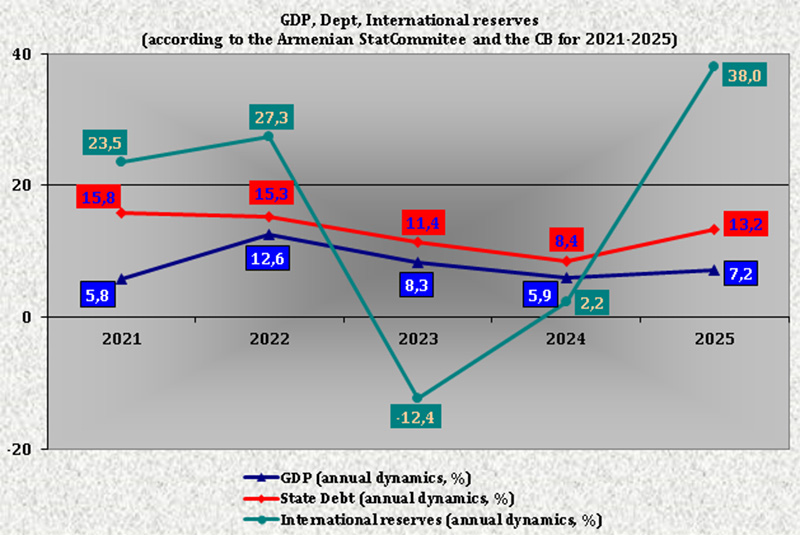
The pandemic-induced shock to domestic and external demand led to a 7.4% contraction in real economic output in 2020, among the most severe downturns among sovereigns in Central Asia and the Caucasus region. With declining revenue and higher expenditure on coronavirus-related relief measures, the government triggered an escape clause in its debt management framework and suspended a fiscal rule that prescribes public debt reduction to below 60% of GDP within five years. Armenia's fiscal deficit widened to more than 5% of GDP while government debt rose to 63.5% of GDP in 2020 from 50.1% in 2019. Moody's expects a recovery in the economy and an adherence to the authorities' expenditure plan to support a lowering of debt to below 60% GDP by 2022, in line with the median for Ba3-rated peers. Moody's expects the authorities to gradually reduce expenditure to 28% of GDP by 2022 from 31% of GDP in 2020 to reflect lower costs associated with pandemic-related social assistance and the re-allocation of expenditure savings from unspent funds for capital investment. Revenue is likely to be stable as a share of GDP around 25% of GDP over the medium term, reflecting pre-pandemic revisions to the tax code that are likely to increase income and property tax collections, and will benefit from grant assistance from international partners including the European Union.
While not Moody's baseline scenario, there remains some risk of fiscal slippage depending on contingencies such as the further flare-up in geopolitical risks or rising demands for social expenditures to address subsequent waves of coronavirus infections. However, Moody's expectation is for the authorities to prioritize debt consolidation through 2024, with debt to GDP declining to 54% of GDP by 2024. While the level of public debt has increased, the fiscal profile will be underpinned by a continued emphasis on long-dated external concessional borrowing, occasional Eurobond issuance, and increasingly, a focus on domestic financing sources, that will support lower interest costs relative to Ba3 peers. Accordingly, Moody's expects debt affordability to remain a credit strength, with interest payments as a share of GDP remaining low at below 2.5%, and interest payments as a share of revenue at around 10%. Even with a greater emphasis on domestic borrowing, the authorities will likely maintain access to a broad array of external financing sources, primarily on concessional terms from multilateral and bilateral lenders.
GROWTH POTENTIAL RESILIENT TO PANDEMIC AND POLITICAL TURMOIL
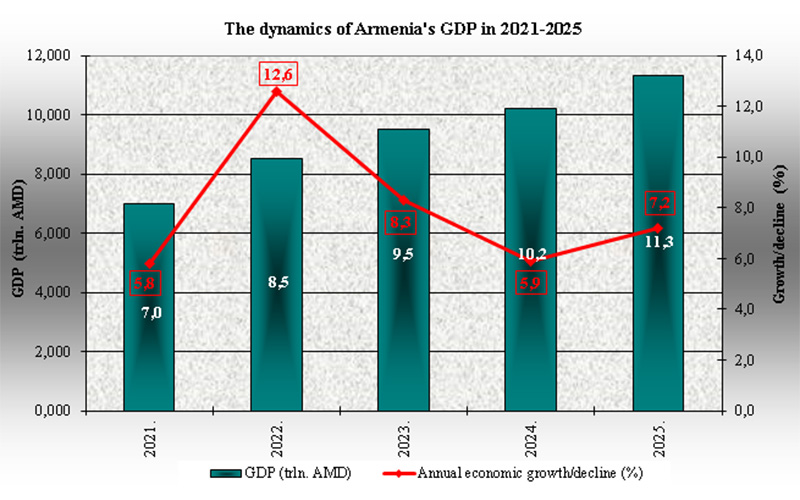
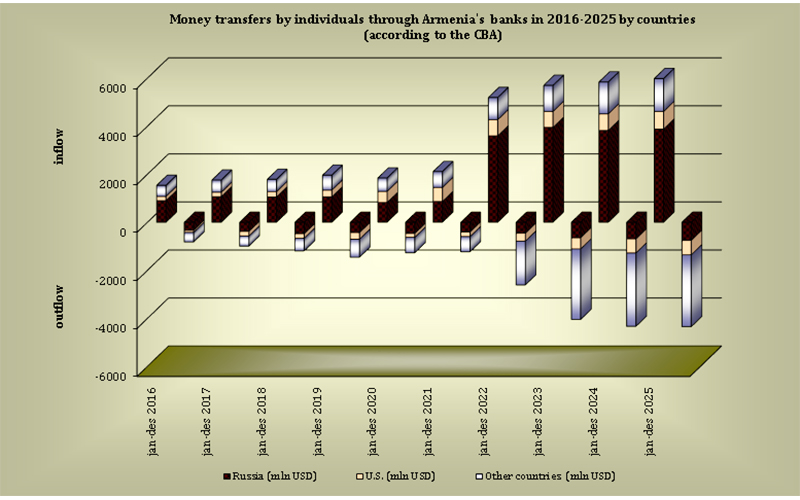
Moody's expects a broad-based growth recovery over the next 12-18 months resulting from reduced lockdown measures driving private consumption and investment, robust external demand and the return to pre-pandemic levels of remittance inflows that will support consumption and savings. Moody's forecasts real GDP growth of 4.5% in 2021, reflecting a rebound in activity in manufacturing, agriculture and mining, offset by continued weakness in services sectors such as tourism, which accounts for 13% of GDP, according to the World Travel and Tourism Council.
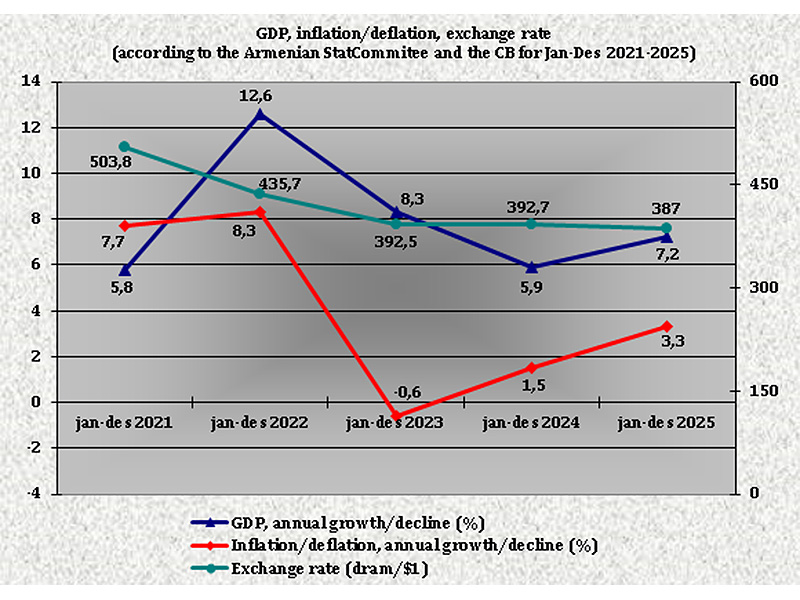
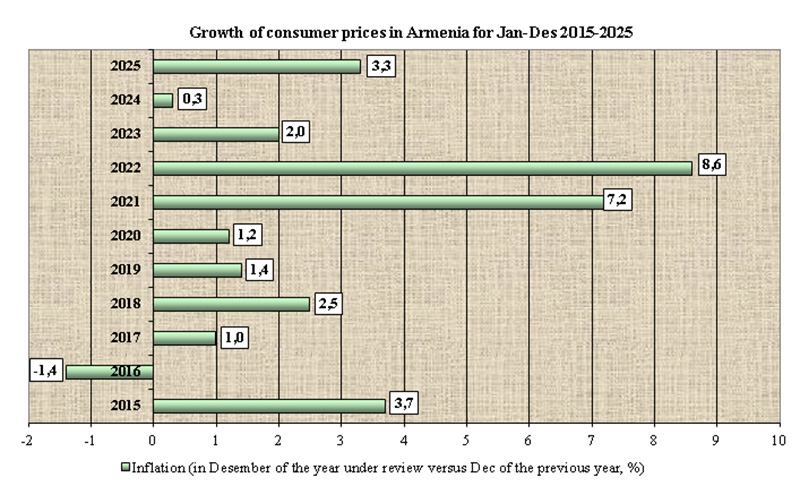
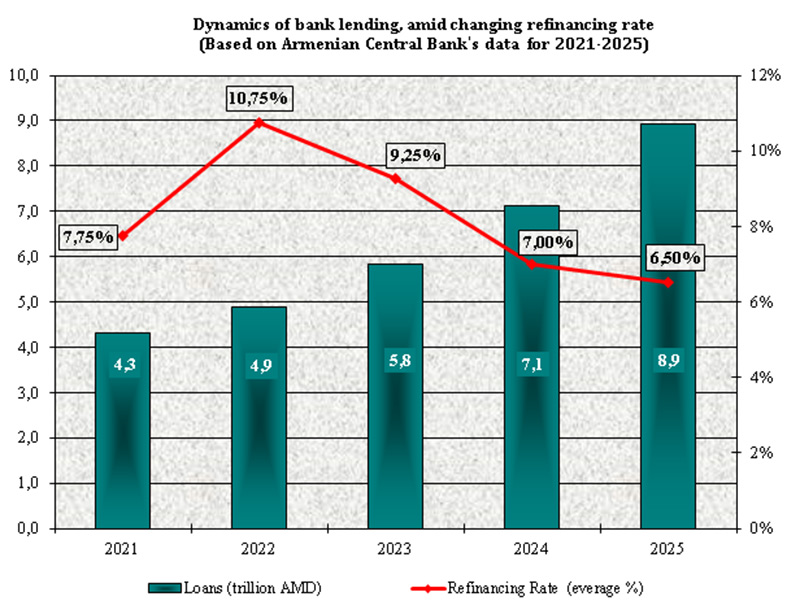
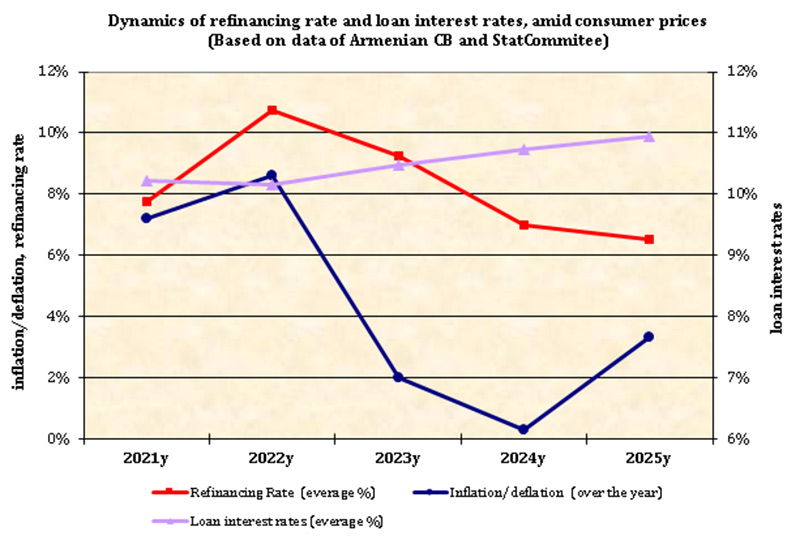
Downside risks also relate to the risk of additional waves of coronavirus infections that would weigh on domestic activity, as well as reducing the prospects of a rapid rebound of the tourism sector. As of late August, just 5% of Armenia's population has received at least one vaccine dose, risking future spikes in infections. An uptick in inflation has also prompted several policy rate hikes by the Central Bank of Armenia since late 2020. However, these pressures are likely to dissipate in 2022 through base effects and moderation of inflation expectations, fostering a more pronounced recovery in real growth to 7.5%. Investments will also continue in nascent, higher productivity sectors that will reduce Armenia's reliance on physical commodities, including tourism and information and communication technology (ICT). These sectors are poised to drive productivity and income growth over the medium term, although they may encounter labor and skills shortages due to Armenia's small population and declining labor force. ICT in particular remained a stable source of services export revenue through the pandemic. The industry intends to pivot toward increasing technical capacity in higher value offerings including artificial intelligence and semiconductor design.
Despite near-term headwinds, Moody's expects tourism to be a key source of growth over the medium term. Accordingly, the government has announced plans to launch a national discount airline that will be part of a broader strategy to encourage tourism as well as improve Armenia's broader connectivity, given its landlocked geography and the limited transportation and economic ties with several of its neighboring countries.
EXTERNAL DEFICITS, INFLATION AND BANKING SYSTEM DOLLARIZATION CONTINUE TO POSE
EXTERNAL VULNERABILITY RISKS
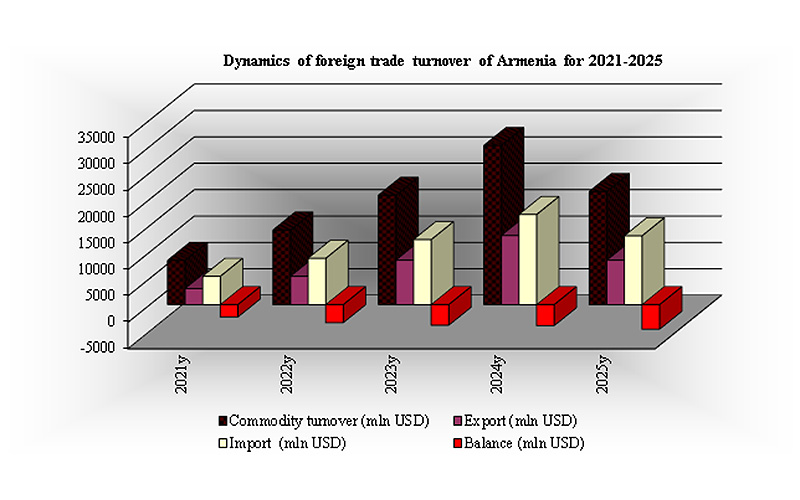
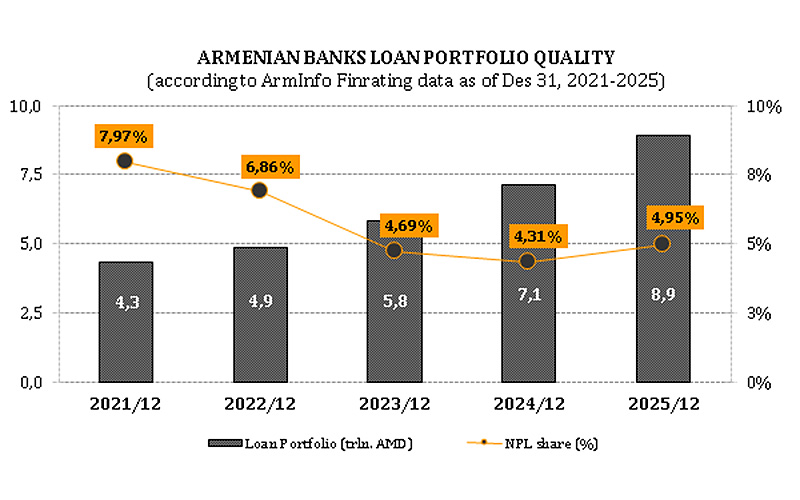
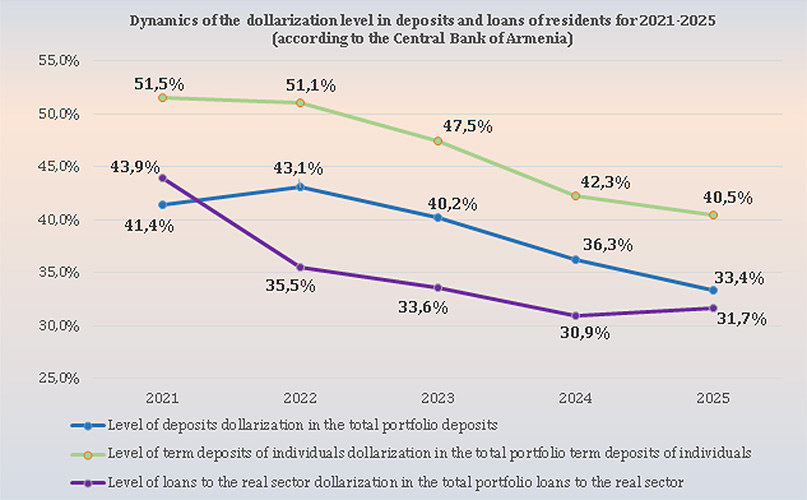
Moody's expects Armenia to sustain current account deficits of between 4% and 5% of GDP through 2022, resulting from improving domestic demand, rising oil prices and the real appreciation of the dram acting as a drag on exports. Deficits are likely to remain predominantly financed by debt portfolio inflows, both commercial and concessional, and bank liabilities, while foreign direct investment (FDI) inflows will rebound gradually. FDI inflows have been volatile and low as a share of GDP relative to Ba3 peers, at 1.9% of GDP on average between 2014 and 2019. The significant share of external public debt (75% of total public debt) and dollar-denominated bank loans will keep Armenia's External Vulnerability Indicator, the measure of short-term external liabilities as a share of total foreign exchange reserves, above 100% through 2023. Moody's expects Armenia's large external deficits to drive the credit profile's susceptibility to event risk. These risks can manifest from a sudden depreciation of the dram exchange rate or shifts in geopolitical risks, which can result in inflation volatility and affect the debt trajectory and financial stability, due to the sensitivity of government debt to currency fluctuations and the high level of dollarization in the banking system. While the ongoing economic recovery is set to stabilize asset quality and liquidity conditions, the ongoing risk of foreign-currency deposit outflows will continue to pose banking system risks. Nevertheless, Moody's expects a healthy reserves position and a moderate level of external debt service over the next four years to ease pressures on the foreign exchange reserves buffer. The International Monetary Fund's increased SDR allocation, along with the February 2021 issuance of a $750 million Eurobond, will also boost Armenia's reserves in 2021.
ENVIRONMENTAL, SOCIAL, GOVERNANCE CONSIDERATIONS
Armenia's ESG Credit Impact Score is moderately negative (CIS-3), driven primarily by moderately negative social and environmental risks, and low governance risk that is underpinned by a track record of policy effectiveness and institutional reforms.
Armenia's exposure to environmental risks is moderately negative (E-3), reflecting the country's moderate exposure to heat and water stress, sizeable agricultural sector and its landlocked geography and small land area, with low exposure to pollution, water constraints, and carbon transition risk, given the economy's low dependence on hydrocarbon revenue and exports. Armenia's score is largely in line with regional neighbors. Armenia's social risk exposure is moderately negative (S-3) and is driven by demographic challenges including a small, aging population and a high level of youth unemployment that may act as a drag on long- term potential growth. High emigration by higher skilled Armenians supports inbound remittances, a mitigating factor, but also exacerbates demographic dynamics. The pivot to higher productivity services sectors including information technology may help to mitigate these risks. Moderate risks stem from similar levels of housing and health care provision, life expectancy, and access to basic services observed in other sovereigns in the region.
Armenia's governance risk exposure (G-2) is neutral to low, reflecting the relative strength versus peers in economic policymaking, with a track record of fiscal and monetary prudence, and initial progress toward institutional reforms. Ongoing challenges include the control of corruption and rule of law compared to peers, although perceptions have recently improved and institutional reforms to address these issues, in large part with international technical assistance, are among the government's top priorities. The banking system's large size and significant dollarization level pose challenges to the effectiveness of macroprudential and regulatory policies to mitigate risks to financial stability. The issuer's fiscal or financial strength, including its debt profile, has not materially changed. The issuer has become increasingly susceptible to event risks.
FACTORS THAT COULD LEAD TO AN UPGRADE
Moody's would likely upgrade the rating in the event of further reforms that were to raise economic competitiveness and institutional credibility and effectiveness beyond Moody's current expectations. This would in part materialize through greater levels of private investment, reduced banking system risk, and increased transparency of and trust in institutions, including in the judiciary. A structural narrowing of the current account deficit and improvement in Armenia's external position, including through higher competitiveness and foreign direct investment, would also contribute to upward pressure on the rating. An increase in government revenue arising from fiscal reforms beyond Moody's expectations, that would support the government's debt carrying capacity, would additionally put upward pressure on the rating.
A durable easing of tensions with neighboring countries that leads to a material reduction in geopolitical risks and greater economic connectivity would also be credit positive.
FACTORS THAT COULD LEAD TO A DOWNGRADE
Moody's would likely downgrade the rating if there was a loss of reform momentum, which would likely transpire through weaker confidence in institutions and fiscal slippage removing prospects that the government debt burden will decline over the medium term.
An increase in external vulnerability risk, such as a sustained increase in current account deficits that resulted in declining foreign exchange reserve adequacy and/or significant depreciation of the local currency, would additionally contribute to macroeconomic and financial stability risks and put downward pressure on the rating. An escalation of tensions with Azerbaijan over the Nagorno-Karabakh territory and border demarcation into full-scale conflict would also put negative pressure on the rating.