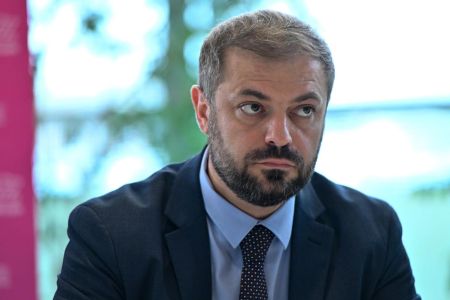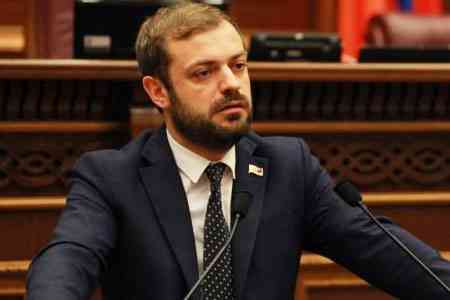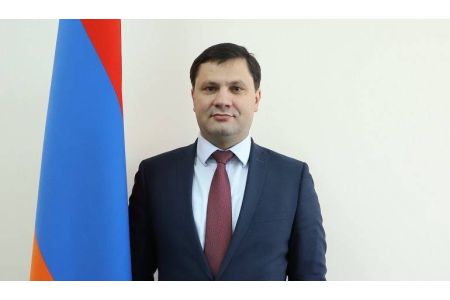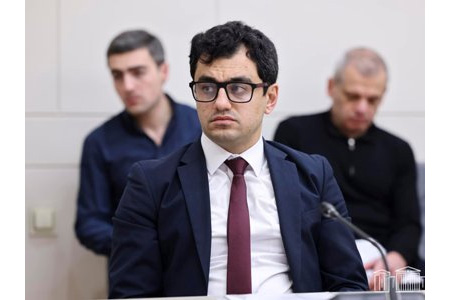
ArmInfo.The expected next increase in tariffs for gas consumed by subscribers is by no means due only to the need to bring the calorie content of gas into the norm stipulated by the agreements. Expert on energy security, doctor of political sciences Vahe Davtyan expressed a similar opinion to ArmInfo.
"This calorie content is a 7900 kcal, while the gas imported to Armenia from Russia, according to Gazprom Armenia, has a calorie content of 8300-8500 kcal. But according to all this, the same agreement of 2013, there is a second factor, which is the need to ensure the profitability of this company at 9%. This explains the periodic appeals of "Gazprom Armenia" to PSRC with a request to increase domestic tariffs, which were only partially satisfied by the regulator. "It is clear that in such conditions the company has to apply to the PSRC with the same request, which, in fact, it is doing now, proposing to increase the tariff by 6%," he said.
Thus, according to Davtyan, the root of the problem lies in the unwillingness of the Armenian authorities to raise the issue of the need to revise this rate of return in the gas negotiations of all recent years. According to him, Yerevan has never raised this issue. Moreover, in the expert's opinion, the current situation is a consequence of the absence, in fact, of negotiations between Moscow and Yerevan, which have always been replaced by communication, in which the second one always accepted the proposals of the first one.
Given the domino effect of the expected 6% increase in gas tariffs for electricity generated by thermal power plants, which accounts for 40% to 56% of the country's total electricity generation, Davtyan forecasts periodic increases in tariffs for both gas and electricity. The situation was not improved by the decision of the Armenian government on the annual payment of $31.79 million to Gazprom Armenia as a payment for the capacity of the 5th power unit of the Hrazdan TPP, although it was expected that this decision would allow to restrain gas tariffs for Armenia. In the expert's opinion, The latter is evidence of the complete failure of Armenia's energy policy as a whole.
In the expert's opinion, the same expected from February 1 next, the second in a row for the last year, growth in electricity tariffs is a reflection of the crisis and serious systemic risks in the country's energy system. Based on the current situation in the country's economy and energy system, Davtyan considers the increase in tariffs reasonable and therefore justified. Moreover, according to his forecasts, this process will continue in the near future. The reasons are the same rise in gas prices, surpluses in the electricity system of Armenia in the conditions of its exposure to an impressive debt burden. The latter, according to various estimates, has collectively reached a billion dollars and continues to grow. According to Davtyan, the surplus of generated electricity is a consequence of the lack of real opportunities for its export, which is accompanied by negative trends in domestic consumption.
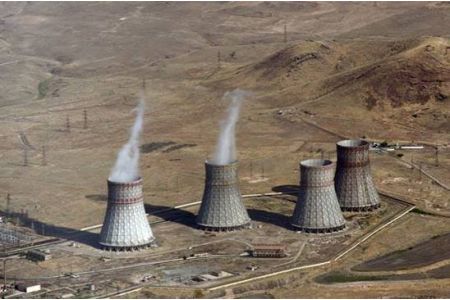
"Under such conditions, it is possible to pay off the debts formed as a result of all this only through such unpopular measures in the form of another increase in tariffs. Here I would like to remind you that as a justification for the increase, PSRC, among other things, mentioned the payment of the debt formed as a result of the modernization of the Armenian NPP, which is largely due to its long downtime since January 2021. So what is happening is the result of a chain of incorrect, uncalculated decisions and steps taken by the authorities. Not to mention the macroeconomic consequences of the expected rise in gas and electricity prices in the form of rising consumer prices and the forced curtailment of some sectors, first of all, in the field of small and medium-sized businesses," the expert summed up.