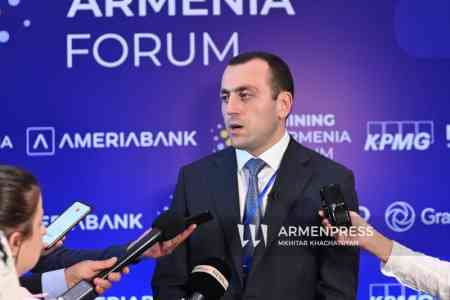



ArmInfo. Due to the revaluing of the dram Armenian developers are losing up to 25% of their income. Artak Andreasyan, a member of the Council of the Association of the Armenian Developers, stated this during a press conference on July 18.
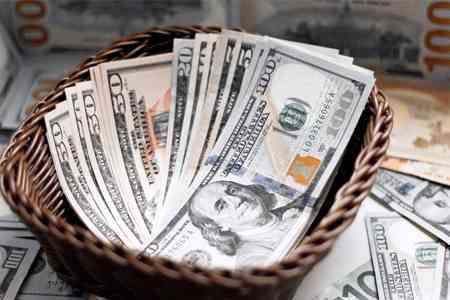
In this vein, he explained that developers bought materials for their work, the cost of which depended on the dollar, including metal and cement. <For example, the metal was purchased at a time when the dollar was equal to 525-530 drams, and the construction has already reached a progressive level. Dram suddenly reevaluated- as a result, according to the concluded agreements, developers lose up to 20-25% of income. Show at least one business area where, with such long-term losses, the business would survive?", said the entrepreneur.
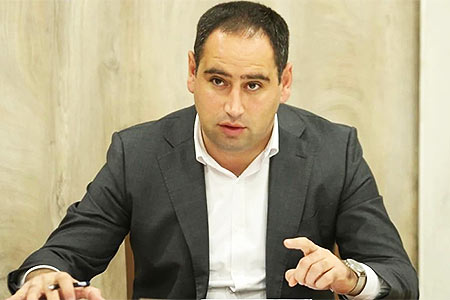
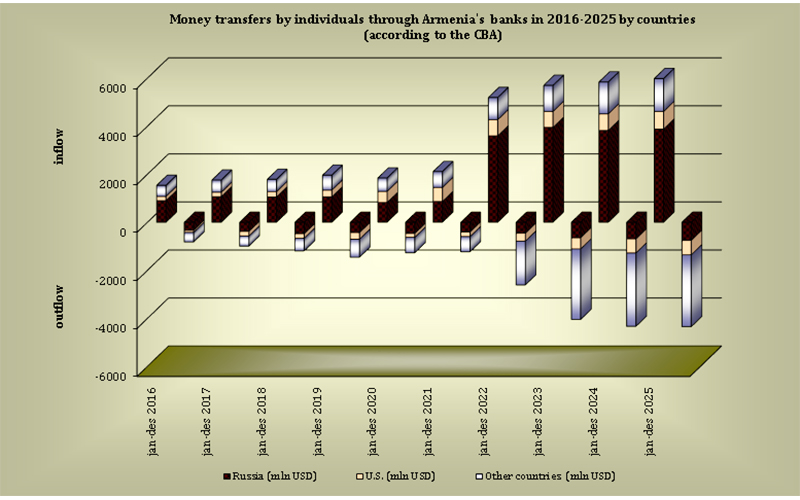
Noting that the Central Bank is responsible for ensuring price stability, Andreasyan, referring to the statement of the Regulator, noted that the situation is due to a large influx of foreign currency to the Armenian market. "Many citizens of the Russian Federation and Ukraine came to us. We're not saying it's bad. They live here, spend their currency, that's good, we don't complain. But this is abnormal growth, this is toxic growth that threatens our economy. The Central Bank says that it is not in a position to fight against it alone. While we want to understand who should fight and what else should it do?" According to him, the approaches of the Central Bank and the government to this problem are reminiscent of a popcorn eater who sits and watches a horror movie.
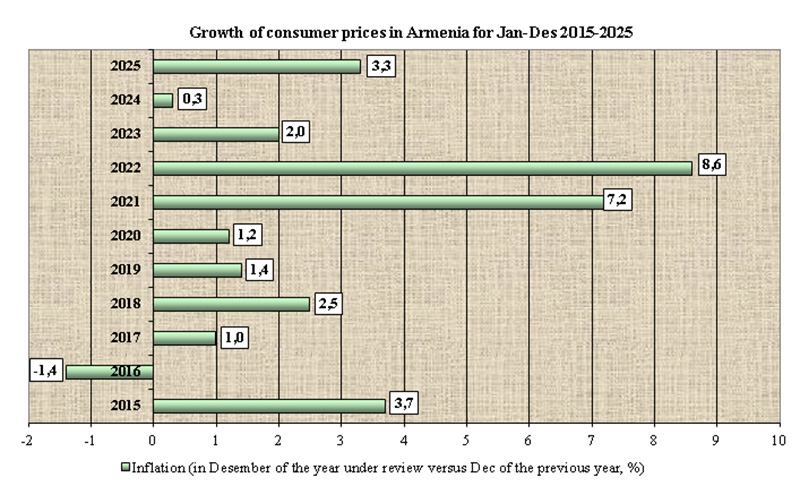
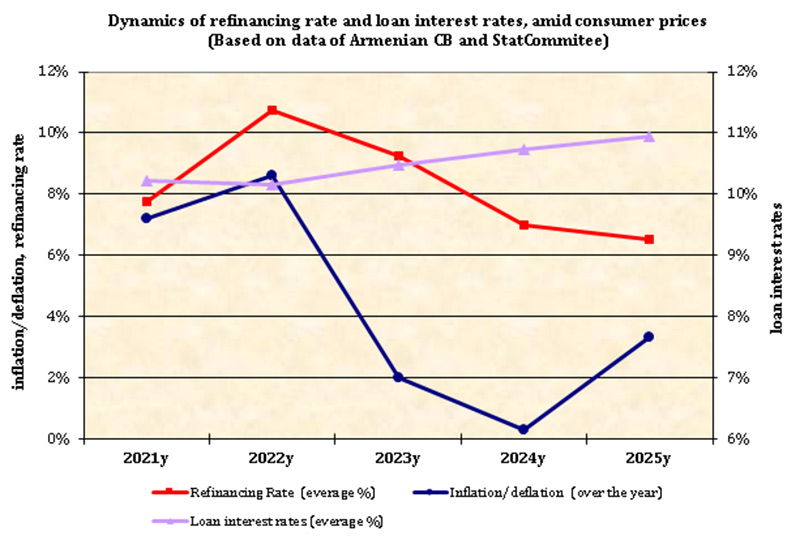
According to Andreasyan, today the Central Bank is solving a short-term problem by keeping inflation at a relatively low level in Armenia. But further, as the expert noted, the situation will worsen, and inflation may reach double-digit rates. If now the Regulator is faced with the task of not allowing the price of flour and sunflower oil to rise, then tomorrow such a policy is fraught with a significant increase in the risks of exporters, developers, manufacturers who are already suffering losses and will be forced to cut back and go bankrupt. <There will be unemployment, there will be a shortage of goods. And with a deficit, everyone knows that hyperinflation should be expected>, he stressed.
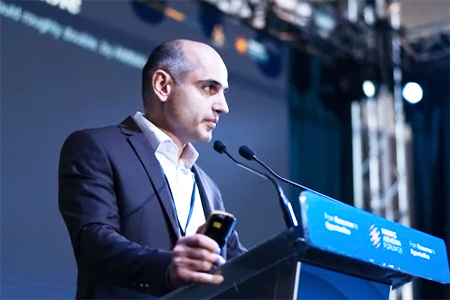
In turn, Tiran Harutyunyan, a member of the Council of the Association of the Armenian Developers, added that developers are in a difficult situation today, since, on the one hand, transactions are indexed in dollars, which creates certain difficulties, and on the other hand, the volume and cost of construction have increased. And so many developers, he said, had financial problems.
"We do not understand what kind of monetary policy the Central Bank is pursuing if we are not able to forecast the future, if there is a serious lack of tools to manage future risks. And therefore we see great risks in the current situation", he said.
Answering a question from an ArmInfo correspondent, Harutyunyan noted that he would like to see steps from the side of the Central Bank towards resolving the current situation. In this regard, he called the reduction of the refinancing rate quite logical. "And secondly, it is necessary to create a deficit of the dollar, to restore those currency funds that we used when we had stressful situations associated with an increase in the volume of the dollar," he said.
At the same time, a representative of the Association of Developers noted that the organization tried to talk with the Central Bank, but it was impossible to enter into a normal dialogue, since everyone had their own position, their own truth, which did not make things easier in any way.
"Tomorrow, if our economy cannot be activated, cannot produce for export, cannot sell its products, then the margin of imported products will increase from 10-15% to 35-45%, because there will be no replacement for local products," he said.
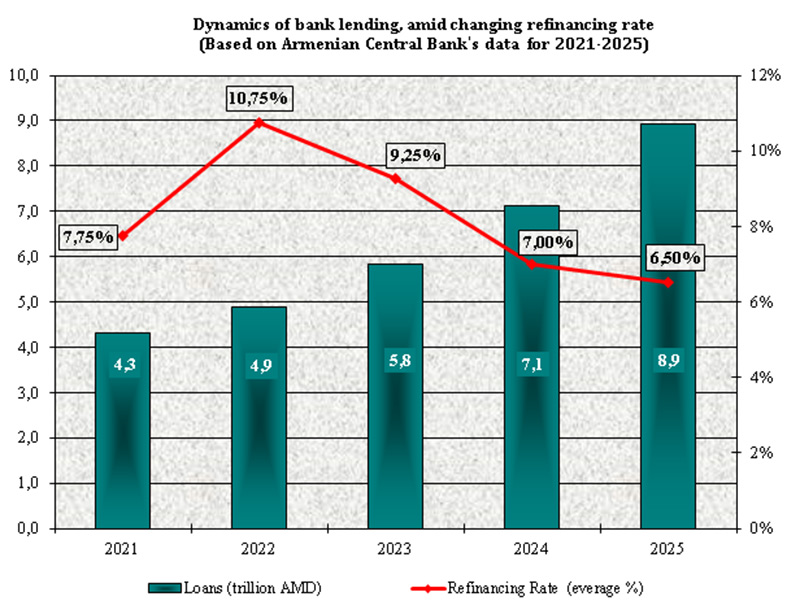
Since January 2021, the Central Bank of Armenia has gradually increased the refinancing rate from 5.25%, bringing it to the current level of 9.25%.
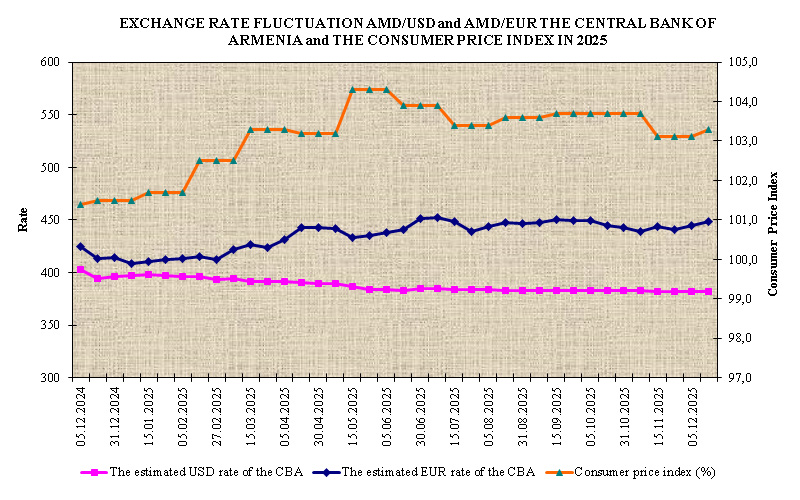
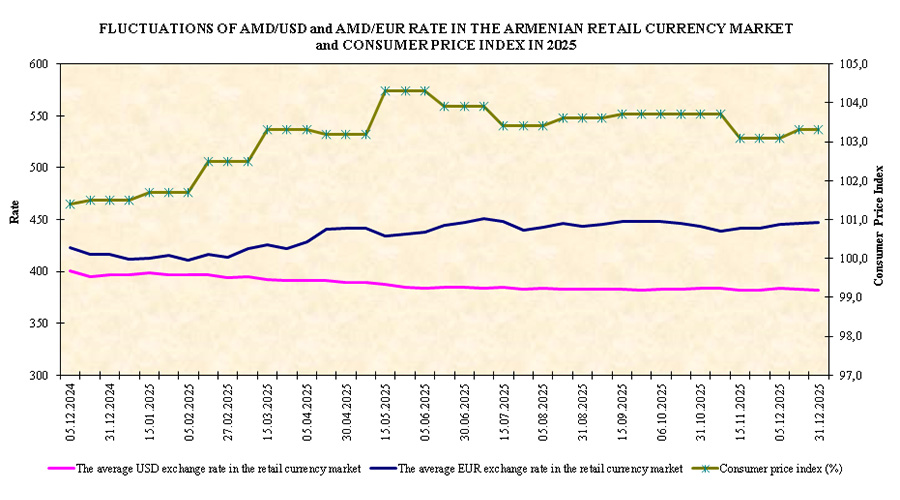
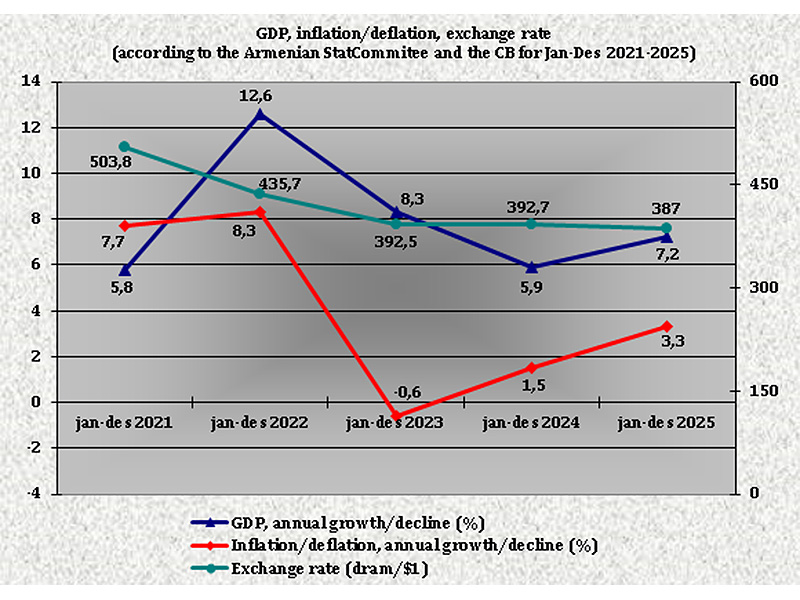
It should be noted that in the foreign exchange retail market of Armenia from October 2021 to June 22, 2022, the dram revalued against the dollar by 14% (from 485 AMD/$1 on average), against the euro - by 22% (from 563 AMD/1EUR on average), while devaluing against the ruble by 6% (from 6.7 AMD/1RUB on average). It is appropriate to note that the unprecedented western sanctions imposed on Russia account for the highly volatile market since this March. In particular, this year, from February 24 to June 22, in the retail currency market of Armenia, the dram devalued against the Russian ruble by 19% - to 7.1 AMD/1RUB on average. At the same time, during this period, the dram revalued both against the US dollar - by 13% to 417 AMDs / $ 1, and against the euro - by 19% to 439.5 AMD / 1 EUR.
Head of the Central Bank of Armenia Martin Galstyan, in response to calls for the need to artificially enter the market, devaluing the existing exchange rate by the Regulator, which may help a certain segment of the business - exporters - he drew attention to the fact that as a result, the general public will pay for such actions. "If we go against our mandate, artificially devalue the dram, then we will face a new wave of inflation which will affect everyone," the head of the Central Bank said. In the current conditions, he noted the importance of the state's sectoral policy, on the basis of which the most affected sectors that have lost their competitiveness will receive assistance from the state in the form of additional subsidies, tax cuts, etc. Earlier, Armenian entrepreneurs issued a statement in which they indicated that the exporters of agricultural products, beverages, as well as the tourism sector, the IT sector and developers, suffered the most from the strengthening of the national currency.
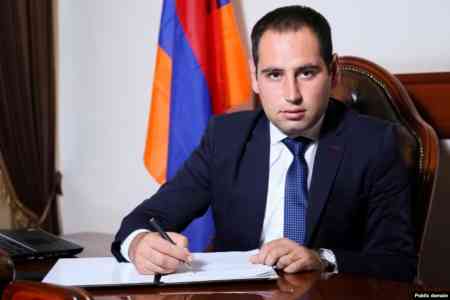
Giving an assessment of the policy of the Central Bank in the current realities, the official noted: "We live in a non-trivial time, and as of today it is necessary to use all the tools so that the economy reaches high growth rates." At the same time, he pointed to the large amount of work that the Ministry of Economy is doing to share control over inflation with the Central Bank, in particular, through subsidizing the import of various goods and activities. In this regard, he recalled his experience as the head of a supermarket chain in the early 2000s, when a sharp revaluation of the dram was registered on the market. "I witnessed how our producers and exporters suffered during this period, how locally produced products on store shelves were replaced by goods from Russia, Ukraine, Turkey, etc.," he said. Consequently, Kerobyan stated that as long as he holds the post of Minister of Economy, he cannot allow the repetition of past scenarios, referring in this context to the industrial development policy adopted by the government.
So far, the government has not taken any tangible steps in this direction.