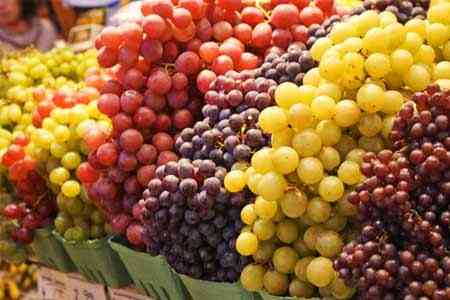
ArmInfo. In 2024, Armenia exported 144 thousand tons of fresh vegetables and fruits, which is 11 thousand tons or 8.3% more than in 2023. This was stated in an interview with the Public Television of Armenia by Deputy Minister of Economy in charge of the agricultural sector Arman Khojoyan.
According to him, growth was also registered in 2024 in the export of agricultural products - by 14%. Khojoyan noted that a similar growth was also registered in value terms. At the same time, the export of dried fruits decreased by 25% in quantitative terms, but in value terms, an increase of 60% was registered. , - said the deputy head of the department.
Without specifying the volume, Khodzhoyan noted that a decline was also observed in the export of cognac spirits - by 4%, but the supply of bottled cognac increased by 6% over the year.
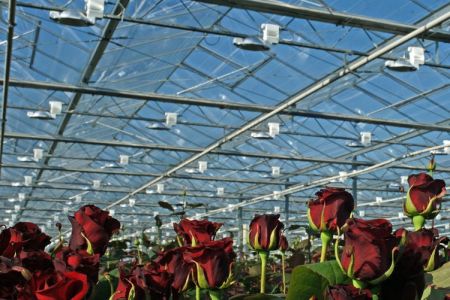
At the same time, as the Deputy Minister further said, during the reporting period, Armenia managed to increase flower exports by 48 times. Thus, according to him, 565 tons of flowers were exported from Armenia to foreign markets in 2024, compared to 11.4 tons of flowers in 2023.
Citing statistical data, Khojoyan noted that the Armenian agricultural sector demonstrated growth of 1.6% per annum, taking into account fish farming, the growth was 1.9%. Gross agricultural output, including fish farming, exceeded 1 trillion drams.
Despite the registered indicators, he drew attention to the fact that agriculture faces a number of challenges, primarily related to climate change. And this, as the Deputy Minister further noted, brings with it new diseases, activation of pests, which indicates the need for approaches from farmers. He also pointed out the lack of natural resources, including water and land. Speaking about the soil, Khojoyan added that farmers in Armenia mainly use chemical fertilizers, which not only reduces the quality of the soil, but also negatively affects crop yields.