ArmInfo. The Armenian authorities want to introduce a mechanism by which financial institutions will be able to exercise their right to collateral in the event of default on credit obligations by an unregistered private entrepreneur or legal entity from Nagorno- Karabakh. At the plenary session of the National Assembly of the Republic of Armenia on March 25, amendments to the Civil Code and the law "On state registration of legal entities, state registration of separate divisions, institutions of legal entities and individual entrepreneurs" are being discussed in the first reading.
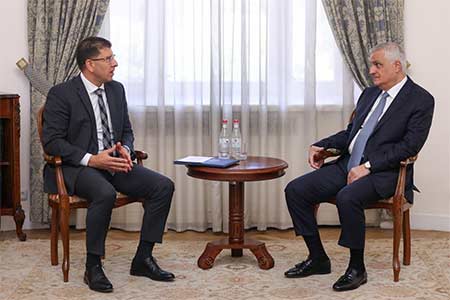
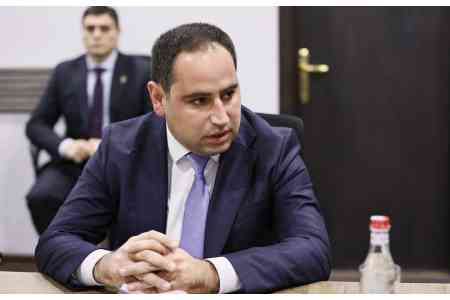
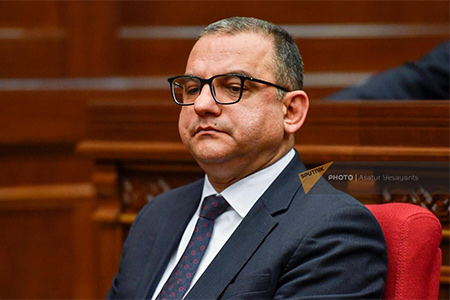
Armen Nurbekyan, Deputy Chairman of the Central Bank of the Republic of Armenia, who presented the amendments, noted that in November 2023, entrepreneurs from Nagorno-Karabakh were given until December 1, 2024 to register their business in Armenia. Given the expiration of this deadline, it became necessary to resolve this issue. "Today we already know exactly which companies decided to register, and we have a list of those who did not want to do so. Since there are companies that have not registered in Armenia, but have current credit obligations, then the collateral for these obligations has become the pledges of third parties - citizens of Armenia or legal entities of the republic," the deputy head of the Central Bank noted.
He explained that the basis for cancellation of collateral is being adjusted in the Civil Code by introducing a clause according to which private entrepreneurs or legal entities from Artsakh who have not received state registration or have not registered and who have current obligations on loans secured by real estate in Armenia belonging to a third party, but who do not fulfill these obligations, retain the right of ownership of this (pledged) property for the third party. The only exceptions are cases when these obligations, with the consent of the borrower, were partially restored or compensated for by the allocated state financial assistance.
In total, according to him, we are talking about 30-40 loans to large companies from Artsakh for 27 billion drams. "We have reason to believe that these entrepreneurs do not register in the Republic of Armenia in order not to fulfill their loan obligations," he noted.
Nurbekyan said that in this situation a legal case arises in terms of the implementation of the requirement regarding the collateral by the financial organization. It was precisely to solve this problem that legislative changes were initiated in the Civil Code of the Republic of Armenia regarding the grounds for the cancellation of the collateral.
"We are introducing legal clarifications so that banks and financial organizations, as well as the government, since the authorities have taken on a certain amount of loans from citizens of Artsakh, can exercise their rights regarding the collateral," Nurbekyan said.