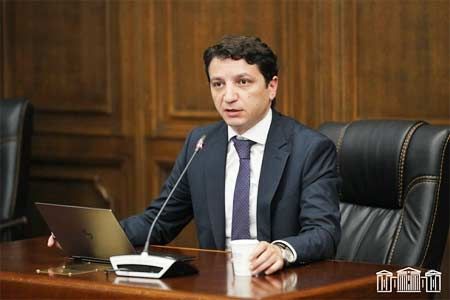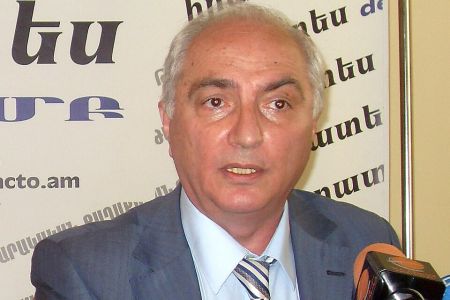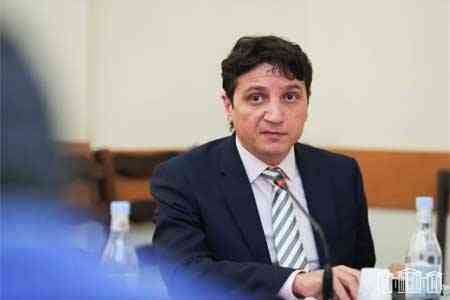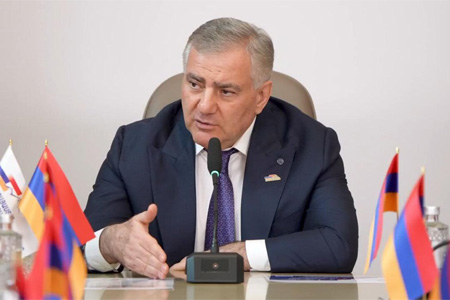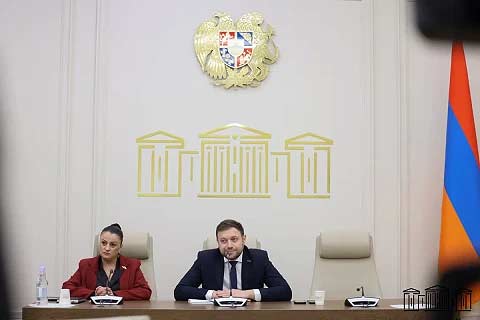


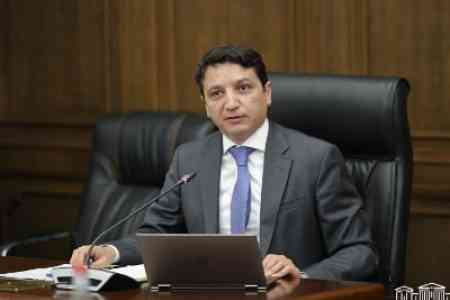
ArmInfo. Armenia's medium-term expenditure program has been extended from three years to five. This was announced by RA Minister of Finance Vahe Hovhannisyan on October 27 during the presentation of the draft 2026 state budget to the National Assembly committees.
According to him, provisions concerning individual expenditures have been removed from the medium-term expenditure program. The new version of the program presents a policy for the areas of activity and restrictions of each individual department. "What is significant in this matter, in addition to the fact that the medium-term expenditure program has been extended, is that the document was approved earlier than in previous years. Previously, the program was approved in early July, but now it came into effect in early June. Next year, we plan to complete this process in May. This is very important because it will give us more time to develop the draft state budget and to more thoroughly discuss the basic indicators of the country's fundamental economic law and its specifics," the minister said. He added that another significant change in the development of the draft state budget is that it is now oriented toward a three-year period. The draft itself is designed for one year, but its expenditures will be spread over three years. Last year, for the first time, a macroeconomic and fiscal policy framework was also presented along with the draft state budget. The structure of the state budget has also changed; it is compiled based on the revenues and expenditures of each department individually.
Hovhannisyan emphasized that the three-year expenditure forecast is necessary to plan for the numerous obligations of the RA government starting in 2026. He noted that, in accordance with the adopted monetary policy, the state budget deficit is planned to be reduced to 2.8% of the country's GDP by 2028.
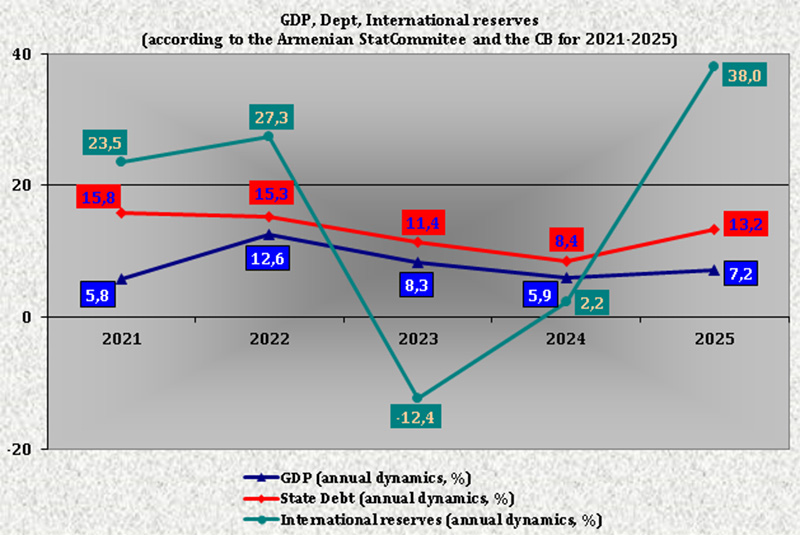
Currently, this figure stands at 5.5%. This measure, the minister emphasized, is intended to address the issue of nominal servicing of the public debt and an attempt to prevent its growth, while simultaneously ensuring a smooth process of increasing investment in the country's economy and human capital. Given the projected exchange rate of the Armenian dram, the public debt to GDP ratio of Armenia will stabilize within 50%-60% in the medium term. Next year, the government projects this figure to be 54%, with a downward trend in subsequent years.
The executive branch will be guided by two main instruments in managing risks: continuing to build macro reserves, which essentially attempt to mitigate negative shocks to the economy caused by shortfalls in tax revenues, and maintaining a constant 1% of GDP reserve in the state treasury, which can be used should fiscal risks arise.
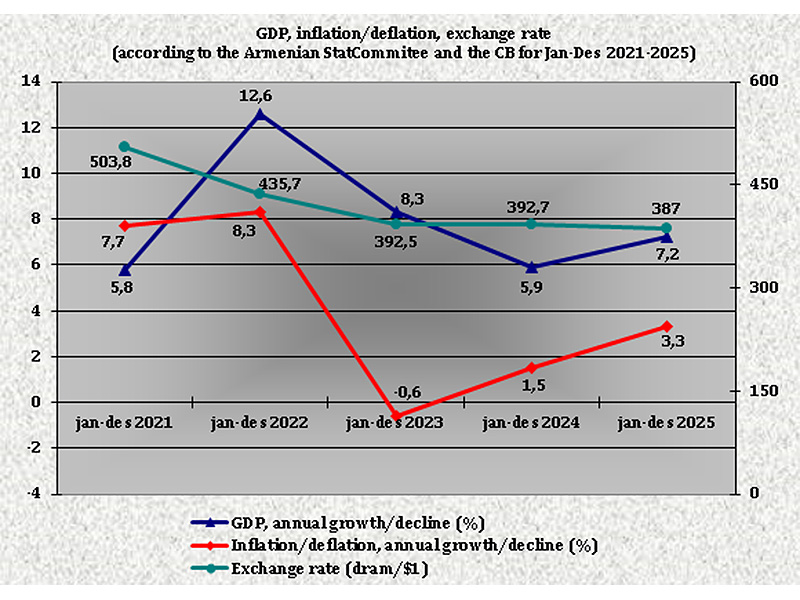
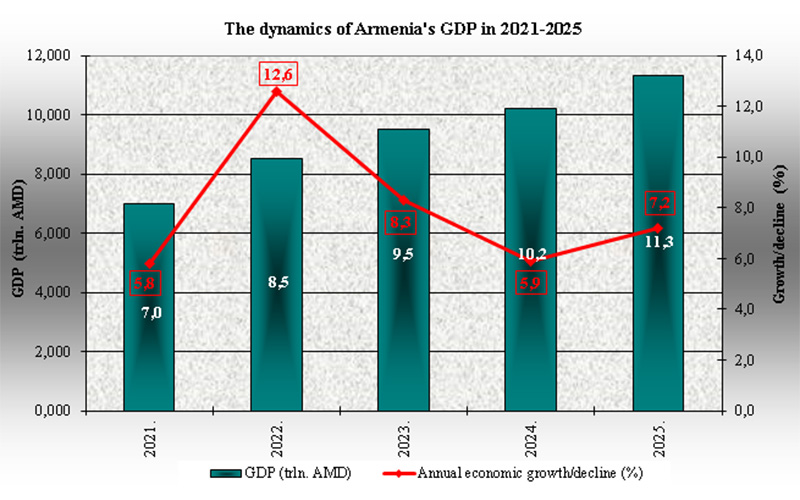
According to the draft state budget of the Republic of Armenia for 2026, GDP growth is projected at 5.4%. The GDP deflator is expected to be 3%. Planned state budget revenues will amount to 3 trillion 91 billion drams, of which 2 trillion 972 billion drams will be tax revenues.