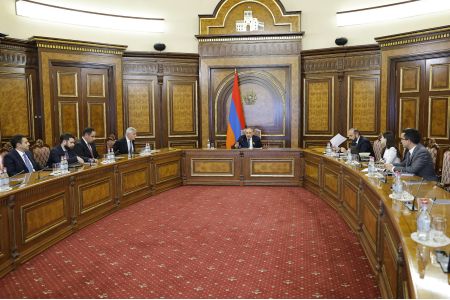
ArmInfo. The Armenian Ministry of Finance proposes establishing tax incentives for state-funded programs to compensate for expenses incurred. The draft law amending the Armenian Tax Code was approved on October 30 at a regular government meeting.
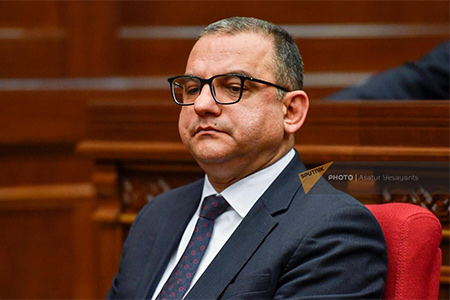
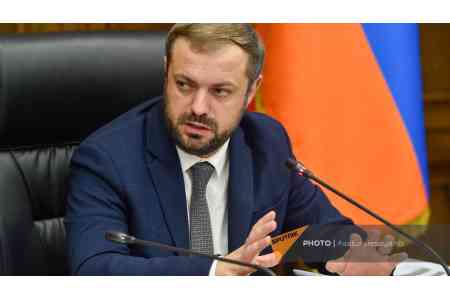
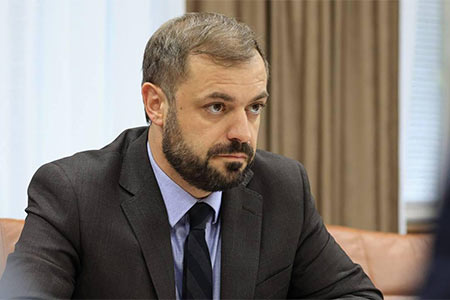
As Finance Minister Vahe Hovhannisyan explained, currently, targeted funds received under state programs as compensation for expenses already incurred or losses incurred are considered income in the tax year in which they are received.
The problem is that support amounts under state programs are provided to business entities contingent on the relevant expenses being incurred, as compensation for expenses incurred, in order to prevent potential abuse. However, the allocation of funds under this scheme entails the consequences of income taxation for income taxpayers who received state support in accordance with the above-mentioned procedure determined by tax legislation, which, in the opinion of the Ministry of Finance, is unjustified, especially for income taxpayers engaged in the production of agricultural products, given that income from the sale of agricultural products is exempt from income tax.
Moreover, according to Part 1 of Article 126 of the Tax Code of the Republic of Armenia, until 2026, income taxpayers engaged in the production of agricultural products are exempt from paying income tax on income from the sale of agricultural products, as well as on other income from the sale of other assets, starting from December 31, 2019, if the share of income from the sale of other assets and other income in the gross income of the relevant tax year does not exceed 10%. The problem is that if the amounts of loans (leasing) attracted by business entities in the field of agriculture within the framework of state-funded programs, and the interest accrued on them, are subsidized by the state, then the subsidized amounts are income, and if they exceed 10% of gross income, the latter may be obliged to pay income tax, which, in our opinion, is not justified, given the above. The draft proposes, regardless of the sphere of activity, to establish that targeted funds received by income taxpayers as reimbursement for expenses already incurred on assets acquired, constructed, created, or developed under state programs are recognized as income in the tax year in which the acquired, constructed, created, or developed assets are recognized as an expense or loss, regardless of the circumstances under which such expense or loss is reduced from gross income.
Furthermore, the draft proposes to establish that, for the purposes of determining the taxable base for income tax, the amounts of subsidies for loans (leasing) and accrued interest received under state programs to support the agro-industrial complex are not considered income for income taxpayers, and the amounts of subsidies for loans (leasing) and accrued interest are not considered expenses.
The draft also proposes establishing that the proposed provisions will apply to relationships arising after January 1, 2024, given that the existing problem has been particularly evident since 2024 within the framework of state programs, in terms of targeted funds received as compensation for expenses already incurred or losses incurred, the document's explanatory note states.
For those who have already paid their income tax for 2024, a recalculation may be required, stated Vahe Hovhannisyan.