

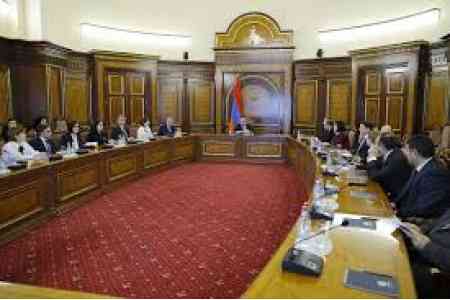
ArmInfo. Armenian authorities intend to grant an amnesty to individual taxi drivers who, between 2015 and 2019, were required to obtain a license and pay the corresponding state fee, but failed to do so. At its November 26 meeting, the National Assembly's Committee on Economic Affairs approved the amendments to the Law "On State Fee" submitted by the government for the second reading.
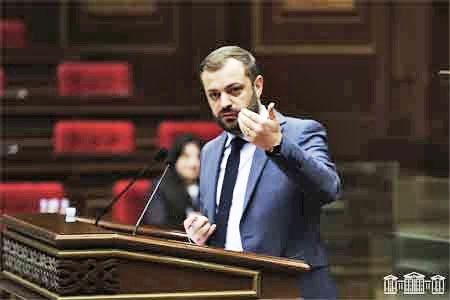
As Armen Simonyan, Deputy Minister of Territorial Administration and Infrastructure of the Republic of Armenia, noted in his speech, the document had not undergone any changes for the second reading. According to the bill, the drivers provided passenger transportation services using their personal vehicles and were subject to licensing under the then-current Law "On State Fee." Although the law's provisions have since been repealed, the activity itself remained subject to licensing, and many drivers have accumulated significant debts to the state over the years. During the specified period, nearly 11,000 people received licenses, of which more than 5,000 defaulted on their duty payments. The total debt exceeded 1.3 billion drams, including 927 million drams in principal debt and 415 million drams in fines and penalties. Meanwhile, a new regulation for taxi drivers has been in effect in Armenia since September 1, 2024, requiring registration and tax reporting through electronic platforms. According to official statistics, over 90% of all taxi orders in the country are currently processed through digital apps. From September 2024 to the end of 2025 alone, drivers connected to such platforms contributed 330 million drams in state duties to the budget. In fact, almost all drivers-including those working outside of platforms-return to them periodically for orders. This ensures coverage of almost the entire sector and makes paying the duty virtually inevitable. The authorities note that with the transition to a digital payment model, the share of the fee in the price of each trip will reach 5% by 2026.
Taking these changes into account, the government decided to write off accumulated license debt, emphasizing that these amounts were not included in the expected state budget revenues. In doing so, the authorities aim to close the door on outdated regulation of the industry and move to a more "transparent and modern model."