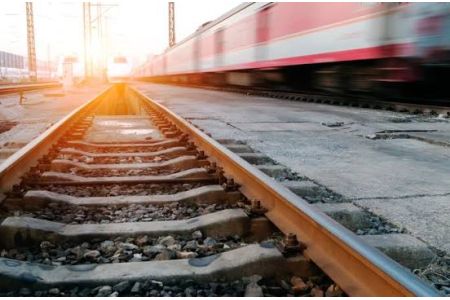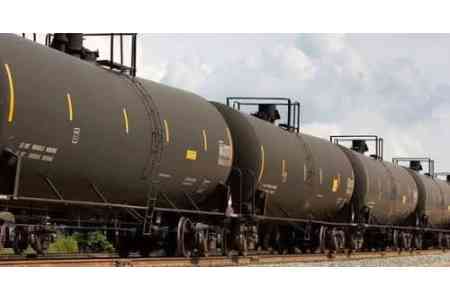
ArmInfo. A train loaded with petroleum products has arrived in Armenia from Azerbaijan via Georgia. "The peace between Armenia and Azerbaijan, established by the agreements reached in Washington, is yielding further results in the promotion of economic cooperation," the Armenian Cabinet press service noted, sharing the information.
It is noted that On November 28, during the meeting of the Deputy Prime Ministers of the two countries, Mher Grigoryan and Shahin Mustafayev, in Gabala, an agreement was reached, according to which 22 wagons of gasoline will be supplied to Armenia.
."This initiative is also particularly important in the context of strengthening mutual trust between the two countries and promoting the peace agenda," the Armenian government concluded.
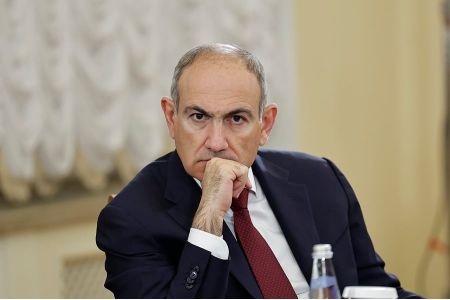
The day before, Azerbaijani media reported that the first shipment of SOCAR petroleum products (22 railcars of AI-95 gasoline, weighing a total of 1,300 tons) would depart from Azerbaijan for Armenia that same day. It was noted that the export was purely commercial in nature and would be sold at prices in line with international market prices. Prime Minister Nikol Pashinyan confirmed this at a briefing that afternoon, noting that the peace established between Armenia and Azerbaijan had created the political conditions for this trade. Speaking about the possibility of continuing cooperation with Azerbaijan in that particular area, the prime minister noted certain issues related to transit tariffs through Georgian territory, expressing hope that the issues would be resolved.
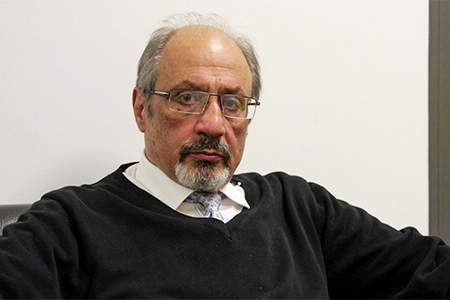
Meanwhile, the news has provoked a mixed reaction in Armenia. Many experts are stating that by purchasing Azerbaijani goods, Armenia is financing the economy of the country, with which Armenia has no diplomatic relations and which is still an openly hostile state. "The fact that there is currently no discussion at state level about which countries should encourage imports and which should restrict or hinder them is evidence not of 'market freedom', but of opportunistic economic behavior. Or, more precisely, it is indicative of the absence of economic policy. Or, more precisely, it is indicative of the absence of economic policy. When the state fails to define the framework of its national economic interests, the market itself begins to act, driven by short-term profit. And short-term profit never builds security, sovereignty, or long-term development," David Ananyan, former head of the State Revenue Committee, former Deputy Minister of Finance of Armenia, economist, and member of the Wings of Unity political initiative, said.